
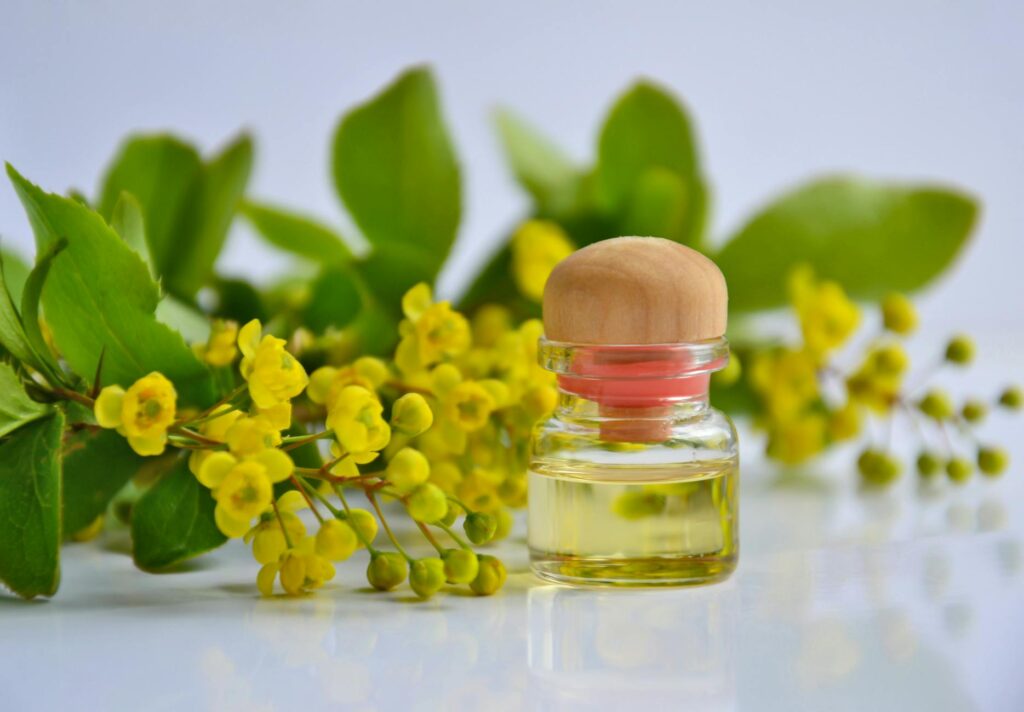
How to Use Elderflower Syrup Extract
Introduction
Elderflower syrup extract, derived from the blossoms of the elder tree (Sambucus nigra), has been cherished for centuries for its delicate floral flavor and potential health benefits. This versatile extract has found its way into culinary, cosmetic, and wellness applications, making it a staple in various cultures. In this article, we will explore the essence of elderflower syrup extract, its benefits, common uses, and safety considerations.
What Is Elderflower Syrup Extract?
Elderflower syrup extract is a concentrated liquid made from the flowers of the elder tree. The process typically involves steeping fresh elderflowers in water and sugar, allowing the natural flavors and properties of the flowers to infuse into the syrup. The resulting extract is fragrant, sweet, and rich in flavor, often characterized by its light, floral notes.
Elderflowers bloom in late spring and early summer, presenting creamy white clusters that are not only visually stunning but also aromatic. The elder tree, native to Europe and parts of North America, has been historically valued for its culinary and medicinal applications.
Key Benefits and Properties
Elderflower syrup extract is renowned for its delightful flavor profile and potential wellness properties. While research is ongoing, some of the notable benefits associated with elderflower include:
Antioxidant Properties
Elderflowers are rich in antioxidants, which help combat oxidative stress and protect the body from free radicals. Antioxidants play a crucial role in overall health, supporting the immune system and reducing inflammation.
Hydration
The syrup can act as a refreshing drink when mixed with water, providing hydration while offering a pleasant taste. This makes it popular in summer beverages.
Flavor Enhancement
Elderflower syrup extract is often used to enhance the flavor of various dishes and drinks, adding a unique floral note that can elevate the overall taste experience.
Digestive Support
Traditionally, elderflower has been used to support digestive health. While more research is needed, many cultures incorporate elderflower into teas or elixirs for this purpose.
Common Uses
Elderflower syrup extract is versatile and can be used in numerous ways, including:
Culinary Applications
1. Beverages: Elderflower cordial is a popular drink, often mixed with sparkling water for a refreshing summer beverage. It can also serve as a base for cocktails, adding a floral touch to drinks like gin and tonic or champagne.
2. Desserts: The syrup can be drizzled over desserts such as ice cream, pancakes, or cakes. It pairs well with fruits, enhancing the natural sweetness and adding complexity.
3. Salad Dressings: A few drops of elderflower syrup can elevate salad dressings, providing a unique flavor that complements fresh greens and fruits.
4. Jams and Preserves: Elderflower syrup can serve as a sweetener for jams and preserves, adding an aromatic twist to homemade spreads.
Cosmetic Uses
Elderflower extract is often incorporated into skincare products due to its gentle, soothing properties. It can be found in lotions, creams, and toners, providing hydration and a refreshing scent.
Household Applications
The floral scent of elderflower makes it a delightful addition to homemade potpourri and natural air fresheners, contributing to a calming atmosphere in indoor spaces.
Aromatherapy Applications
In aromatherapy, elderflower syrup extract is not commonly used in its syrup form; however, elderflower essential oil or hydrosol (a byproduct of distillation) may be utilized for their aromatic properties. The delicate floral scent is believed to have a calming effect, promoting relaxation and emotional well-being.
Usage in Diffusers
Elderflower hydrosol can be added to diffusers to create a soothing ambiance in your home. Combining it with other essential oils like lavender or chamomile may enhance its calming effects.
Bath Additives
Adding elderflower extract to bathwater can provide a fragrant and relaxing experience, promoting a sense of tranquility and well-being.
Safety Considerations
While elderflower syrup extract is generally safe for culinary use, there are a few considerations to keep in mind:
Allergies
Individuals with known allergies to plants in the Adoxaceae family should exercise caution when using elderflower syrup extract. Always perform a patch test if using it in cosmetics.
Sugar Content
Elderflower syrup is typically high in sugar due to the syrup-making process. Those monitoring their sugar intake should be mindful of portion sizes.
Pregnancy and Breastfeeding
Pregnant or breastfeeding individuals should consult with a healthcare professional before incorporating elderflower syrup extract into their diets, as definitive studies on its safety during these periods are limited.
Storage and Shelf Life
To maintain the quality of elderflower syrup extract, proper storage is essential:
Storage
- Cool, Dark Place: Store the syrup in a cool, dark place away from direct sunlight. A pantry or cupboard is ideal.
- Refrigeration: For prolonged freshness, consider refrigerating the syrup after opening. This can help to extend its shelf life.
Shelf Life
Homemade elderflower syrup typically lasts for about 1 to 2 weeks when stored in the refrigerator. Commercially produced syrups may have preservatives, extending their shelf life to several months. Always check for signs of spoilage, such as changes in color, odor, or texture, before use.
Frequently Asked Questions
1. Can I make elderflower syrup at home?
Yes, making elderflower syrup at home is a popular practice. You will need fresh elderflowers, sugar, and water. Various recipes are available online that guide you through the process of making this delightful extract.
2. Is elderflower syrup safe for children?
Elderflower syrup is generally safe for children, but it is advisable to consult a healthcare professional before introducing any new food or beverage into a child’s diet, especially if they have allergies.
3. Can elderflower syrup be used in baking?
Absolutely! Elderflower syrup can be used in baking to add a unique floral flavor to cakes, muffins, and pastries. It can also be used to glaze baked goods for added sweetness.
4. How do I incorporate elderflower syrup into my beverages?
Elderflower syrup can be mixed with water, sparkling water, or used as a sweetener in cocktails and teas. Start with a small amount and adjust to taste.
5. What is the difference between elderflower syrup and elderflower cordial?
While the terms are often used interchangeably, elderflower cordial is usually a non-alcoholic beverage made with elderflower syrup, water, and often lemon juice. Elderflower syrup is the concentrated sweetened extract itself.
Conclusion
Elderflower syrup extract is a delightful and versatile addition to both culinary and wellness practices. With its fragrant aroma and potential benefits, it can enhance various dishes and contribute to a calming atmosphere in your home. As with any ingredient, understanding its properties, uses, and safety considerations can help you make the most of this unique floral extract. Whether enjoyed in a refreshing drink or incorporated into a skincare routine, elderflower syrup extract is a wonderful representation of nature’s bounty.