
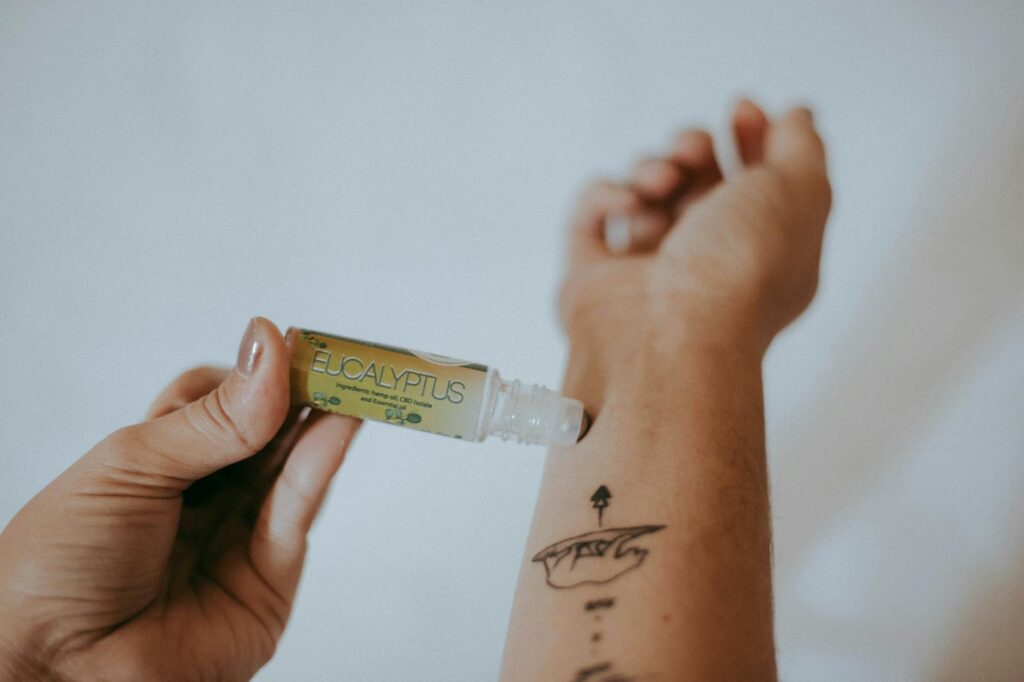
How to Use Enfleurage Oils
Introduction
Enfleurage, a traditional method of extracting essential oils, is rooted in history and offers unique characteristics that set it apart from more common extraction techniques like steam distillation or cold pressing. This article serves as a comprehensive guide to understanding enfleurage oils, their properties, uses, and safety considerations, providing you with the knowledge to incorporate these exquisite oils into your daily life.
What Is Enfleurage Oils?
Enfleurage is an ancient extraction method that captures the essence of flowers and plant materials through a process that employs fats or oils. Historically prevalent in France, particularly in Grasse, enfleurage was used primarily for delicate flowers that could not withstand the heat of steam distillation.
The Enfleurage Process
The enfleurage process involves two main types: cold enfleurage and hot enfleurage.
1. Cold Enfleurage: Fresh flowers are placed on a layer of fat, such as solidified coconut oil or animal fat, allowing the fragrance to seep into the fat over time. The process can take several days to weeks, after which the flowers are removed, and the fat is heated gently to extract the essential oil.
2. Hot Enfleurage: This method uses heat to enhance the extraction process. The flowers are placed in warm fat, which helps to release the essential oils more quickly. After a period, the mixture is cooled, and the oil is separated from the fat.
The end product, enfleurage oil, often retains a more complex and nuanced aroma compared to oils extracted through other methods.
Key Benefits and Properties
Enfleurage oils are celebrated for their rich and intricate fragrances, which can evoke a sense of nostalgia and emotional well-being. Some key benefits and properties include:
- Complex Aromatic Profiles: Enfleurage oils often possess a wider range of aromatic compounds due to the gentle extraction process. This allows for a more authentic representation of the plant’s natural scent.
- Natural Composition: Since the enfleurage method relies on fats or oils, the resulting product is free from synthetic additives or harsh chemicals, making it suitable for various applications.
- Emotional Benefits: The aromatic compounds found in enfleurage oils can evoke emotional responses, making them useful in practices such as aromatherapy and meditation.
- Cool, Dark Place: Store enfleurage oils in a cool, dark area away from direct sunlight to prevent degradation.
- Tightly Sealed Containers: Use glass containers with airtight seals to minimize exposure to air, which can lead to oxidation.
- Labeling: Clearly label each bottle with the date of extraction and type of oil for easy reference.
Common Uses
Enfleurage oils can be utilized in various ways, each taking advantage of their unique properties. Here are some common applications:
1. Perfume Making: The rich and complex scents of enfleurage oils make them ideal for crafting high-quality perfumes. They can serve as base notes or heart notes in fragrance formulations.
2. Cosmetic Products: Due to their natural composition, enfleurage oils are often used in skincare products, such as lotions, creams, and balms. They can enhance the sensory experience of these products while providing a subtle fragrance.
3. Home Fragrance: Enfleurage oils can be used in diffusers, oil burners, or simply added to potpourri to create a pleasing ambiance in living spaces.
4. Massage Oils: When diluted with a carrier oil, enfleurage oils can be used in massage therapies, providing both aromatic pleasure and skin benefits.
Aromatherapy Applications
In the realm of aromatherapy, enfleurage oils can play a significant role due to their emotional and psychological benefits. Here are some ways to incorporate them:
Diffusion
Using an essential oil diffuser, enfleurage oils can be dispersed into the air, allowing their aromatic properties to permeate a space. This method can promote relaxation, uplift mood, or energize the environment, depending on the oil used.
Inhalation
A quick and effective way to experience the benefits of enfleurage oils is through inhalation. Placing a few drops on a tissue or cotton ball and inhaling deeply can provide an instant aromatic experience.
Bathing
Adding enfleurage oils to bathwater can create a luxurious and calming experience. It is advisable to dilute the oil with a carrier oil or an emulsifier to ensure even distribution in water.
Massage
When combined with a carrier oil, enfleurage oils can enhance the benefits of massage. The soothing effects of the massage combined with the aromatic properties can create a holistic experience.
Safety Considerations
While enfleurage oils are generally considered safe, it is essential to follow certain guidelines:
1. Patch Test: Before applying any enfleurage oil to the skin, perform a patch test to check for potential allergic reactions or sensitivities.
2. Dilution: Always dilute enfleurage oils with a carrier oil before applying them to the skin to reduce the risk of irritation.
3. Quality Sources: Ensure that you source enfleurage oils from reputable suppliers to avoid adulterated or low-quality products.
4. Consultation: If you are pregnant, nursing, or have specific health conditions, consult a qualified professional before using enfleurage oils in your routine.
Storage and Shelf Life
To maintain the quality and longevity of enfleurage oils, proper storage is essential:
Shelf Life
The shelf life of enfleurage oils can vary based on the type of oil and storage conditions. Generally, enfleurage oils can last between 1 to 3 years if stored correctly. However, always check for signs of rancidity or changes in aroma before use.
Frequently Asked Questions
1. What types of flowers are commonly used for enfleurage?
Common flowers used for enfleurage include jasmine, tuberose, and orange blossom. These flowers are known for their delicate scents that can be difficult to extract through other methods.
2. Can enfleurage oils be mixed with other essential oils?
Yes, enfleurage oils can be blended with other essential oils or carrier oils to create customized aromatic experiences. However, ensure that the oils you are mixing are compatible.
3. Are enfleurage oils suitable for all skin types?
While many individuals can use enfleurage oils safely, it is crucial to conduct a patch test first. Some individuals may have sensitivities or allergies to specific plant materials.
4. How do enfleurage oils compare to other extraction methods?
Enfleurage oils usually have more complex and nuanced aromas compared to oils extracted via steam distillation or cold pressing. This is due to the gentle nature of the enfleurage process, which captures a wider range of aromatic compounds.
5. Can enfleurage oils be ingested?
Enfleurage oils are primarily intended for external use. Ingesting essential oils should only be done under the guidance of a qualified healthcare professional.
Conclusion
Enfleurage oils offer a unique and rich aromatic experience, making them valuable additions to perfumery, cosmetics, and aromatherapy. Understanding their properties, uses, and safety precautions allows for a thoughtful and enriching approach to incorporating these exquisite oils into your daily practices. By respecting the traditional methods of extraction and the nature of the oils, you can enjoy the benefits of enfleurage oils in a safe and meaningful manner.