
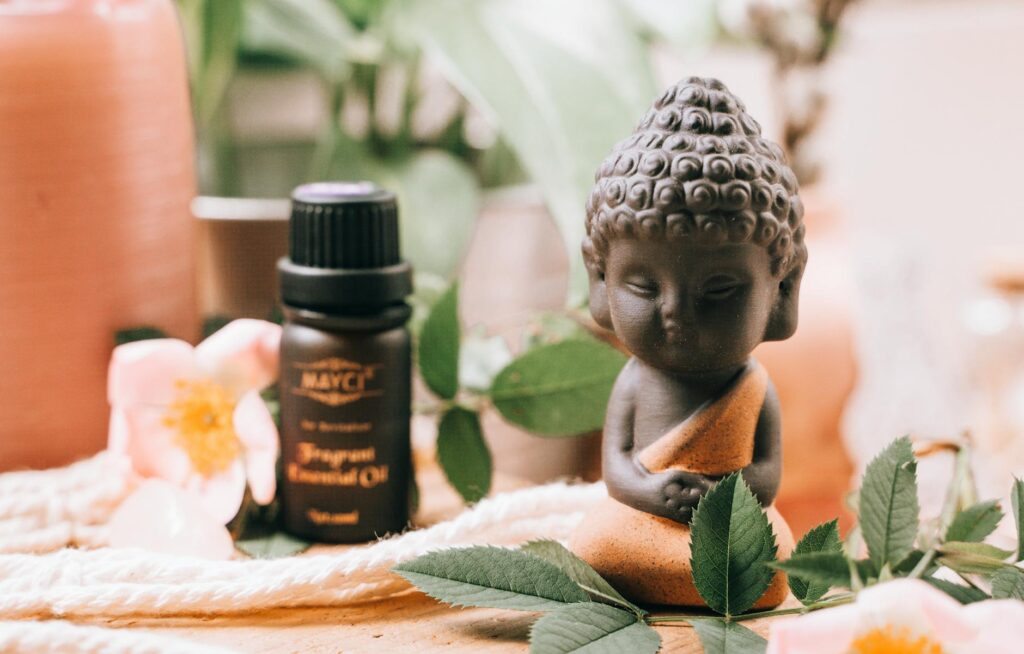
How to Use Essential Oil Blends for Calming and Soothing
Introduction
In our fast-paced world, finding moments of tranquility can be challenging. Essential oils have gained recognition as natural tools that can aid in relaxation and emotional well-being. Among these, essential oil blends specifically formulated for calming and soothing properties have become increasingly popular. This article explores what these blends are, their benefits, common uses, and practical applications in aromatherapy.
What Are Essential Oil Blends for Calming and Soothing?
Essential oil blends are combinations of various essential oils that are mixed to enhance specific therapeutic effects. When it comes to calming and soothing, these blends typically include oils known for their relaxing properties, such as lavender, chamomile, and bergamot. The synergy created by combining different oils can amplify their individual effects, resulting in a more profound calming experience.
Common Essential Oils in Calming Blends
1. Lavender (Lavandula angustifolia): Renowned for its calming scent, lavender oil is often used to reduce anxiety and improve sleep quality.
2. Bergamot (Citrus bergamia): This citrus oil is known for its uplifting yet calming aroma, making it effective in alleviating stress and enhancing mood.
3. Chamomile (Matricaria chamomilla): Often used in teas, chamomile essential oil is celebrated for its gentle sedative effects, easing tension and promoting relaxation.
4. Ylang Ylang (Cananga odorata): Known for its sweet floral scent, ylang ylang can help reduce stress and create a sense of peace.
5. Frankincense (Boswellia serrata): Often used in meditation practices, frankincense is believed to deepen relaxation and enhance spiritual awareness.
Key Benefits and Properties
The benefits of using essential oil blends for calming and soothing extend beyond mere fragrance. Each oil possesses unique properties that contribute to a sense of well-being:
- Stress Reduction: Many essential oils in calming blends have been shown to help reduce levels of cortisol, the hormone associated with stress.
- Enhanced Sleep Quality: Oils like lavender and chamomile can create a calming environment conducive to restful sleep.
- Mood Enhancement: The uplifting properties of certain oils can help combat feelings of anxiety and depression.
- Physical Relaxation: Calming essential oils may assist in relieving muscle tension and promoting overall relaxation.
- Dark Glass Bottles: Store essential oils in dark glass bottles to protect them from light, which can degrade their quality.
- Cool, Dry Place: Keep oils in a cool, dry location away from direct sunlight and heat sources.
- Shelf Life: While essential oils do not have a definitive expiration date, their potency may diminish over time. Generally, citrus oils have a shorter shelf life of about 1-2 years, while oils like sandalwood and patchouli may last longer.
Common Uses
Essential oil blends for calming and soothing can be utilized in various settings and methods. Here are some common uses:
Diffusion
Using a diffuser is one of the most popular methods for dispersing essential oils into the air. Simply add a few drops of your chosen calming blend to a diffuser filled with water. This method is effective for creating a tranquil atmosphere in homes, offices, or during meditation.
Topical Application
Essential oils can also be diluted with a carrier oil and applied directly to the skin. Common areas for application include pulse points, the back of the neck, and the wrists. Always perform a patch test to ensure no allergic reactions occur.
Bathing
Adding essential oil blends to bathwater can create a soothing experience. Mix a few drops of essential oil with a carrier oil or Epsom salt before adding it to the bathtub to help the oils disperse evenly.
Inhalation
For immediate calming effects, inhalation is a quick and effective method. Place a few drops of an essential oil blend on a tissue or cotton ball and inhale deeply. This can be particularly beneficial during stressful situations or moments of anxiety.
Aromatherapy Applications
Aromatherapy is the practice of using essential oils for therapeutic benefits. The use of calming essential oil blends can enhance various aspects of daily life:
Meditation and Mindfulness
Incorporating essential oil blends into meditation practices can deepen relaxation and enhance focus. Oils like frankincense and sandalwood are often favored for their grounding properties.
Yoga Practices
Using calming essential oils during yoga can enhance the practice’s relaxing effects. Diffusing oils or applying them topically can help to create an atmosphere conducive to mindfulness and relaxation.
Sleep Rituals
Creating a bedtime routine that includes calming essential oils can signal to the body that it is time to wind down. Diffusing lavender or chamomile oil in the bedroom can promote a restful night’s sleep.
Safety Considerations
While essential oils are natural, they must be used with caution. Here are some important safety considerations:
Dilution
Always dilute essential oils with a carrier oil before applying them to the skin to minimize the risk of irritation. Common carrier oils include jojoba, coconut, and sweet almond oil.
Patch Testing
Perform a patch test before using a new essential oil blend to ensure it does not cause an allergic reaction. Apply a small diluted amount to a discreet area of skin and wait 24 hours to observe any reactions.
Avoiding Certain Populations
Certain essential oils may not be suitable for pregnant or nursing individuals, as well as young children or those with specific health conditions. Always consult with a qualified professional if in doubt.
Quality of Essential Oils
Not all essential oils are created equal. Choose high-quality, pure essential oils from reputable sources to ensure safety and efficacy. Look for oils that are labeled as 100% pure and free from synthetic additives.
Storage and Shelf Life
Proper storage of essential oils is essential to maintain their potency and effectiveness. Here are some storage tips:
Frequently Asked Questions
Can I use essential oil blends around pets?
While some essential oils are safe for pets, others can be harmful. Always consult with a veterinarian before using essential oils in homes with animals.
How often can I use calming essential oil blends?
The frequency of use depends on individual preference and the method of application. Diffusing essential oils can be done throughout the day, while topical applications may be limited to a few times daily.
Are there any side effects associated with essential oils?
Some individuals may experience skin irritation or allergic reactions. It is essential to use diluted oils and perform patch tests before widespread use.
Can I create my own calming essential oil blend?
Yes! Experimenting with different essential oils can be enjoyable. Start by combining a few drops of your preferred oils in a carrier oil or diffuser and adjust based on your preferences.
What should I do if I accidentally ingest essential oils?
If ingestion occurs, seek medical assistance immediately. Do not induce vomiting unless directed by a healthcare professional.
Conclusion
Essential oil blends for calming and soothing offer a natural approach to enhancing relaxation and emotional well-being. By understanding their properties, applications, and safety considerations, individuals can incorporate these aromatic therapies into their daily routines. Whether through diffusion, topical application, or in a relaxing bath, the benefits of these blends can contribute to a more peaceful and harmonious life.