
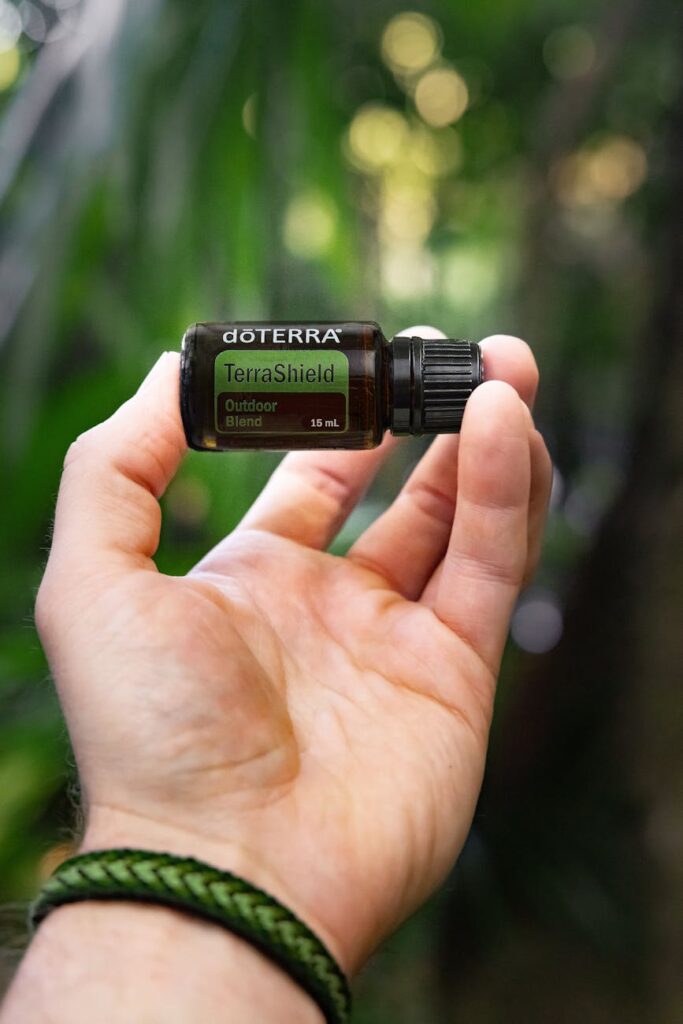
How to Use Essential Oil Blends for Detoxification and Purification
Introduction
Essential oils have gained significant popularity in recent years for their aromatic and therapeutic properties. Among the myriad of uses, essential oil blends designed for detoxification and purification stand out for their potential to support the body and mind in a holistic manner. This article aims to explore the concept of essential oil blends, their benefits, common applications, and safety considerations, providing a comprehensive guide for those interested in harnessing the power of these natural extracts.
What Are Essential Oil Blends for Detoxification and Purification?
Essential oil blends for detoxification and purification typically consist of a mixture of specific essential oils known for their cleansing and rejuvenating properties. Detoxification refers to the body’s process of eliminating toxins, while purification can denote the removal of impurities from the environment, both physical and energetic.
Commonly used essential oils in these blends include lemon, eucalyptus, tea tree, lavender, and peppermint, among others. Each oil possesses unique properties that can contribute to overall well-being. When combined thoughtfully, these oils can amplify each other’s effects, creating a synergistic blend that promotes cleansing and renewal.
Key Benefits and Properties
1. Detoxification Support
Certain essential oils are believed to stimulate liver function and enhance the body’s natural detox processes. For instance, lemon oil is often associated with detoxifying properties due to its high concentration of citric acid and antioxidants.
2. Purification of Air
Essential oil blends can help purify the air by eliminating odors and reducing airborne pathogens. Oils like tea tree and eucalyptus are known for their antimicrobial properties, making them effective in creating a clean atmosphere.
3. Emotional and Mental Clarity
The aromatic properties of essential oils can promote mental clarity and emotional balance. Scents like peppermint and lavender may help alleviate stress, allowing for a clearer mindset conducive to self-care and personal growth.
4. Skin Health
Some essential oils possess antimicrobial and anti-inflammatory properties, making them beneficial for skin health. When used in topical applications, they can aid in cleansing the skin and promoting a healthy appearance.
Common Uses
1. Diffusion
One of the most popular ways to use essential oil blends is through diffusion. By adding a few drops of the blend to a diffuser, the oils are dispersed into the air, allowing for aromatic inhalation that can purify the environment and enhance mood.
2. Topical Application
Diluting essential oils in a carrier oil can make them suitable for topical use. Common carrier oils include coconut oil, jojoba oil, and sweet almond oil. This method can be particularly beneficial for skin health and localized detoxification.
3. Bath Soaks
Adding essential oil blends to bath water can create a relaxing and detoxifying experience. The warm water helps to open pores, allowing for better absorption of the oils while providing a soothing sensory experience.
4. Cleaning Products
Essential oils can be incorporated into homemade cleaning solutions for their purifying properties. Blends can be added to vinegar or baking soda to create effective, natural cleaning agents.
Aromatherapy Applications
Aromatherapy is the practice of using essential oils for therapeutic benefit. When it comes to detoxification and purification, several methods can be employed:
1. Inhalation
Inhaling essential oils directly from the bottle or through a diffuser can promote immediate psychological effects. For instance, inhaling citrus oils may uplift mood and energize the mind.
2. Massage
Incorporating essential oil blends into massage oils can enhance relaxation while also promoting skin health and detoxification. The act of massage itself aids circulation, which may further support the removal of toxins.
3. Steam Inhalation
Adding essential oils to a bowl of hot water creates steam inhalation opportunities. Covering the head with a towel and inhaling the steam allows the oils to penetrate the respiratory system, providing both cleansing and invigorating effects.
Safety Considerations
While essential oils are natural, they are also potent and should be used with caution. Here are some important safety guidelines:
1. Dilution
Always dilute essential oils in a carrier oil before applying them to the skin. A common dilution ratio is 2-3 drops of essential oil per teaspoon of carrier oil.
2. Patch Test
Before using any new essential oil blend topically, perform a patch test to check for skin sensitivity. Apply a small diluted amount to an inconspicuous area and observe for any adverse reactions.
3. Avoiding Certain Populations
Pregnant women, nursing mothers, and individuals with specific medical conditions should exercise caution and consult a healthcare professional before using essential oils.
4. Quality of Oils
Select high-quality, pure essential oils from reputable sources. Synthetic or diluted oils may not provide the desired effects and can sometimes cause adverse reactions.
Storage and Shelf Life
To maintain the integrity of essential oil blends, proper storage is essential. Here are some tips:
1. Storage Conditions
Store essential oils in a cool, dark place away from direct sunlight and heat sources. This helps prevent oxidation and degradation.
2. Containers
Use dark glass bottles for storage, as they protect oils from light exposure. Ensure that the bottles are tightly sealed to prevent evaporation.
3. Shelf Life
Essential oils do have a shelf life, typically ranging from 1 to 3 years, depending on the type. Citrus oils tend to have a shorter shelf life compared to more stable oils like sandalwood. Regularly check for any changes in scent or appearance to determine if an oil has gone bad.
Frequently Asked Questions
1. Can I use essential oil blends for detoxification daily?
While many people incorporate essential oil blends into their daily routines, it’s essential to listen to your body and adjust usage as needed. Moderation is key.
2. Which essential oils are best for detoxification?
Commonly recommended oils for detoxification include lemon, eucalyptus, tea tree, and peppermint. Each oil has unique properties that can support different aspects of detoxification.
3. Are there any contraindications when using essential oils?
Yes, certain essential oils may not be suitable for individuals with specific health conditions, pregnant women, or those taking certain medications. Always consult with a health professional if uncertain.
4. Can essential oils replace traditional medicine?
Essential oils should not be viewed as a replacement for conventional medicine. They can complement wellness routines but should be used responsibly and in conjunction with medical advice.
Conclusion
Essential oil blends for detoxification and purification offer a natural and holistic approach to enhancing well-being. By understanding the properties, benefits, and applications of these blends, individuals can incorporate them into their daily lives for improved mental clarity, emotional balance, and environmental purity. As with any natural remedy, prioritizing safety and quality will enhance the overall experience and effectiveness of essential oils.