
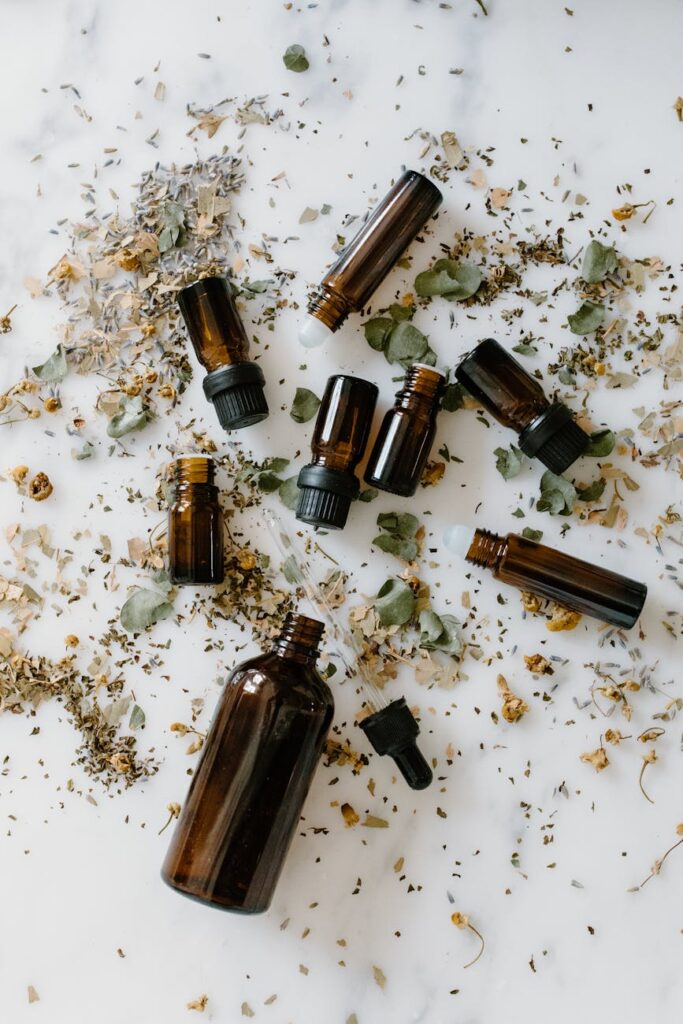
How to Use Essential Oil Blends for Grounding and Anxiety Relief
Introduction
In our fast-paced, technology-driven world, feelings of anxiety and stress have become increasingly common. Many individuals seek natural remedies to help manage these feelings, and essential oils have emerged as a popular option. Essential oil blends for grounding and anxiety relief are formulated to promote a sense of calm and stability. This article will explore what these blends are, their benefits, common uses, and how to incorporate them into your daily routine.
What Are Essential Oil Blends for Grounding and Anxiety Relief?
Essential oil blends are mixtures of plant-derived oils that capture the aromatic compounds responsible for the scents and therapeutic properties of various botanicals. Grounding blends are specifically designed to promote a sense of stability and balance, often featuring oils that are known for their calming and centering effects. Common oils used in these blends include lavender, cedarwood, frankincense, and bergamot.
Grounding essential oil blends aim to help individuals reconnect with their inner selves, reduce feelings of anxiety, and promote emotional equilibrium. The synergy created by combining multiple oils can enhance their individual effects and provide a more profound sense of relief.
Key Benefits and Properties
Essential oils possess unique properties that contribute to their effectiveness in promoting grounding and anxiety relief. Some of the key benefits include:
1. Calming Effects
Many essential oils have been shown to have calming properties. For instance, lavender is renowned for its ability to reduce stress and promote relaxation. Similarly, frankincense is known for its grounding qualities, often used in meditation practices to enhance focus.
2. Emotional Balance
Certain oils can help stabilize emotions. Bergamot, for instance, is often used to alleviate feelings of sadness and anxiety. When blended with other oils, the emotional balancing properties can be amplified.
3. Stress Reduction
Essential oils like vetiver and cedarwood contain components that may help lower cortisol levels, the hormone associated with stress. Using these oils can create a soothing environment conducive to relaxation.
4. Enhanced Mindfulness
The aromatic compounds in essential oils can evoke memories and feelings, which can promote mindfulness. Engaging your senses through scent can help ground you in the present moment, reducing anxiety and promoting a sense of well-being.
Common Uses
Essential oil blends for grounding and anxiety relief can be used in various ways. Here are some of the most common applications:
1. Diffusion
Using a diffuser is one of the most popular methods for dispersing essential oils into the air. A few drops of your chosen blend can create a calming atmosphere in your home or workspace, helping to alleviate anxiety and promote relaxation.
2. Topical Application
Essential oils can be diluted with a carrier oil, such as coconut oil or jojoba oil, and applied to the skin. Common areas for application include pulse points like wrists, neck, and behind the ears. This method allows for the direct absorption of the oils while also providing the benefits of aromatherapy through inhalation.
3. Bath Soaks
Adding essential oil blends to a warm bath can create a luxurious and calming experience. The heat from the water helps to release the oils’ aromatic compounds, while the sensory experience of bathing promotes relaxation.
4. Massage
Incorporating essential oil blends into massage can enhance the overall experience. A skilled practitioner can use these oils to help relieve tension in the body while allowing the aroma to work on the mind and spirit.
5. Inhalation
For a quick grounding and anxiety-relieving experience, inhaling essential oils directly from the bottle or a cotton ball can provide immediate effects. This method is especially useful during moments of acute anxiety.
Aromatherapy Applications
When using essential oil blends for grounding and anxiety relief, it’s essential to consider the context and environment in which you will be using them. Here are a few practical applications:
1. Morning Routine
Incorporating grounding essential oils into your morning routine can set a positive tone for the day. Diffusing a blend while you prepare for the day ahead can help create a calm and focused mindset.
2. Workplace Environment
Using essential oil blends in the workplace can help reduce stress and improve concentration. A personal diffuser or a roll-on blend applied to pulse points can assist in maintaining a sense of calm amidst a busy workday.
3. Evening Wind-Down
As the day comes to a close, creating a calming environment is vital for preparing for restful sleep. Using a diffuser in the evening with a grounding blend can help signal to your body that it’s time to relax.
4. Meditation and Yoga
Essential oils can enhance meditation and yoga practices by promoting mindfulness and grounding. Using a blend during these activities can deepen the experience and enhance focus.
Safety Considerations
While essential oils are often viewed as safe, it is essential to handle them with care. Here are some key safety considerations:
1. Dilution
Always dilute essential oils with a carrier oil when applying them to the skin. A general guideline is to use 1-2 drops of essential oil per teaspoon of carrier oil. This reduces the risk of skin irritation.
2. Patch Testing
Before using a new essential oil blend on the skin, perform a patch test. Apply a small amount to a discreet area and wait 24 hours to check for any adverse reactions.
3. Pregnancy and Nursing
Some essential oils are not recommended for use during pregnancy or while nursing. It’s essential to consult with a qualified professional to determine which oils are safe.
4. Children and Pets
When using essential oils around children or pets, exercise caution. Certain oils can be toxic to animals, and children may require different dilution ratios. Always research specific oils for safe use with children and pets.
5. Storage
Essential oils should be stored in a cool, dark place to maintain their efficacy. Ensure that they are kept out of reach of children and pets.
Storage and Shelf Life
Proper storage is essential for maintaining the integrity of essential oils. Here are some tips:
- Container: Use dark glass bottles to protect oils from light, which can degrade their quality.
- Temperature: Store oils in a cool, dry place away from direct sunlight and heat sources.
- Shelf Life: The shelf life of essential oils varies, typically ranging from 1-5 years, depending on the oil. Citrus oils tend to have a shorter shelf life than woody or resinous oils.
Frequently Asked Questions
1. How do I choose the right grounding blend?
Selecting the right blend depends on your personal preferences and the specific effects you seek. Take time to explore different oils and blends to find what resonates with you.
2. Can I create my own essential oil blend?
Yes, many individuals enjoy creating their own blends. Start with a base oil and experiment with various complementary oils to find a balance that works for you.
3. How often should I use essential oil blends for anxiety relief?
The frequency of use depends on individual needs. Some may find relief with occasional use, while others may benefit from daily application. Listen to your body and adjust as needed.
4. Are essential oils safe for everyone?
While many people can safely use essential oils, certain individuals may have sensitivities or health conditions that require caution. Always consult with a knowledgeable professional if you have concerns.
5. Can essential oils replace my prescribed medication?
Essential oils should not be considered a replacement for prescribed medications. They can be used as complementary support but should not replace medical advice or treatment.
Conclusion
Essential oil blends for grounding and anxiety relief offer a natural avenue to promote emotional well-being and stability. By understanding their benefits, applications, and safety considerations, individuals can incorporate these aromatic compounds into their daily routines. As with any wellness practice, it is essential to approach essential oils with mindfulness and respect, ensuring a safe and enriching experience.