
How to Use Essential Oil Blends for Hormonal Balance
Introduction
Hormonal balance is essential for overall well-being, influencing everything from mood and energy levels to reproductive health and metabolism. In recent years, the use of essential oils as a natural approach to support hormonal balance has gained popularity. Essential oil blends can be a holistic addition to your wellness routine, offering a fragrant way to help manage the emotional and physical manifestations of hormonal fluctuations.
This article explores what essential oil blends for hormonal balance are, their benefits and properties, common uses, and safety considerations, providing a comprehensive guide for those interested in this natural approach.
What Is Essential Oil Blends for Hormonal Balance?
Essential oil blends for hormonal balance are combinations of specific essential oils that are thought to support the body’s hormonal functions. Essential oils are concentrated liquids extracted from various parts of plants, including leaves, flowers, and roots. These oils contain natural compounds that can have a range of effects on the body and mind.
When blended thoughtfully, these oils can potentially offer synergistic benefits that target hormonal issues. Popular oils used in these blends include clary sage, lavender, geranium, and ylang-ylang, each selected for their unique properties that may help promote balance.
Key Benefits and Properties
Emotional Support
Many essential oils have calming or uplifting properties that can help stabilize mood swings and alleviate feelings of anxiety or irritability often associated with hormonal changes. Oils like lavender and bergamot are renowned for their soothing effects.
Physical Comfort
Certain essential oils may help alleviate physical discomfort associated with hormonal fluctuations, such as menstrual cramps or discomfort during menopause. Oils like clary sage and peppermint are frequently included in blends for their potential to ease such symptoms.
Energy and Vitality
Some essential oils can invigorate the senses and boost energy levels. Citrus oils like grapefruit and lemon can be refreshing, while others like rosemary may enhance mental clarity and focus.
Skin Health
Hormonal changes can affect skin health, leading to issues such as acne or dryness. Essential oils like tea tree and frankincense are often included in blends for their properties that may promote healthy skin.
Common Uses
Essential oil blends for hormonal balance can be utilized in various ways, allowing individuals to choose methods that fit their lifestyle and preferences.
Diffusion
One of the most popular methods, diffusing essential oils disperses their aromatic compounds into the air, creating a pleasant atmosphere that can help set a calming or energizing mood depending on the chosen blend.
Topical Application
Essential oils can be diluted with a carrier oil like jojoba or coconut oil and applied to the skin. Common application points include pulse points, the abdomen, and the wrists. This method allows for localized benefits and can be especially effective for physical discomfort.
Bathing
Adding essential oil blends to bathwater can provide both physical and emotional support. The warm water helps to disperse the oils while allowing for an immersive aromatic experience.
Inhalation
Simply inhaling the scent of essential oils directly from the bottle or a cotton ball can offer immediate emotional relief.
Aromatherapy Applications
Blending Essential Oils
When creating a blend for hormonal balance, consider the properties of individual oils. Below are some commonly used essential oils and their attributes:
- Clary Sage: Known for its calming effects and may help ease menstrual discomfort.
- Lavender: Often used for relaxation, it can help reduce anxiety and improve sleep.
- Geranium: Balancing and uplifting, it may help regulate hormonal fluctuations.
- Ylang-Ylang: Known for its sweet fragrance, it may help lift mood and reduce tension.
- Frankincense: Often used for its grounding properties, it may support emotional balance.
- Dilution: Always dilute essential oils with a carrier oil before applying them to the skin. This helps prevent irritation and sensitization.
- Patch Test: Conduct a patch test on a small area of skin prior to widespread application to check for allergic reactions.
- Pregnancy and Nursing: Some essential oils may not be safe during pregnancy or nursing. It is important to consult with a qualified professional before use.
- Medical Conditions: Individuals with certain medical conditions or those taking medication should consult a healthcare provider before using essential oils.
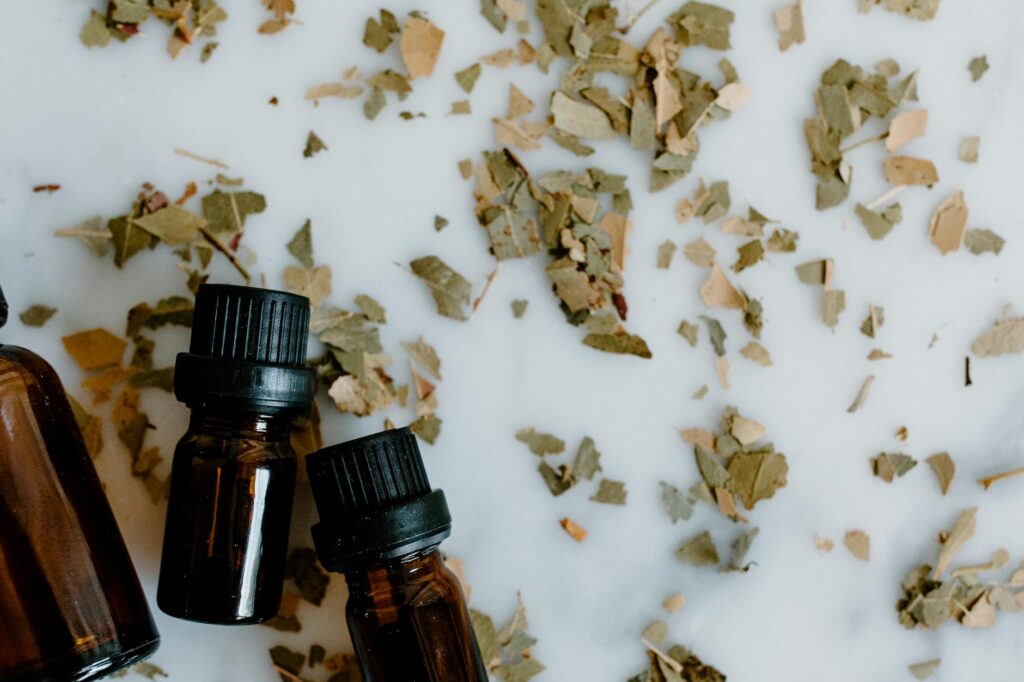
- Dark Glass Bottles: Store essential oils in dark glass bottles to protect them from light, which can degrade their quality.
- Cool, Dry Place: Keep oils in a cool, dry location away from heat sources and direct sunlight.
- Shelf Life: Most essential oils have a shelf life of 1 to 3 years, though some oils, like citrus, may have a shorter shelf life. Check for any changes in scent or appearance before use.
To create a blend, start with a base oil (such as jojoba or sweet almond oil) and add a few drops of each chosen essential oil. A general guideline is to use about 10-15 drops of essential oil per ounce of carrier oil.
Recommended Blends
1. Soothing Blend: Clary sage, lavender, and geranium.
2. Invigorating Blend: Grapefruit, rosemary, and peppermint.
3. Grounding Blend: Frankincense, ylang-ylang, and cedarwood.
Safety Considerations
While essential oils are generally considered safe when used correctly, there are important safety considerations to keep in mind:
Storage and Shelf Life
Proper storage of essential oils is crucial to maintain their efficacy and shelf life. Follow these guidelines:
Frequently Asked Questions
Can essential oils completely balance hormones?
Essential oils can support well-being and may assist in managing symptoms related to hormonal fluctuations, but they are not a substitute for medical treatment or advice.
How often should I use essential oil blends for hormonal balance?
Frequency of use can vary based on individual needs and preferences. Some may find daily use beneficial, while others may prefer to use them as needed.
Are there any essential oils to avoid during certain times in my cycle?
Some oils are considered contraindicated during pregnancy or may have stimulating effects that can affect certain cycles. It is important to research or consult with a knowledgeable professional about which oils are suitable for your specific situation.
Can I create my own essential oil blends?
Yes! Creating your own blends allows you to tailor your experience to your preferences. Start with a base oil and combine oils that resonate with you, keeping in mind their properties and effects.
Should I consult a healthcare provider before using essential oils for hormonal balance?
While many people use essential oils safely, it is always wise to consult a healthcare provider, especially if you have underlying health conditions or are taking medications.
Conclusion
Essential oil blends for hormonal balance offer a natural and aromatic way to support emotional and physical well-being during times of hormonal fluctuation. By understanding the properties of different oils and how to apply them safely, individuals can create personalized blends that resonate with their specific needs. Whether through diffusion, topical application, or bathing, the potential benefits of these fragrant oils can enhance overall quality of life, making them a valuable addition to holistic wellness practices.