
How to Use Essential Oil Blends for Improved Sleep Quality
Introduction
In an era where sleep disturbances are increasingly common, many individuals are seeking natural remedies to enhance their quality of sleep. Among these remedies, essential oils and their blends have garnered significant attention. This article will delve into the world of essential oil blends specifically designed to improve sleep quality, exploring their properties, benefits, and various applications in aromatherapy.
What Are Essential Oil Blends for Improved Sleep Quality?
Essential oil blends for sleep are combinations of various essential oils known for their calming and soothing properties. These oils, derived from plants, contain volatile compounds that can influence mood, mental clarity, and physical relaxation. By blending specific essential oils, users can create synergistic effects that promote a more restful sleep environment.
Common Essential Oils Used in Sleep Blends
1. Lavender (Lavandula angustifolia) – Widely recognized for its calming effects, lavender is often the cornerstone of sleep blends.
2. Chamomile (Matricaria chamomilla) – Known for its soothing properties, chamomile can help reduce anxiety.
3. Bergamot (Citrus bergamia) – This citrus oil can help alleviate stress and promote relaxation.
4. Cedarwood (Cedrus atlantica) – With its warm, woody aroma, cedarwood can create a grounding atmosphere.
5. Ylang Ylang (Cananga odorata) – This floral oil promotes relaxation and can help reduce tension.
Key Benefits and Properties
The benefits of using essential oil blends for improved sleep quality can be categorized into several key areas:
1. Promotes Relaxation
Many essential oils possess sedative properties that can help calm the mind and prepare the body for sleep. By using these oils in a blend, users can create a more effective relaxation tool.
2. Reduces Stress and Anxiety
Essential oil blends can have a direct impact on the limbic system, the part of the brain associated with emotions. This can lead to reduced levels of stress and anxiety, which are common barriers to sleep.
3. Enhances Sleep Quality
Using essential oils before bedtime can help improve sleep quality by facilitating the transition into deeper sleep stages, thereby allowing for restorative rest.
4. Creates a Calming Environment
The right essential oil blend can transform a space into a serene sanctuary. The sensory experience of pleasant aromas can enhance feelings of comfort and safety.
Common Uses
Essential oil blends for sleep can be used in various ways to incorporate them into nighttime routines effectively:
1. Diffusion
Using an essential oil diffuser is one of the most popular methods to disperse essential oils in the air. Adding a few drops of a sleep blend can fill the room with calming scents, creating a tranquil atmosphere conducive to sleep.
2. Topical Application
Diluting essential oils in a carrier oil (such as coconut or jojoba oil) allows for safe topical application. Massaging the blend into pulse points, such as wrists or temples, can enhance relaxation.
3. Bath Soaks
Adding essential oil blends to bathwater can provide an immersive aromatherapy experience. This practice can be particularly soothing before bedtime.
4. Sleep Pillows or Linen Sprays
Creating a spray using essential oils can refresh bed linens and pillows. Spraying the blend on linens before bedtime can help create a calming environment.
5. Inhalation
Simply inhaling an essential oil blend directly from the bottle can also be effective. Placing a few drops on a cotton ball or tissue and inhaling can provide immediate relief.
Aromatherapy Applications
Aromatherapy encompasses a variety of techniques for utilizing essential oils. Here are some popular methods for applying essential oil blends for improved sleep quality:
1. Nebulizing Diffusers
These devices break essential oils into fine particles, allowing for a more potent aroma. Nebulizers do not dilute oils with water, making them effective for powerful scent delivery.
2. Ultrasonic Diffusers
These diffusers use water to disperse essential oils into the air. They create a fine mist, which can help increase humidity and enhance the therapeutic effects of the oils.
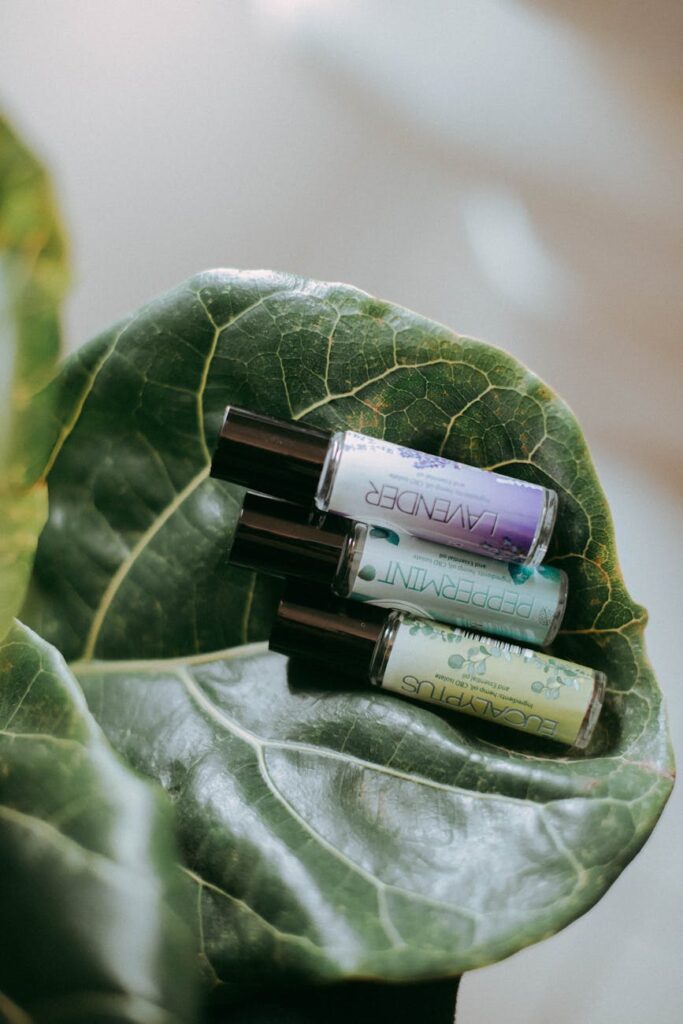
3. Roller Bottles
Combining essential oils in a roller bottle with a carrier oil allows for easy, on-the-go application. This method is convenient for travel or when needing a quick relaxation boost.
4. Cold Compresses
For a soothing application, one can use a cold compress infused with essential oils. This can be applied to the forehead or neck to promote relaxation.
Safety Considerations
While essential oils are often regarded as safe when used properly, there are important considerations to keep in mind:
1. Dilution
Essential oils are highly concentrated and should always be diluted before topical application to prevent skin irritation.
2. Allergies and Sensitivities
Individuals should perform a patch test when trying new oils to check for allergic reactions. If irritation occurs, discontinue use.
3. Pregnancy and Nursing
Certain essential oils may not be safe for use during pregnancy or nursing. It is advisable to consult with a healthcare professional.
4. Children and Pets
Some essential oils can be harmful to children and pets. Always research the safety of specific oils before use in homes with children or animals.
Storage and Shelf Life
Proper storage of essential oils is crucial to maintaining their efficacy. Here are some guidelines:
1. Keep Away from Light
Essential oils should be stored in dark glass bottles to protect them from UV rays that can degrade their quality.
2. Cool, Dry Place
Storing essential oils in a cool, dry location away from heat sources will help prolong their shelf life.
3. Expiration Dates
Most essential oils have a shelf life of 1 to 3 years, depending on the type. It’s essential to check for any changes in color, consistency, or smell.
Frequently Asked Questions
1. Can essential oils really improve sleep quality?
While many users report improved sleep quality when using essential oils, the effects can vary from person to person. The calming properties of essential oils may help create a more conducive environment for sleep.
2. How do I choose the right essential oil blend?
Selecting an essential oil blend often depends on personal preference. Consider which scents you find most calming or have historically helped you relax. Blends containing lavender, chamomile, and bergamot are popular choices for sleep.
3. Can I create my own essential oil blend?
Yes! Experimenting with various essential oils to find a combination that works for you can be a rewarding experience. Start with a base oil (like lavender) and add small amounts of others to create a blend that suits your needs.
4. How often can I use essential oils for sleep?
You can use essential oils nightly as part of your bedtime routine. However, it’s important to monitor any potential sensitivities or reactions.
5. Are there any side effects associated with essential oils?
While generally safe when used correctly, some individuals may experience allergic reactions or skin irritations. Always dilute oils and perform patch tests when trying new oils.
In conclusion, essential oil blends can be a beneficial addition to a sleep-enhancing routine. By understanding the properties, applications, and safety considerations associated with these blends, individuals can create a soothing environment that promotes restful sleep.