
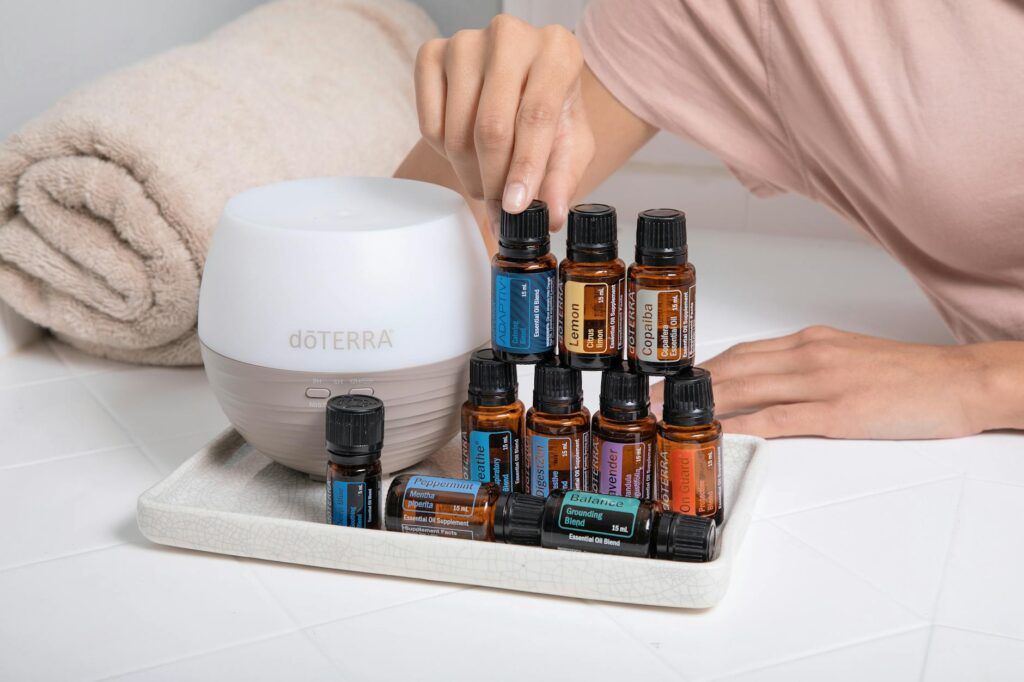
How to Use Essential Oil Blends for Meditation and Mindfulness
Introduction
In today’s fast-paced world, cultivating a sense of calm and clarity is more important than ever. Meditation and mindfulness practices can significantly contribute to mental well-being, helping individuals connect with their inner selves and find peace amidst chaos. One effective way to enhance these practices is through the use of essential oil blends. This article explores how essential oil blends can be integrated into meditation and mindfulness routines, providing a comprehensive guide for practitioners of all levels.
What Is Essential Oil Blends for Meditation and Mindfulness?
Essential oils are concentrated extracts obtained from various parts of plants, including leaves, flowers, bark, and roots. When blended thoughtfully, these oils can create unique combinations that promote specific emotional states, making them particularly useful for meditation and mindfulness practices. Essential oil blends are formulated to harness the synergistic effects of different oils, amplifying their individual properties.
For meditation and mindfulness, certain essential oils are chosen for their calming, grounding, or uplifting effects. These blends can be inhaled, diffused, or applied topically, allowing practitioners to engage their senses and create an environment conducive to deep focus and relaxation.
Key Benefits and Properties
The benefits of using essential oil blends during meditation and mindfulness practices can be profound. Here are some key advantages:
1. Enhances Focus: Certain oils can help clear mental fog and increase concentration, allowing practitioners to deepen their meditation experience.
2. Promotes Relaxation: Oils such as lavender and chamomile are known for their calming properties, helping to reduce anxiety and stress.
3. Creates a Sacred Space: The aromatic qualities of essential oils can transform an ordinary space into a tranquil sanctuary, setting the mood for mindfulness and introspection.
4. Supports Emotional Well-being: Many essential oils have uplifting properties that can help balance emotions, making them ideal for individuals seeking emotional stability during meditation.
5. Encourages Mindfulness: The sensory experience of using essential oils can cultivate mindfulness by drawing attention to the present moment, enhancing the overall meditation experience.
Common Uses
Essential oil blends can be utilized in various ways to enhance meditation and mindfulness practices. Here are some common applications:
1. Diffusion
Using an essential oil diffuser is one of the most popular methods for incorporating essential oil blends into your practice. By dispersing the aromatic compounds into the air, you create a soothing atmosphere that can facilitate relaxation and focus.
2. Inhalation
Direct inhalation of essential oil blends is another effective method. This can be done by placing a few drops of the blend on a cotton ball or in the palms of your hands, cupping them over your nose, and taking deep breaths. This method allows for immediate access to the oils’ aromatic properties.
3. Topical Application
When diluted with a carrier oil, essential oil blends can be applied to pulse points such as the wrists, neck, or behind the ears. The skin absorbs the oils, providing both aromatic and therapeutic benefits during meditation practices.
4. Bathing Rituals
Adding essential oil blends to a warm bath can create a serene environment conducive to mindfulness and relaxation. The steam from the bath helps to release the oils’ aromatic properties, enhancing the overall experience.
5. Ritualistic Use
Incorporating essential oil blends into your personal rituals can deepen your connection to the practice. Whether it’s anointing your third eye with a blend or using it to set intentions, these rituals can enhance your mindfulness journey.
Aromatherapy Applications
Aromatherapy is the practice of using essential oils to promote physical and emotional well-being. Within the context of meditation and mindfulness, several specific applications can be beneficial:
1. Grounding Blends
Blends that include grounding oils like sandalwood, patchouli, and vetiver can help anchor the mind and body, making them ideal for meditation practices focused on stability and presence.
2. Calming Blends
Oils such as lavender, bergamot, and ylang-ylang can be combined to create calming blends that reduce anxiety and promote relaxation, fostering a peaceful environment for meditation.
3. Uplifting Blends
For those seeking to boost their mood, blends that include citrus oils like lemon, orange, or grapefruit can invigorate the spirit and promote a positive mindset.
4. Clarity Blends
Essential oils such as peppermint, rosemary, and frankincense can be blended to enhance mental clarity and focus, making them particularly useful for meditation practices aimed at problem-solving or creative thinking.
Safety Considerations
While essential oils are generally safe when used appropriately, it is essential to consider the following safety guidelines:
1. Dilution: Always dilute essential oils with a carrier oil before applying them to the skin to prevent irritation. A common dilution ratio is 2-3 drops of essential oil per teaspoon of carrier oil.
2. Skin Sensitivity: Conduct a patch test prior to widespread use to check for any adverse reactions. Apply a small amount of the diluted blend to a discreet area of skin and observe for any irritation.
3. Quality of Oils: Use high-quality, pure essential oils from reputable sources to ensure safety and efficacy. Avoid synthetic fragrances, which may contain harmful chemicals.
4. Pregnancy and Health Conditions: Pregnant women and individuals with specific health conditions should consult a qualified professional before using essential oils. Some oils may be contraindicated in certain situations.
5. Storage: Keep essential oils in a cool, dark place, away from direct sunlight and heat, to maintain their potency.
Storage and Shelf Life
Essential oils generally have a long shelf life, but proper storage is crucial to preserving their qualities. Here are some tips for storage:
1. Containers: Store essential oils in dark glass bottles to protect them from light degradation. Avoid plastic containers, as they can leach chemicals into the oils.
2. Temperature: Keep oils in a cool, dry place, away from direct sunlight and heat sources.
3. Shelf Life: While most essential oils can last for several years, their shelf life varies. Citrus oils tend to have a shorter shelf life (1-2 years), while oils like patchouli and sandalwood can last much longer.
Frequently Asked Questions
1. Can I create my own essential oil blends for meditation?
Yes, you can create your own blends by experimenting with different essential oils. Start with a few oils that resonate with you and gradually adjust proportions until you find a blend that suits your preferences.
2. How do I know which essential oils to use?
Selecting essential oils often depends on individual needs and preferences. Consider your emotional state and the atmosphere you wish to create during your meditation practice. Research common oils for specific purposes or consult aromatherapy resources for guidance.
3. Is it safe to use essential oils around pets?
Some essential oils can be toxic to pets, particularly cats and dogs. Research the safety of specific oils and consult a veterinarian if you have concerns about using essential oils in a household with pets.
4. Can I use essential oils during yoga?
Absolutely! Many people find that using essential oils during yoga enhances their practice. You can diffuse oils in the room, apply them to your skin, or use them in a calming spray for your yoga mat.
5. How do I know if I’m allergic to an essential oil?
If you suspect you may be allergic to an essential oil, perform a patch test by applying a diluted drop to a small area of skin. Wait 24 hours to see if any irritation occurs. If you experience redness, itching, or swelling, discontinue use and consult a professional.
Conclusion
Incorporating essential oil blends into meditation and mindfulness practices can significantly enhance the experience, promoting relaxation, focus, and emotional balance. By understanding the various applications, benefits, and safety considerations, practitioners can create a personalized aromatic journey that complements their spiritual and mental well-being. Whether you’re a novice or an experienced practitioner, the world of essential oils offers a valuable resource for enriching your meditation and mindfulness practices.