
How to Use Essential Oil Blends for Mood Enhancement and Stress Relief
Introduction
In today’s fast-paced world, stress and mood fluctuations are common experiences for many individuals. While conventional methods of managing these issues often focus on medication or therapy, natural alternatives like essential oils are gaining popularity. Essential oil blends can be particularly effective for mood enhancement and stress relief, as they combine the unique properties of various oils to create a synergistic effect. This article will explore what essential oil blends are, their benefits, common uses, applications in aromatherapy, safety considerations, and how to store them effectively.
What Are Essential Oil Blends for Mood Enhancement and Stress Relief?
Essential oil blends are combinations of various essential oils, each chosen for its unique aromatic and therapeutic properties. These blends can be specifically formulated to promote relaxation, elevate mood, or reduce stress. The science behind aromatherapy suggests that the scent molecules in essential oils can influence the brain and emotional well-being, making them a valuable tool in holistic health practices.
For mood enhancement and stress relief, popular essential oils include lavender, bergamot, chamomile, and cedarwood, among others. By combining these oils, a blend can target multiple aspects of emotional wellness, providing a more comprehensive approach to relaxation and mood elevation.
Key Benefits and Properties
Essential oil blends for mood enhancement and stress relief offer several key benefits:
1. Aromatic Influence: The inhalation of essential oils can stimulate the olfactory system, which is closely linked to the limbic system in the brain. This connection can evoke emotional responses, helping to alleviate feelings of anxiety and stress.
2. Mood Regulation: Certain essential oils have properties that are known to uplift and promote feelings of happiness. For example, citrus oils like lemon and orange are often used to boost mood and energy levels.
3. Relaxation: Many essential oils possess calming properties that can help reduce tension. Oils such as lavender and chamomile are well-known for their ability to promote relaxation and better sleep.
4. Holistic Approach: Using essential oil blends allows individuals to engage in self-care practices that support emotional and mental well-being. This holistic approach can be beneficial as part of a broader wellness routine.
Common Uses
Essential oil blends can be employed in various ways to enhance mood and relieve stress. Here are some common uses:
1. Diffusion: Using a diffuser to disperse essential oil blends into the air can create a calming atmosphere. This method is particularly effective in shared spaces like living rooms or offices.
2. Topical Application: Diluting essential oil blends in a carrier oil allows for direct application to the skin. This can enhance absorption and provide localized relief, especially when applied to pulse points like wrists or behind the ears.
3. Bathing: Adding essential oil blends to bath water can create a soothing and aromatic experience. This practice can help relax the body and mind while providing a sensory escape.
4. Inhalation: Direct inhalation of essential oil blends from a bottle or via steam inhalation can yield immediate effects. This method is useful for quick stress relief.
5. Massage: Incorporating essential oil blends into a massage can enhance relaxation and promote emotional well-being. The combination of touch and aroma can create a deeply calming experience.
Aromatherapy Applications
Aromatherapy is the practice of using essential oils for therapeutic purposes, and it is a natural fit for mood enhancement and stress relief. Here are some effective applications:
1. Room Diffusion: Fill a diffuser with water and add a few drops of your chosen essential oil blend. Turn on the diffuser to create a relaxing environment. Popular blends for stress relief might include lavender, bergamot, and frankincense.
2. Personal Inhalers: Personal inhalers are small, portable devices that allow for on-the-go aromatherapy. Fill a cotton wick with your essential oil blend and place it inside the inhaler. Whenever you need a quick mood boost, simply inhale through the device.
3. Sleep Rituals: Incorporate essential oil blends into your nighttime routine by adding a few drops to your pillow or bedding. Blends containing chamomile, lavender, and vetiver are particularly effective for promoting restful sleep.
4. Meditation and Mindfulness: Enhance your meditation practice by using essential oil blends. Diffusing calming scents can help create a serene environment, allowing for deeper relaxation and focus.
5. Yoga Practice: Using essential oils during yoga sessions can enhance the experience. Apply a calming blend to your wrists or the back of your neck before beginning your practice.
Safety Considerations
While essential oils are generally safe for use, there are important safety considerations to keep in mind:
1. Dilution: Essential oils should be diluted in a carrier oil before applying them to the skin. This helps to prevent irritation and enhances absorption.
2. Allergies and Sensitivities: Before using a new essential oil, perform a patch test to check for any allergic reactions. Apply a small amount of diluted oil to a discreet area of skin and observe for any adverse reactions.
3. Pregnancy and Nursing: Certain essential oils may not be safe for use during pregnancy or while nursing. It is advisable to consult with a qualified aromatherapist or healthcare provider for guidance.
4. Children and Pets: Some essential oils can be harmful to children and pets. Always research the safety of specific oils before using them in environments where children or animals are present.
5. Quality Matters: Choose high-quality, pure essential oils from reputable sources. Synthetic or low-quality oils may not provide the desired effects and could even cause adverse reactions.
Storage and Shelf Life
Proper storage of essential oil blends is crucial to maintaining their potency and effectiveness. Here are some guidelines:
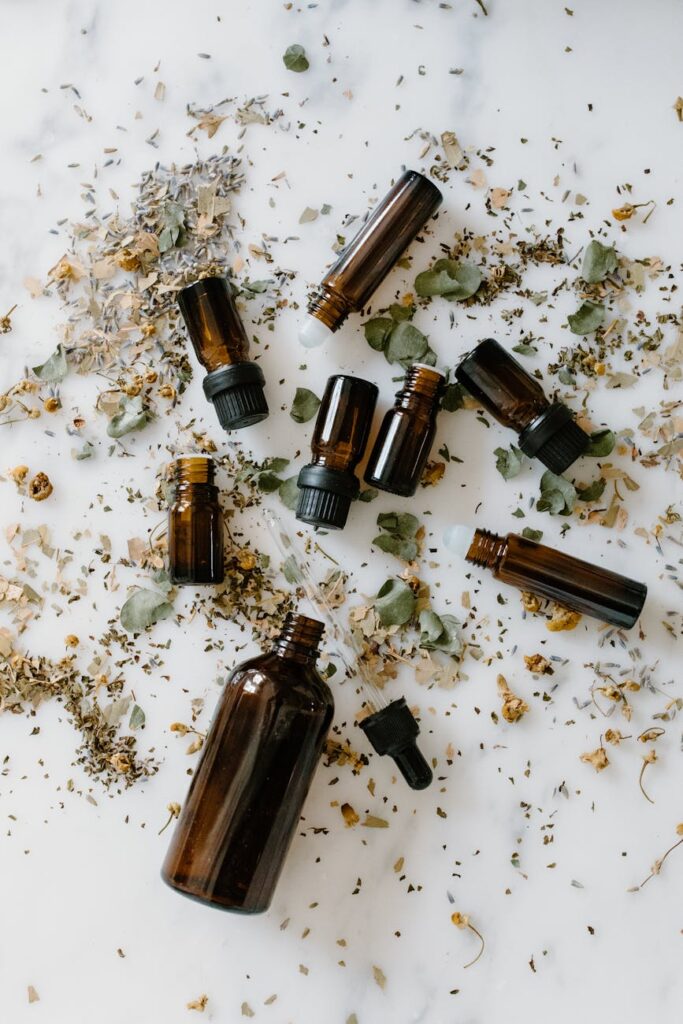
1. Dark Glass Containers: Store essential oil blends in dark glass bottles to protect them from light, which can degrade the oils over time.
2. Cool, Dry Place: Keep the oils in a cool, dry area away from direct sunlight and heat sources. Excessive heat can impact the chemical composition of the oils.
3. Shelf Life: The shelf life of essential oils varies depending on the type of oil. Generally, citrus oils have a shorter shelf life (about 1-2 years), while oils like sandalwood can last for several years. Check for signs of degradation, such as changes in color or scent.
Frequently Asked Questions
1. How do I choose the right essential oil blend for my needs?
Start by identifying your specific goals, whether it be stress relief, mood enhancement, or relaxation. Research blends that contain oils known for those properties, and consider personal preferences in scent.
2. Can I create my own essential oil blends?
Absolutely! Experimenting with different essential oils allows you to create personalized blends tailored to your preferences. Start with small quantities and test different combinations to find what works best for you.
3. How often can I use essential oil blends?
You can use essential oil blends as often as needed. However, it’s essential to listen to your body and adjust usage based on your individual response. Regular use during high-stress periods can be beneficial.
4. Are there essential oils to avoid?
Certain oils may cause sensitivity or allergic reactions. Oils such as cinnamon, oregano, and clove can be irritating to the skin and should be used with caution. Always research the safety of specific oils before use.
5. Can essential oil blends be used in conjunction with other therapies?
Yes, many individuals find that essential oil blends complement other therapeutic practices, such as meditation, yoga, or counseling. However, it’s advisable to consult a healthcare professional if you have specific concerns.
Conclusion
Essential oil blends offer a natural and holistic approach to enhancing mood and relieving stress. By understanding their benefits, applications, and safety considerations, individuals can incorporate these aromatic treasures into their daily routines. Whether through diffusion, topical application, or bath rituals, essential oils can serve as powerful allies in the quest for emotional well-being. Always remember to prioritize safety and choose high-quality oils to ensure the best possible experience.