
How to Use Essential Oil Blends for Pain Relief
Introduction
Essential oils have been utilized for centuries, harnessing the natural properties of various plant extracts to promote health and well-being. Among their many applications, essential oil blends for pain relief have gained significant attention for their potential to alleviate discomfort associated with various conditions. This article provides a comprehensive overview of essential oil blends, their benefits, common uses, applications in aromatherapy, safety considerations, storage recommendations, and answers to frequently asked questions.
What Is Essential Oil Blends for Pain Relief?
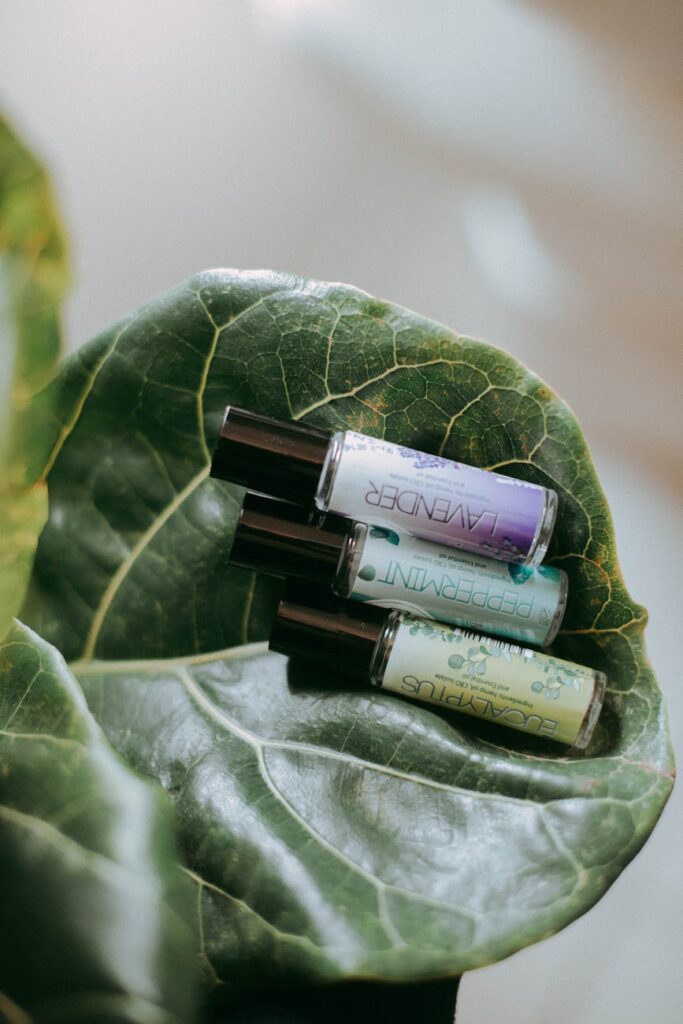
Essential oil blends for pain relief are combinations of various essential oils specifically formulated to target discomfort and promote relaxation. These blends can be created using single oils known for their analgesic, anti-inflammatory, or muscle-relaxing properties. Commonly used essential oils in pain relief blends include lavender, peppermint, eucalyptus, and rosemary, among others.
By synergizing these oils, users can potentially enhance the therapeutic effects, making them more effective than individual oils alone. The blend can be applied in various ways, such as topical application, diffusion, or inhalation, depending on the desired outcome.
Key Benefits and Properties
Essential oil blends for pain relief offer a variety of potential benefits:
1. Natural Pain Relief: Many essential oils possess analgesic properties that may help alleviate discomfort from headaches, muscle pains, joint aches, and menstrual cramps.
2. Anti-Inflammatory Effects: Certain oils, like ginger and turmeric, are recognized for their anti-inflammatory properties, which can aid in reducing swelling and pain associated with inflammatory conditions.
3. Muscle Relaxation: Oils such as marjoram and chamomile are known for their muscle-relaxing effects, potentially providing relief from tension and spasms.
4. Stress Reduction: Pain is often exacerbated by stress and anxiety. Essential oils like lavender and bergamot can promote relaxation and emotional well-being, potentially reducing the perception of pain.
5. Enhanced Circulation: Some essential oils, such as black pepper and ginger, may help improve circulation, which can be beneficial for pain relief in certain conditions.
6. Convenience and Versatility: Essential oil blends can be easily incorporated into daily routines through various methods, making them accessible for many individuals.
Common Uses
Essential oil blends can be applied in a variety of ways to address different types of pain:
- Topical Application: Diluting essential oils in a carrier oil (such as coconut, jojoba, or almond oil) and applying them directly to the affected area can provide localized relief. This method is commonly used for muscle aches, joint pain, and headaches.
- Aromatherapy: Diffusing essential oils in a room or inhaling them directly from a bottle can promote relaxation and alleviate stress-related pain. This approach is often beneficial for tension headaches and emotional discomfort.
- Baths: Adding essential oil blends to bathwater can create a soothing experience, allowing for both physical and emotional relief. This method is particularly effective for muscle soreness and overall relaxation.
- Compresses: Soaking a cloth in warm or cold water mixed with essential oils can create a compress used on specific areas to reduce pain and inflammation.
Aromatherapy Applications
Aromatherapy is a holistic practice that utilizes essential oils to enhance physical and emotional health. When it comes to pain relief, several methods can be employed:
1. Diffusion: Using a diffuser to disperse essential oil blends into the air can create a calming environment. Oils like lavender and eucalyptus are particularly effective for promoting relaxation and easing tension.
2. Inhalation: Inhaling essential oils directly from a bottle or through steam inhalation can provide immediate relief from headaches and sinus pressure.
3. Massage: Incorporating essential oil blends into massage can enhance the therapeutic effects. The combination of touch and aromatherapy can help alleviate muscle tension and promote relaxation.
4. Meditation and Mindfulness: Utilizing essential oils during meditation can enhance the experience, potentially reducing stress and pain perception.
Safety Considerations
While essential oils are natural, they are potent substances that require careful handling. Here are some safety considerations:
1. Dilution: Essential oils should always be diluted in a carrier oil before topical application to prevent skin irritation. A common dilution ratio is 2-3 drops of essential oil per teaspoon of carrier oil.
2. Patch Test: Conducting a patch test on a small area of skin can help determine sensitivity or allergic reactions to specific oils.
3. Avoiding Sensitive Areas: Essential oils should not be applied to sensitive areas, such as the eyes, mucous membranes, or broken skin.
4. Pregnancy and Breastfeeding: Certain essential oils may not be safe during pregnancy or breastfeeding. Consulting a qualified professional before use is advisable.
5. Children and Pets: Some essential oils can be harmful to children and pets. Always research the safety of specific oils before use in homes with children or animals.
6. Medical Conditions: Individuals with specific medical conditions or those taking medications should consult a healthcare professional regarding the use of essential oils.
Storage and Shelf Life
Proper storage of essential oils is crucial to maintain their potency and effectiveness. Here are some guidelines:
1. Dark Glass Containers: Essential oils should be stored in dark glass bottles to protect them from light, which can degrade their quality.
2. Cool, Dry Place: Keep essential oils in a cool, dry location away from direct sunlight and heat sources. A cabinet or drawer is often ideal.
3. Tightly Sealed: Ensure that bottles are tightly sealed to prevent oxidation and contamination.
4. Shelf Life: The shelf life of essential oils varies by type. Generally, citrus oils have a shorter shelf life (about 1-2 years) compared to woody oils like cedarwood (up to 4-8 years). Always check for changes in scent or appearance, which may indicate that the oil has expired.
Frequently Asked Questions
1. Can essential oil blends completely eliminate pain?
While essential oil blends may provide relief for some individuals, they are not a substitute for medical treatment. Their effectiveness can vary based on the type of pain and individual response.
2. How long does it take for essential oils to work?
The onset of relief can vary. Inhalation may provide immediate effects, while topical applications can take longer to show results.
3. Are there any essential oils that should be avoided?
Yes, certain oils, such as wintergreen and camphor, should be used with caution due to their potency and potential side effects.
4. Can I create my own essential oil blends?
Absolutely! Many individuals enjoy creating their own blends tailored to their preferences. Research the properties of various oils and experiment with different combinations, keeping safety considerations in mind.
5. How do I know which essential oils to use for my pain?
Identifying the type of pain and any underlying causes can help in selecting appropriate oils. Researching their properties or consulting with an aromatherapy professional can provide guidance.
Conclusion
Essential oil blends for pain relief offer a natural and versatile approach to managing discomfort. By understanding their properties, applications, and safety considerations, individuals can effectively incorporate these blends into their self-care routines. While they may not replace traditional medical treatments, essential oils can serve as a complementary option for those seeking relief from pain and stress. Always remember to use them responsibly and consult experts when needed to ensure a safe and beneficial experience.