
How to Use Essential Oil Blends for Relaxation and Calmness
Introduction
In today’s fast-paced world, finding moments of serenity has become increasingly important for mental and emotional well-being. Essential oil blends designed for relaxation and calmness offer a natural and aromatic solution to help manage stress and anxiety. These blends harness the power of various plant extracts, each with its unique properties, to create an environment conducive to tranquility and peace. This article delves into the realm of essential oil blends, exploring their benefits, applications, and safety considerations.
What Is Essential Oil Blends for Relaxation and Calmness?
Essential oil blends for relaxation and calmness are carefully formulated combinations of various essential oils known for their soothing effects. Essential oils are concentrated extracts derived from plants, capturing their aromatic properties and therapeutic qualities. When blended, these oils can work synergistically, enhancing their individual effects to create a powerful tool for promoting relaxation.
Common essential oils used in these blends include lavender, chamomile, bergamot, and frankincense, among others. Each oil contributes its unique scent and properties, making the blends versatile for different preferences and needs.
Key Benefits and Properties
The primary benefits of essential oil blends for relaxation and calmness include:
1. Stress Reduction: Many essential oils, such as lavender and ylang-ylang, are known for their ability to alleviate feelings of tension and stress. Inhaling these oils can trigger the body’s relaxation response.
2. Improved Sleep Quality: Blends containing calming oils can create a serene atmosphere conducive to sleep. Lavender, for instance, is often used to improve sleep duration and quality.
3. Mood Enhancement: Essential oils can have a profound impact on mood. Citrus oils like bergamot and sweet orange are uplifting and can help reduce feelings of anxiety and sadness.
4. Support for Mental Clarity: Certain blends can help clear the mind, promoting focus and mental clarity while reducing feelings of overwhelm. Oils like peppermint and rosemary can be invigorating yet calming.
5. Emotional Balance: Essential oils can influence emotional states. Oils such as geranium and frankincense are known to instill feelings of peace and emotional stability.
Common Uses
Essential oil blends for relaxation and calmness can be utilized in various ways:
1. Diffusion: Using an essential oil diffuser is one of the most popular methods for dispersing the scent of essential oils throughout a room. This method allows for even distribution, creating an aromatic atmosphere conducive to relaxation.
2. Topical Application: Essential oils can be diluted and applied to the skin, often on pulse points such as wrists, neck, or behind the ears. This method allows for the direct absorption of the oils, enhancing their effects.
3. Bathing: Adding essential oil blends to bath water can transform a regular bath into a soothing experience. The warm water helps to disperse the oils, allowing for both inhalation and skin absorption.
4. Inhalation: Simply inhaling the scent from a bottle or using a personal inhaler can provide immediate calming effects. This method is particularly useful for on-the-go relaxation.
5. Massage: Blending essential oils with a carrier oil for massage can enhance relaxation and provide a nurturing touch. This method combines the benefits of aromatherapy with the physical relaxation of massage.
Aromatherapy Applications
Aromatherapy is the practice of using essential oils for therapeutic benefits. When it comes to relaxation and calmness, several applications can be particularly effective:
1. Calming Room Spray: Create a simple room spray by mixing essential oils with distilled water in a spray bottle. Choose oils known for their relaxing properties and mist the blend into your space whenever you need a moment of calm.
2. Sleep Pillows: Adding a few drops of calming essential oils to a cotton ball or small pouch can create a sleep pillow. Placing this near your pillow can help promote restful sleep.
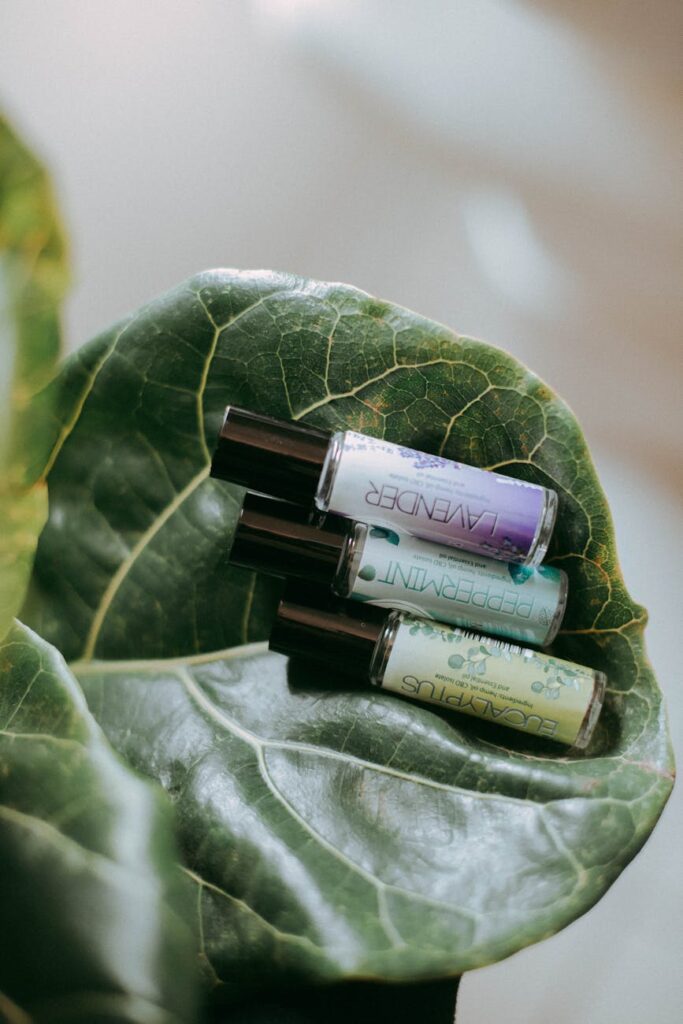
3. Relaxation Roll-On: Combine essential oils with a carrier oil in a small roll-on bottle for a portable relaxation aid. Simply roll onto pulse points when stress arises.
4. Scented Candles: Incorporating essential oils into homemade candles can provide a long-lasting aromatic experience. The warm wax will disperse the scent, creating a calming ambiance.
5. Meditation and Yoga: Using essential oils during meditation or yoga can enhance the experience, helping to center the mind and body. Diffusing calming oils in the background or applying them topically can create a serene environment.
Safety Considerations
While essential oils are generally safe when used correctly, there are several safety considerations to keep in mind:
1. Dilution: Always dilute essential oils with a carrier oil before applying them to the skin. This helps prevent irritation and ensures safe use.
2. Patch Test: Conduct a patch test on a small area of skin before using any new essential oil blend to check for allergic reactions or sensitivities.
3. Pregnancy and Nursing: Pregnant or nursing individuals should consult with a healthcare professional before using essential oils, as some oils may not be safe during these periods.
4. Children and Pets: Certain essential oils may not be suitable for children or pets. Always research the safety of specific oils before use around these sensitive populations.
5. Quality of Oils: Choose high-quality, pure essential oils from reputable sources. Synthetic or adulterated oils may not provide the desired benefits and can be harmful.
Storage and Shelf Life
Proper storage of essential oils is crucial for maintaining their potency and effectiveness. Here are some tips for storage:
1. Dark Glass Containers: Essential oils should be stored in dark glass bottles to protect them from light, which can degrade their quality.
2. Cool, Dry Place: Keep essential oils in a cool, dry location, away from heat sources and direct sunlight.
3. Tightly Sealed: Ensure that bottles are tightly sealed to prevent oxidation and evaporation.
4. Shelf Life: The shelf life of essential oils varies by type, but generally, they can last for 1 to 3 years. Citrus oils typically have a shorter shelf life, while woody oils can last longer. Regularly check for changes in scent or appearance as indicators of quality.
Frequently Asked Questions
1. Can I create my own essential oil blends for relaxation?
Yes, creating your own blends is a rewarding and personal process. Start with a base oil known for its calming properties, such as lavender, and add complementary oils to suit your preferences.
2. How many essential oils should I combine in a blend?
Typically, 2 to 4 essential oils work best in a blend. This allows for a harmonious combination without overwhelming the senses.
3. How do I know if an essential oil is suitable for relaxation?
Research the properties of each essential oil before use. Look for oils known for their calming effects, such as lavender, chamomile, and bergamot.
4. Can I use essential oils in a humidifier?
It is not recommended to use essential oils in standard humidifiers, as they can damage the device. Instead, use an essential oil diffuser specifically designed for this purpose.
5. What if I don’t like the scent of certain essential oils?
Aromatherapy is highly individual. Explore various oils and blends to find scents that resonate with you. It’s essential to choose fragrances that you find calming and pleasant.
In conclusion, essential oil blends for relaxation and calmness offer a versatile and natural approach to enhancing well-being. By understanding their benefits, uses, and safety considerations, individuals can effectively incorporate these aromatic blends into their daily routines, fostering moments of peace in an increasingly hectic world.