
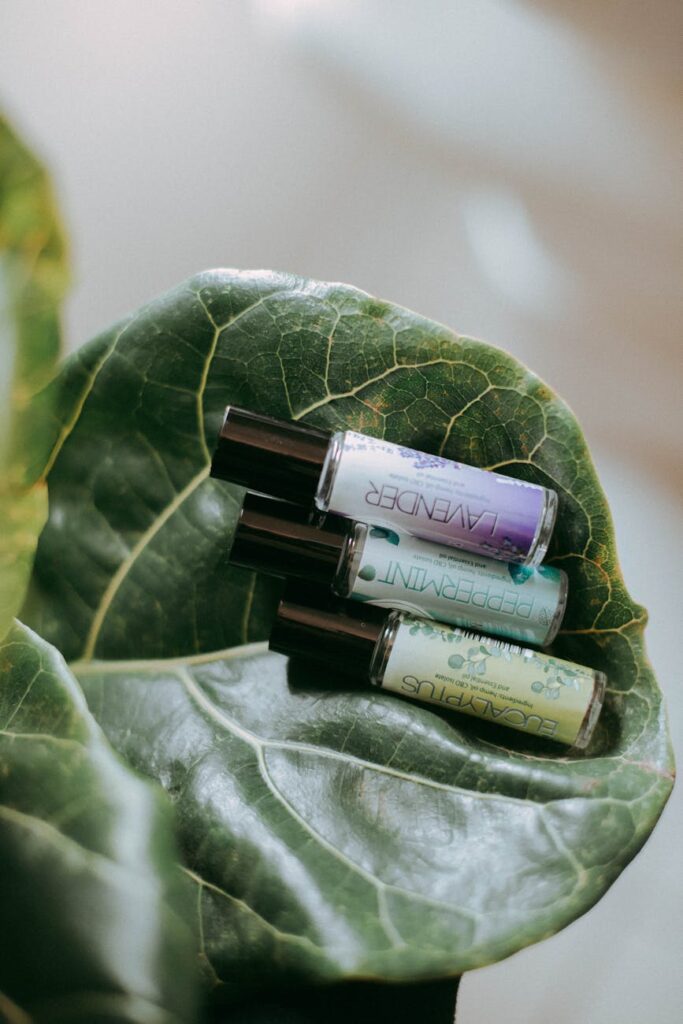
How to Use Essential Oil Blends for Seasonal Allergies
Introduction
Seasonal allergies, often triggered by pollen, dust, and mold, can induce a range of uncomfortable symptoms, including sneezing, congestion, and itchy eyes. While various treatment options exist, many individuals seek natural remedies to alleviate these symptoms. Essential oils—concentrated extracts from plants—have been utilized for centuries for their therapeutic properties. This article explores how to use essential oil blends specifically formulated for seasonal allergies, emphasizing their benefits, applications, and safety considerations.
What Are Essential Oil Blends for Seasonal Allergies?
Essential oil blends for seasonal allergies are combinations of various essential oils chosen for their potential to mitigate allergy symptoms. These blends typically include oils known for their anti-inflammatory, antihistamine, and soothing properties. Common ingredients may include eucalyptus, lavender, peppermint, tea tree, and lemon essential oils. Their combined effects can provide a holistic approach to managing allergy symptoms, enhancing overall well-being.
Key Benefits and Properties
The benefits of essential oil blends for seasonal allergies are largely attributed to the unique properties of each oil used in the blend. Here are some commonly used essential oils and their respective properties:
- Eucalyptus Oil: Known for its decongestant properties, eucalyptus oil can help clear airways and promote easier breathing.
- Lavender Oil: Renowned for its calming effects, lavender can reduce stress and anxiety, which may exacerbate allergy symptoms.
- Peppermint Oil: This oil contains menthol, which can help soothe irritated nasal passages and act as a natural decongestant.
- Tea Tree Oil: With its antimicrobial properties, tea tree oil can assist in reducing the risk of infections that may accompany allergy flare-ups.
- Lemon Oil: With its refreshing scent, lemon oil is often used for its uplifting properties and can aid in cleansing the air.
- 3 drops of eucalyptus oil
- 3 drops of lavender oil
- 2 drops of peppermint oil
- 5 drops of tea tree oil
- 5 drops of lemon oil
- 5 drops of lavender oil
- 5 drops of eucalyptus oil
- 1 cup of Epsom salt
- Dilution: Always dilute essential oils with a carrier oil (such as coconut, jojoba, or almond oil) before applying them to the skin. A common dilution ratio is 2-3 drops of essential oil per teaspoon of carrier oil.
- Patch Test: Conduct a patch test before using any new essential oil to check for potential allergic reactions. Apply a small diluted amount to a discreet area of skin and wait 24 hours to assess any adverse reactions.
- Consulting a Professional: While essential oils can be beneficial, they are not a substitute for professional medical advice. Consult with a healthcare professional if you have pre-existing conditions or are pregnant.
- Avoiding Certain Oils: Some essential oils may not be suitable for everyone. For example, pregnant or nursing individuals should avoid certain oils like rosemary and sage. Ensure to research or seek guidance on which oils to avoid.
- Keep Away from Light: Store essential oils in dark glass bottles to protect them from light exposure, which can degrade the oils over time.
- Cool, Dry Place: Essential oils should be stored in a cool, dry place, away from direct sunlight and heat sources.
- Shelf Life: The shelf life of essential oils can vary depending on the type. Generally, citrus oils have a shorter shelf life (1-2 years), while oils like sandalwood and patchouli can last up to 5 years or more.
These oils work synergistically in blends, enhancing their overall effectiveness against seasonal allergies.
Common Uses
Essential oil blends for seasonal allergies can be employed in various ways to maximize their benefits. Here are some common applications:
1. Diffusion: Using an essential oil diffuser can disperse the aromas throughout your living space, promoting relaxation and easier breathing.
2. Inhalation: Inhaling essential oils directly from the bottle or via a cotton ball can provide immediate relief. This method allows for quick absorption of the oils into the respiratory system.
3. Topical Application: When diluted with a carrier oil, essential oil blends can be applied to pulse points, such as wrists and temples. This method can provide localized relief and is often used in conjunction with inhalation.
4. Baths: Adding essential oil blends to bathwater can create a soothing atmosphere, allowing for both relaxation and respiratory relief.
5. Steam Inhalation: Adding a few drops of essential oils to a bowl of hot water and inhaling the steam can help clear nasal passages and provide relief from congestion.
Aromatherapy Applications
Aromatherapy is an effective method for harnessing the power of essential oil blends to combat seasonal allergies. Here are some specific aromatherapy applications:
Diffuser Blends
Creating your own diffuser blend can be simple and rewarding. A commonly used recipe might include:
Add these oils to your diffuser with water according to the manufacturer’s instructions. This blend can create a calming yet invigorating atmosphere.
Inhalers
Inhalers are portable and convenient for on-the-go relief. To create an inhaler, you can use a cotton wick inside a small inhaler tube. Add:
Close the inhaler and use it as needed throughout the day for relief.
Bath Soak
For a more immersive experience, consider creating a soothing bath soak. Combine:
Mix the oils with Epsom salt before adding them to your bath. This combination can help relax the body while providing respiratory support.
Safety Considerations
When using essential oils, particularly for seasonal allergies, it’s crucial to keep safety at the forefront. Here are some important considerations:
Storage and Shelf Life
Proper storage of essential oils is essential to maintain their potency and effectiveness. Here are some tips:
Frequently Asked Questions
Can I use essential oils if I have allergies?
Yes, many individuals with allergies find relief using essential oils. However, it’s essential to choose oils carefully and consult with a healthcare professional if you have specific concerns.
Are there any essential oils to avoid for allergies?
While many oils can help alleviate symptoms, some individuals may be sensitive to certain oils. Oils like eucalyptus and peppermint can be irritating to some people, so it’s wise to conduct patch tests or consult a professional.
How often can I use essential oil blends?
The frequency of use can vary based on the method of application. For inhalation and diffusion, you can use them multiple times a day, while topical applications should be limited to a few times daily to avoid skin irritation.
Can children use essential oil blends?
Children can benefit from essential oils, but it’s crucial to use child-safe oils and dilute them appropriately. Always consult with a healthcare professional before introducing essential oils to children.
Is it safe to mix different essential oils?
Yes, many essential oils can be safely blended. However, it’s important to research the properties of each oil and ensure they complement each other for the desired effect.
Conclusion
Essential oil blends can provide a natural approach to managing seasonal allergies, offering relief from symptoms while enhancing overall well-being. With their diverse aromas and therapeutic properties, these oils can be a valuable addition to your wellness routine. However, always prioritize safety and consult with professionals when necessary. By understanding the various applications and benefits, individuals can effectively harness the power of essential oils to navigate the challenges of seasonal allergies.