
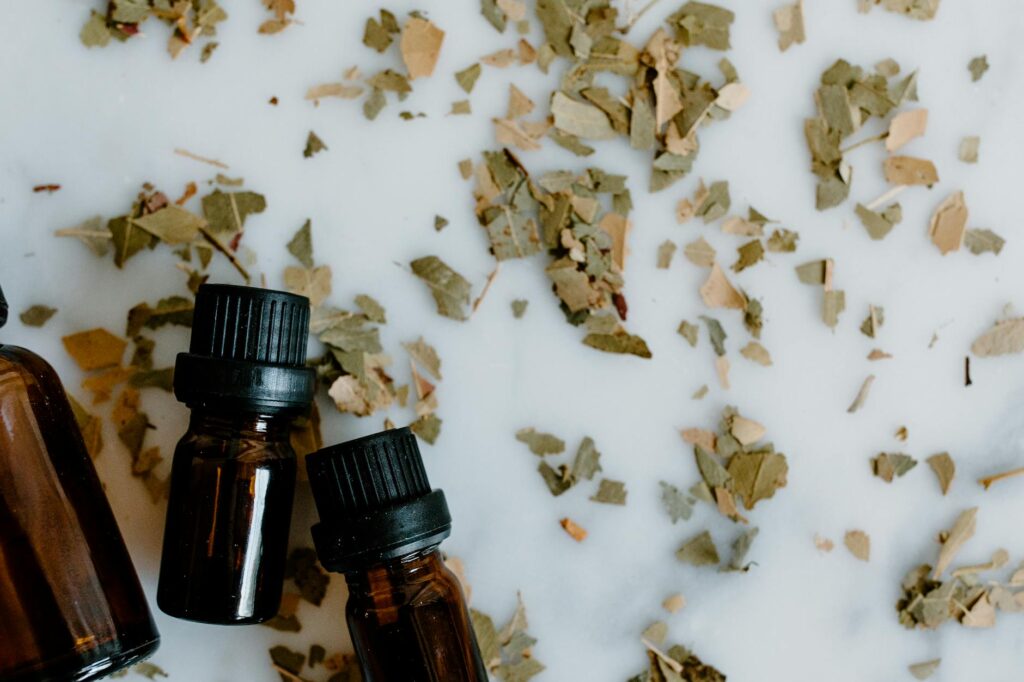
How to Use Essential Oil Blends for Seasonal Mood Enhancement
Introduction
As the seasons change, so too can our moods and emotional states. Many individuals experience fluctuations in their emotional well-being throughout the year, influenced by factors such as weather patterns, daylight hours, and even allergies. One approach to navigating these seasonal shifts is through the use of essential oil blends designed for mood enhancement. This article delves into what essential oil blends are, their benefits, common uses, and practical applications in aromatherapy.
What Is Essential Oil Blends for Seasonal Mood Enhancement?
Essential oil blends are combinations of various essential oils, each selected for their unique aromatic qualities and therapeutic properties. When combined, these oils can synergistically enhance each other’s effects, making them particularly effective for addressing seasonal mood changes. For instance, a blend may include uplifting citrus oils to combat winter blues or grounding oils to alleviate the stress of a busy summer.
These blends can be tailored to individual preferences, seasonal changes, or specific emotional needs, allowing for a personalized approach to mood enhancement throughout the year.
Key Benefits and Properties
The benefits of essential oil blends for mood enhancement are multifaceted. Some key properties of essential oils that contribute to their mood-lifting abilities include:
1. Uplifting Effects: Certain oils, such as bergamot and sweet orange, are known for their uplifting and energizing properties, making them ideal for combating feelings of sadness or lethargy.
2. Calming Qualities: Oils like lavender and chamomile can promote relaxation and reduce anxiety, providing comfort during stressful seasons.
3. Balancing Effects: Some oils, such as frankincense and cedarwood, can help ground and center emotions, promoting a sense of stability.
4. Cognitive Benefits: Aromas from essential oils can stimulate the olfactory system, affecting brain functions related to mood, memory, and emotions.
Common Uses
Essential oil blends can be used in various ways to enhance mood during different seasons. Here are some popular methods:
1. Diffusion: Adding essential oil blends to a diffuser allows the aromatic compounds to disperse throughout a room, creating a pleasant atmosphere that can influence mood.
2. Topical Application: When diluted with a carrier oil, essential oil blends can be applied to pulse points or areas of tension on the body, providing localized benefits.
3. Bath Soaks: Adding essential oil blends to bath water can create a soothing environment, allowing for full-body absorption and relaxation.
4. Inhalation: Simply inhaling the scent of an essential oil blend directly from the bottle or from a cotton ball can provide immediate mood enhancement.
5. Candles and Wax Melts: Incorporating essential oil blends into homemade candles or wax melts can create a long-lasting aromatic experience.
Aromatherapy Applications
The application of essential oil blends in aromatherapy centers around the belief that scents can influence emotional and psychological states. Here are some popular seasonal blends and their applications:
Winter
- Blend: 3 drops of pine, 2 drops of orange, and 2 drops of frankincense.
- Application: Diffuse to create a warm and festive atmosphere, combating winter gloom.
- Blend: 4 drops of lemon, 3 drops of lavender, and 2 drops of geranium.
- Application: Use in a bath soak or as a room spray to welcome the fresh, vibrant energy of spring.
- Blend: 3 drops of peppermint, 2 drops of bergamot, and 2 drops of eucalyptus.
- Application: Apply topically (diluted) for a refreshing mood boost during hot summer days.
- Blend: 2 drops of cinnamon, 3 drops of clove, and 2 drops of cedarwood.
- Application: Use in a diffuser to create a cozy, comforting environment as the days grow shorter.
Spring
Summer
Autumn
Safety Considerations
While essential oils can provide beneficial effects, it is crucial to use them safely:
1. Dilution: Essential oils are potent and should be diluted with a carrier oil (such as jojoba or sweet almond oil) before topical application to avoid skin irritation.
2. Patch Test: Always conduct a patch test on a small area of skin to check for any adverse reactions before broader application.
3. Pregnancy and Nursing: Some essential oils may not be safe during pregnancy or while nursing. It is advisable to consult with a qualified professional for specific guidance.
4. Children and Pets: Use caution when diffusing essential oils around children and pets, as some oils may be toxic to them.
5. Allergies and Sensitivities: Individuals with allergies or sensitivities should research each oil thoroughly and consult with a healthcare professional if unsure.
Storage and Shelf Life
Proper storage of essential oils is essential to maintain their potency and effectiveness:
1. Containers: Store essential oils in dark glass bottles to protect them from light exposure, which can degrade their quality.
2. Temperature: Keep oils in a cool, dry place away from direct sunlight and extreme temperatures.
3. Shelf Life: Most essential oils have a shelf life of 1-3 years, depending on the type. Citrus oils generally have a shorter shelf life, while oils like sandalwood may last longer.
4. Refrigeration: Some individuals prefer to store essential oils in the refrigerator for extended freshness, particularly for citrus oils.
Frequently Asked Questions
1. Can essential oil blends really enhance my mood?
Yes, many individuals find that essential oils can positively influence their mood and emotional state through aromatherapy. The olfactory system is closely linked to the brain’s limbic system, which governs emotions.
2. How do I know which essential oils to choose for mood enhancement?
Selecting essential oils can be a personal journey. Consider your emotional needs, seasonal changes, and personal preferences. Research each oil’s properties and choose ones that resonate with you.
3. Are there any essential oils I should avoid?
Certain essential oils are contraindicated for specific conditions, such as pregnancy or skin sensitivities. It is advisable to research each oil and consult with a professional if you have concerns.
4. How can I create my own essential oil blend?
Start by selecting oils that you enjoy and that have properties suitable for your intended purpose. Combine a few drops of each oil in a small bottle and test the scent. Adjust proportions as needed until you find a blend that resonates with you.
5. Can I use essential oil blends in cooking or food?
While some essential oils are safe for culinary use, many are not. It is vital to ensure that any oil you use is labeled as safe for ingestion and consult reliable resources or professionals before incorporating them into food.
Conclusion
Essential oil blends for seasonal mood enhancement offer a natural and aromatic way to navigate the emotional ups and downs that different seasons may bring. By understanding the properties and applications of various essential oils, individuals can create personalized blends that resonate with their unique emotional needs. Always prioritize safety, proper storage, and individual preferences to make the most of the aromatic journey offered by essential oils.