
How to Use Essential Oil Blends for Seasonal Mood Support
Introduction
As the seasons change, many individuals experience shifts in mood and energy levels. These changes can be influenced by various factors such as reduced sunlight during winter months or the vibrancy of spring and summer. Essential oils and their blends offer a natural approach to support emotional well-being throughout the year. This article explores how to utilize essential oil blends specifically for seasonal mood support, detailing their benefits, applications, and safety considerations.
What Is Essential Oil Blends for Seasonal Mood Support?
Essential oils are concentrated extracts derived from plants, capturing their aromatic properties and therapeutic benefits. When blended, these oils can create synergistic effects, enhancing the overall impact on mood and emotional health. Seasonal mood support refers to the use of these blends to help individuals navigate the emotional fluctuations that may accompany different times of the year.
Blends can be tailored to evoke specific feelings or states of mind, such as calmness, energy, or happiness. Popular essential oils for mood support include lavender, bergamot, citrus oils, and frankincense, each bringing unique properties to a blend.
Key Benefits and Properties
Emotional Balance
Essential oil blends can promote emotional balance by influencing the brain’s limbic system, which is responsible for emotions and memory. Oils such as lavender and chamomile have calming properties, while citrus oils like lemon and orange can uplift and energize.
Stress Relief
Seasonal changes can often bring about stress, whether due to holidays, work commitments, or life transitions. Essential oil blends can help to alleviate tension and promote relaxation. Oils like ylang-ylang and clary sage are known for their calming effects.
Energy Boost
During the darker months, feelings of lethargy and fatigue can set in. Citrus oils, peppermint, and rosemary are often used to invigorate and stimulate the senses, providing a natural energy boost.
Enhanced Focus
Certain essential oils can aid concentration and mental clarity, which may be particularly beneficial during periods of seasonal change. Oils like cedarwood, basil, and lemon can help sharpen focus and improve productivity.
Common Uses
Diffusion
One of the most popular methods of using essential oil blends is through diffusion. A diffuser disperses the oils into the air, creating an aromatic environment. This method is particularly effective for uplifting mood or promoting relaxation in communal spaces.
Topical Application
Essential oils can be applied topically when diluted with a carrier oil, such as jojoba or coconut oil. This method allows for the benefits of essential oils to be absorbed through the skin, promoting localized effects and emotional balance.
Bathing
Adding essential oil blends to a warm bath can create a soothing experience. Oils such as lavender or eucalyptus can help to relieve stress and create a calming atmosphere.
Inhalation
Inhaling essential oils directly from the bottle or through a personal inhaler can provide immediate relief and mood enhancement. This method is often used for quick stress relief or to invigorate energy levels.
Aromatherapy Applications
Seasonal Blends
Creating seasonal blends tailored to specific times of the year can enhance their effectiveness. For instance:
- Winter Blend: A combination of cedarwood, frankincense, and sweet orange can evoke warmth and comfort during the colder months.
- Spring Blend: A mixture of bergamot, geranium, and lemon can promote feelings of renewal and positivity as the season changes.
- Summer Blend: A refreshing blend of peppermint, grapefruit, and eucalyptus can invigorate and energize during hot summer days.
- Autumn Blend: A comforting mix of clary sage, cinnamon, and sandalwood can create a sense of grounding and warmth as the days grow shorter.
- For Anxiety: Lavender, chamomile, and ylang-ylang can help promote a sense of calm and reduce feelings of anxiety.
- For Fatigue: A blend of rosemary, peppermint, and citrus oils can provide a stimulating effect, combating fatigue and promoting alertness.
- For Sadness: Citrus oils like bergamot and sweet orange combined with floral oils like geranium can lift spirits and promote positivity.
- Dilution: Always dilute essential oils with a carrier oil before applying them to the skin to reduce the risk of irritation.
- Patch Test: Conduct a patch test on a small area of skin before using a new oil or blend to check for allergic reactions.
- Consultation: If pregnant, nursing, or under medical care, consult with a healthcare professional before using essential oils.
- Quality: Use high-quality, pure essential oils from reputable sources to ensure safety and efficacy.
Mood-Specific Blends
Different blends can target specific emotional needs:
Safety Considerations
While essential oils are generally considered safe for use, it is important to follow certain guidelines:
Storage and Shelf Life
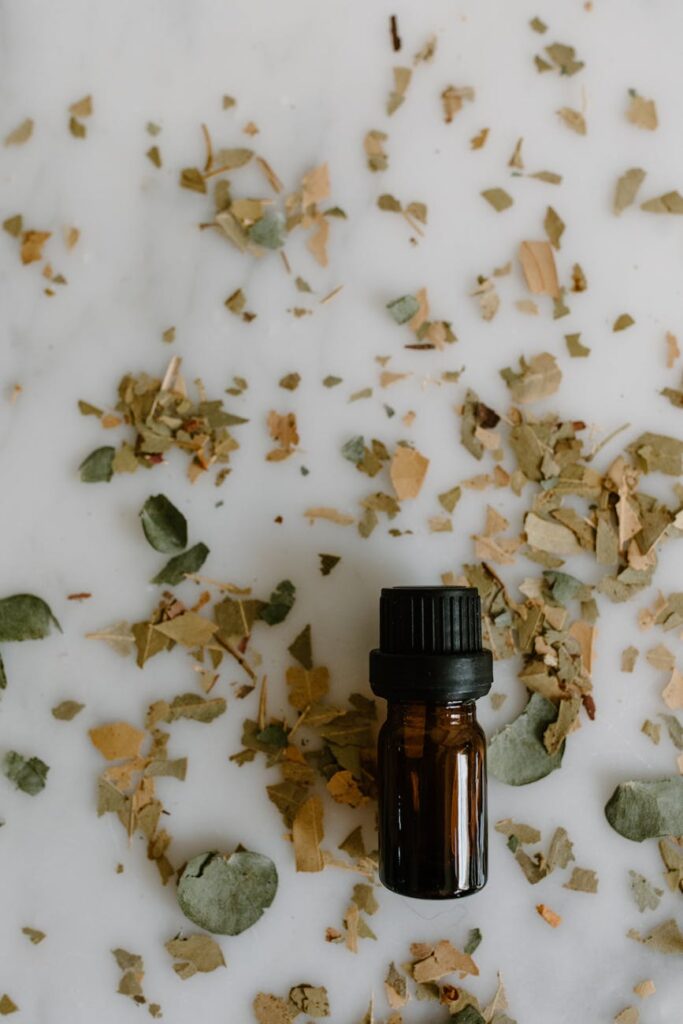
To maintain the quality of essential oils, proper storage is crucial. Store oils in dark glass bottles in a cool, dry place away from direct sunlight. Most essential oils have a shelf life of about 1 to 3 years, depending on the type of oil. Citrus oils may have a shorter shelf life due to their volatile nature, so it’s best to use them within a year.
Frequently Asked Questions
Can I use essential oil blends for children?
Yes, but it’s important to dilute oils significantly when using them on children and consult with a qualified aromatherapist or healthcare provider for appropriate blends and usage.
How often can I use essential oil blends?
Usage frequency can vary based on the method of application. Diffusing can be done several times a day, while topical applications may be limited to a few times daily depending on the individual’s sensitivity.
Are there any contraindications for essential oil use?
Yes, certain essential oils may interact with medications or exacerbate certain health conditions. Always research specific oils and consult with a healthcare provider if you have concerns.
Can I create my own essential oil blends?
Absolutely! Creating personalized blends can be a rewarding experience. Start with a base oil and gradually add other oils until you achieve a desired scent and effect.
Conclusion
Essential oil blends can offer a natural and effective way to support seasonal mood changes. By understanding the properties, applications, and safety considerations of these oils, individuals can harness their benefits to enhance emotional well-being throughout the year. Whether through diffusion, topical application, or other methods, integrating essential oils into daily routines can foster a greater sense of balance and positivity in the face of seasonal transitions.