
How to Use Essential Oil Blends for Seasonal Wellness and Emotional Resilience
Introduction
Essential oils have been utilized for centuries across various cultures for their aromatic and therapeutic properties. These concentrated plant extracts can play a significant role in promoting seasonal wellness and enhancing emotional resilience. As the seasons change, they can influence our physical and emotional states, prompting many to seek natural remedies. This article explores how to effectively use essential oil blends to support well-being throughout the year.
What Are Essential Oil Blends for Seasonal Wellness and Emotional Resilience?
Essential oil blends consist of various plant-derived oils that are combined to create a synergistic effect. Each essential oil carries its own unique properties, and when blended, they can enhance each other’s benefits. Seasonal wellness refers to the holistic approach of maintaining health and balance during different seasons, while emotional resilience is the ability to adapt to stress and emotional challenges.
The blending of essential oils allows for a customized approach to addressing specific seasonal concerns, such as allergies in spring or mood fluctuations in winter. By harnessing the power of these natural extracts, individuals can cultivate a sense of well-being and emotional support throughout the year.
Key Benefits and Properties
The benefits of using essential oil blends can vary depending on the specific oils included. Some of the key properties often sought for seasonal wellness and emotional resilience include:
- Antimicrobial Properties: Many essential oils, such as tea tree and eucalyptus, have antimicrobial effects that can help support the immune system during seasonal changes.
- Mood Enhancement: Oils like lavender and bergamot are known for their calming and uplifting properties, making them ideal for enhancing emotional well-being.
- Stress Relief: Blends that include oils like chamomile or frankincense can promote relaxation and alleviate feelings of anxiety.
- Respiratory Support: Essential oils such as peppermint and lemon are often used to support respiratory health, particularly during allergy seasons.
- Diffusion: Adding a few drops of an essential oil blend to a diffuser can disperse the aroma throughout a room, creating a calming or invigorating atmosphere.
- Inhalation: Direct inhalation from the bottle or a cotton ball can provide immediate relief or emotional support.
- Topical Application: Diluting essential oils with a carrier oil and applying them to pulse points can enhance mood and provide localized benefits.
- Bath Additives: Adding essential oil blends to bathwater can create a soothing experience that promotes relaxation and stress relief.
- Relaxing Bath Soak: Combine 5 drops of lavender and 5 drops of chamomile with Epsom salts. This soothing soak can help relieve tension and promote restful sleep.
- Stress-Relief Massage Oil: Blend 2 tablespoons of carrier oil (like sweet almond or jojoba) with 5 drops of bergamot and 5 drops of ylang-ylang for a calming massage experience.
- Dilution: Essential oils should always be diluted before topical application to prevent skin irritation. A common dilution ratio is 1-2 drops of essential oil per teaspoon of carrier oil.
- Patch Test: Before applying a new blend, conduct a patch test on a small area of skin to check for allergic reactions or sensitivities.
- Pregnancy and Children: Certain oils may not be suitable for pregnant women or young children. Always consult a knowledgeable source or professional for specific guidance.
- Quality of Oils: Choose high-quality, pure essential oils from reputable sources. Adulterated or synthetic oils may not provide the desired benefits and can pose safety risks.
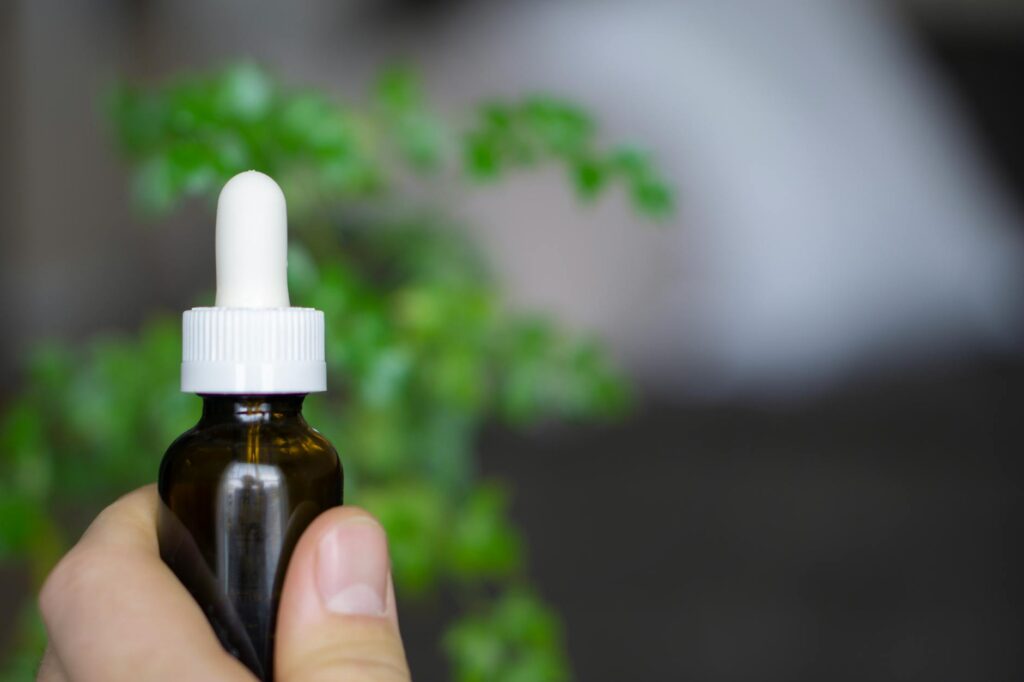
- Keep Away from Light: Store essential oils in dark glass bottles to protect them from light, which can degrade their properties.
- Cool Temperature: Store oils in a cool, dry place to prevent oxidation. Avoid areas with high heat or humidity, such as near stoves or windows.
- Check Expiry Dates: Essential oils have varying shelf lives, typically ranging from 1 to 5 years. Citrus oils usually have shorter shelf lives, while oils like cedarwood can last longer. Check for signs of degradation, such as changes in color or smell.
Common Uses
Essential oil blends can be utilized in various ways to promote seasonal wellness and emotional resilience. Here are some common applications:
Aromatherapy Applications
The practice of aromatherapy involves using essential oils for therapeutic purposes. Here are some effective applications for seasonal wellness and emotional resilience:
Diffuser Blends
1. Spring Renewal Blend: Combine equal parts of lemon, peppermint, and rosemary. This invigorating blend can help clear the mind and promote alertness as the seasons shift.
2. Summer Refresh Blend: Mix lavender, eucalyptus, and grapefruit. This combination can create a refreshing environment, helping to alleviate stress and promote relaxation during hot summer days.
3. Autumn Comfort Blend: Blend cinnamon, clove, and orange. This warm and comforting aroma can bring a sense of coziness as the days grow shorter.
4. Winter Resilience Blend: Use a mix of frankincense, cedarwood, and bergamot. This grounding blend can provide emotional support during the winter months.
Bath and Body Applications
Personal Inhalers
Creating a personal inhaler can be a convenient way to carry your favorite essential oil blend. Simply add a few drops of your chosen blend to a cotton wick inside a small inhaler tube, and use it as needed throughout the day.
Safety Considerations
While essential oils are generally considered safe when used properly, there are important safety considerations to keep in mind:
Storage and Shelf Life
Proper storage of essential oils is crucial for maintaining their quality and efficacy:
Frequently Asked Questions
1. Can I create my own essential oil blends?
Yes, you can create your own blends by combining different essential oils based on their properties and your preferences. Start with a small number of oils and experiment until you find a combination that resonates with you.
2. How do I know which essential oils to use for my needs?
Research the properties of various essential oils and consider your personal preferences. For emotional support, oils like lavender and bergamot are commonly used, while for respiratory support, eucalyptus and peppermint are popular choices.
3. How often can I use essential oil blends?
The frequency of use depends on individual tolerance and the method of application. For diffusion, you can use blends multiple times a day, while topical applications should be limited to avoid skin irritation.
4. Are there any essential oils to avoid?
Certain essential oils may not be suitable for everyone, particularly those with allergies or specific health conditions. Pregnant women and young children should exercise caution and consult with knowledgeable sources.
5. Can essential oils replace traditional medicine?
Essential oils should be viewed as complementary to traditional medicine, not as a substitute. Always consult with a healthcare professional for medical concerns.
Conclusion
Essential oil blends offer a versatile and natural approach to enhancing seasonal wellness and emotional resilience. By understanding their properties and applications, individuals can create a personalized aromatic experience that supports their overall well-being. As with any natural remedy, it is essential to approach the use of essential oils with knowledge, respect, and safety in mind.