
How to Use Essential Oil Blends for Seasonal Wellness and Immune Support in Children
Introduction
As the seasons change, so do the needs of our bodies, especially in children whose immune systems are still developing. Many parents seek natural alternatives to support their children’s health during transitional periods, particularly in spring and fall, when allergies and colds are most prevalent. Essential oils, derived from plants and known for their aromatic and therapeutic properties, have gained popularity as a gentle yet effective way to bolster wellness. This article explores essential oil blends specifically designed for seasonal wellness and immune support in children, providing insights on their benefits, uses, and safety considerations.
What Are Essential Oil Blends for Seasonal Wellness and Immune Support in Children?
Essential oils are concentrated extracts obtained from various parts of plants, including leaves, flowers, bark, and roots. Blends combine multiple essential oils to achieve synergistic effects that enhance their individual properties. For children, these blends can be tailored to support the immune system, alleviate seasonal discomforts, and promote overall well-being.
Essential oil blends for seasonal wellness might include oils known for their antiviral, antibacterial, and anti-inflammatory properties. When used appropriately, these blends can help children navigate seasonal challenges with greater ease.
Key Benefits and Properties
1. Immune Support: Certain essential oils possess properties that may help strengthen the immune system. Oils such as tea tree, eucalyptus, and lavender are known for their antimicrobial qualities, which can help the body fend off infections.
2. Respiratory Relief: Essential oils can support respiratory health by promoting clearer airways. Oils like peppermint and eucalyptus can help ease congestion and promote easier breathing.
3. Mood Enhancement: Seasonal changes can affect mood, especially in children. Citrus oils like orange and lemon are uplifting and can help combat feelings of fatigue or irritability.
4. Allergy Relief: Essential oils such as chamomile and lavender may help mitigate allergic reactions, providing comfort during allergy season.
5. Calming Effects: The right blends can promote relaxation and better sleep, which are essential for maintaining a robust immune system.
Common Uses
Essential oil blends can be used in various ways to support children’s wellness:
1. Diffusion: Adding a few drops of an essential oil blend to a diffuser can disperse the aroma throughout a room, providing respiratory support and mood enhancement.
2. Topical Application: Diluting essential oils with a carrier oil and applying them to the skin can offer localized benefits, such as soothing congestion or calming irritation.
3. Inhalation: Direct inhalation from the bottle or a cotton ball can provide quick relief and emotional support.
4. Bathing: Adding essential oils to bathwater can create a soothing and comforting atmosphere for children, promoting relaxation and wellness.
5. DIY Products: Essential oils can be incorporated into homemade wellness products, such as roller blends, balms, or sprays.
Aromatherapy Applications
Diffusion
To create a welcoming and health-promoting environment, consider diffusing essential oil blends. A recommended blend for seasonal wellness might include:
- 3 drops of lavender: Known for its calming effects.
- 2 drops of eucalyptus: Supports respiratory health.
- 2 drops of lemon: Provides uplifting properties.
- 1 drop of tea tree oil: For its antibacterial properties.
- 1 drop of chamomile oil: To soothe irritation.
- 10 drops of lavender
- 5 drops of tea tree oil
- 5 drops of lemon oil
- Keep in a Cool, Dark Place: Essential oils should be stored away from direct sunlight and heat, which can degrade their quality.
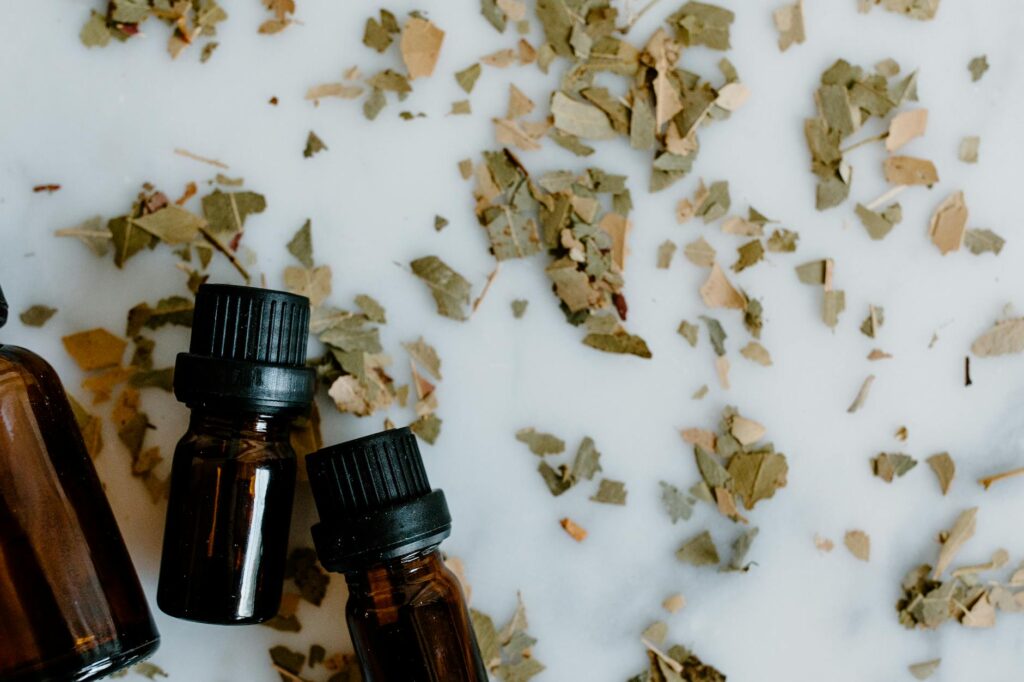
- Use Dark Glass Containers: Amber or cobalt glass bottles can help protect oils from light exposure.
- Seal Tightly: Ensure bottles are tightly sealed to prevent oxidation.
Simply add these oils to your diffuser with water and enjoy the therapeutic benefits.
Topical Application
When applying essential oils topically, it is crucial to dilute them. A common ratio for children is one drop of essential oil to a teaspoon of carrier oil like coconut or almond oil. A soothing blend for seasonal discomfort could include:
Mix these oils with a carrier oil and apply to pulse points or the chest, avoiding sensitive areas like the face.
Inhalation
For a quick boost, inhalation can be effective. Place a few drops of a respiratory support blend (e.g., peppermint and eucalyptus) on a cotton ball and allow your child to inhale gently.
Bathing
A relaxing bath can be enhanced with essential oils. Mix a few drops of lavender and chamomile in a carrier oil before adding to the bath water to create a calming experience.
DIY Products
Creating personalized wellness products can be a fun activity. Consider making a roller blend using:
Dilute in a roller bottle with a carrier oil for easy application.
Safety Considerations
While essential oils can offer numerous benefits, safety is paramount, especially when it comes to children. Here are key points to consider:
1. Dilution: Always dilute essential oils before applying them to a child’s skin to minimize the risk of irritation.
2. Age Appropriateness: Some essential oils are not suitable for young children. It’s crucial to research or consult a knowledgeable source regarding age-appropriate oils.
3. Patch Test: Before widespread application, conduct a patch test by applying a small diluted amount to a less sensitive area of skin.
4. Avoid Certain Areas: Refrain from applying essential oils to sensitive areas such as the face, near the eyes, or on broken skin.
5. Consultation: If your child has underlying health conditions or is pregnant, consult with a healthcare professional knowledgeable about essential oils before use.
6. Quality of Oils: Choose high-quality, pure essential oils from reputable sources to ensure safety and efficacy.
Storage and Shelf Life
Proper storage of essential oils is essential to maintain their potency and effectiveness. Here are some storage tips:
Generally, essential oils have a shelf life of 1 to 3 years, depending on the type. Citrus oils may have a shorter shelf life due to their high volatility.
Frequently Asked Questions
1. Can essential oils replace medical treatments?
Essential oils should be viewed as complementary to traditional medical treatments, not as substitutes. Always consult a healthcare professional for medical concerns.
2. How do I choose the right essential oil blend for my child?
Consider your child’s specific needs and preferences. Research the properties of various oils and observe how your child responds to different scents.
3. Are all essential oils safe for children?
No, not all essential oils are safe for children. Oils like peppermint and eucalyptus should be used cautiously or avoided in very young children. Research each oil’s safety profile.
4. Can essential oils be ingested?
Ingesting essential oils is generally not recommended for children unless under the guidance of a qualified healthcare professional.
5. How often can I use essential oil blends?
Using essential oil blends once or twice daily is generally safe for children, but it’s essential to monitor their reactions and adjust frequency as needed.
In conclusion, essential oil blends can be a valuable addition to your child’s seasonal wellness toolkit. By understanding their properties, uses, and safety guidelines, you can support your child’s immune health naturally and effectively. Always prioritize safety and consult resources or professionals when in doubt, ensuring that your child’s health and well-being remain the top priority.