
How to Use Essential Oil Blends for Sleep and Relaxation
Introduction
In today’s fast-paced world, achieving a restful night’s sleep and unwinding after a long day can often feel like a challenge. Many individuals are turning to natural methods to promote relaxation and enhance sleep quality. Among these methods, essential oil blends have gained popularity for their therapeutic properties and appealing fragrances. This article will explore the concept of essential oil blends specifically designed for sleep and relaxation, their benefits, common uses, and safety considerations.
What Are Essential Oil Blends for Sleep and Relaxation?
Essential oil blends are combinations of various essential oils, each chosen for its unique aromatic and therapeutic properties. When blended, these oils can work synergistically to promote relaxation and improve sleep quality. Commonly used essential oils in these blends include lavender, chamomile, bergamot, and ylang-ylang, among others. Each oil contributes its distinctive fragrance and effects, making the blend more effective than individual oils used alone.
Key Benefits and Properties
1. Promotes Relaxation
Essential oil blends can help ease tension and anxiety, making them beneficial for relaxation. Oils such as lavender and chamomile are well-known for their calming effects, helping to soothe the mind and body.
2. Supports Sleep Quality
Certain essential oils have been shown to enhance sleep quality by reducing the time it takes to fall asleep and promoting deeper sleep cycles. Blends containing sedative oils like sandalwood and marjoram can help create an environment conducive to rest.
3. Enhances Mood
Aromatherapy can influence emotional well-being. Essential oils like bergamot have uplifting properties that can alleviate feelings of stress and sadness, creating a more peaceful atmosphere for sleep.
4. Encourages Mindfulness
Incorporating essential oils into a bedtime routine can promote mindfulness and self-care, helping individuals to unwind and prepare mentally for sleep.
Common Uses
Essential oil blends for sleep and relaxation can be used in various ways to fit individual preferences and lifestyles. Here are some common methods of application:
1. Diffusion
Using a diffuser is one of the most popular methods for dispersing essential oil blends into the air. Simply add the recommended number of drops of your chosen blend to the diffuser along with water, and let the soothing aromas fill the room.
2. Topical Application
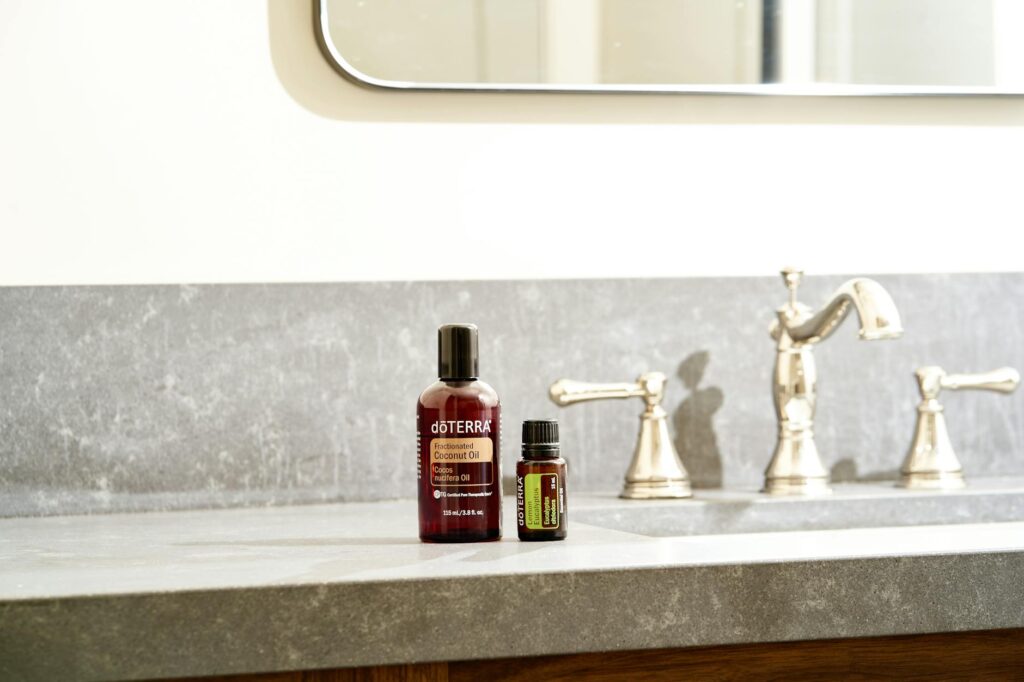
Diluting essential oil blends with a carrier oil, such as jojoba or coconut oil, allows for safe topical application. This method can be particularly effective for direct skin contact on pulse points, such as the wrists, temples, or the back of the neck.
3. Bath Additive
Adding a few drops of an essential oil blend to a warm bath can create a relaxing experience. The warmth of the water can help release the oils’ aromatic properties, enhancing relaxation.
4. Pillow Spray
Creating a pillow spray by diluting essential oils in water can help promote sleep. Spray lightly on pillows or bedding before bedtime for a soothing effect.
5. Inhalation
Inhaling essential oil blends directly from the bottle or via a cotton ball can provide instant relief. This method is especially useful for on-the-go relaxation.
Aromatherapy Applications
1. Sleep Rituals
Incorporating essential oil blends into a bedtime ritual can signal the body that it’s time to unwind. Consider diffusing your chosen blend while engaging in calming activities such as reading, journaling, or practicing gentle yoga.
2. Meditation and Mindfulness
Combining essential oils with meditation or mindfulness practices can enhance the experience. Select a calming blend to diffuse or apply topically before beginning your session, creating a serene atmosphere conducive to focus and relaxation.
3. Spa and Self-Care
Transform your home into a spa-like retreat by using essential oil blends during self-care routines. Consider using them in massages, facials, or during relaxation sessions to elevate your experience.
Safety Considerations
While essential oils are generally considered safe when used properly, it’s important to be aware of certain precautions:
1. Dilution
Always dilute essential oils with a carrier oil before applying them to the skin to prevent irritation. A common ratio is 2-3 drops of essential oil per teaspoon of carrier oil.
2. Skin Sensitivity
Perform a patch test on a small area of skin to ensure no adverse reactions occur. If irritation develops, discontinue use.
3. Pregnancy and Medical Conditions
Pregnant individuals or those with specific medical conditions should consult a qualified healthcare professional before using essential oils.
4. Quality of Oils
Choose high-quality, pure essential oils from reputable sources. Synthetic fragrances can contain harmful chemicals and may not provide the desired therapeutic effects.
5. Keep Away from Children and Pets
Store essential oils in a safe place, away from children and pets, as some oils can be toxic if ingested or improperly used.
Storage and Shelf Life
Proper storage is essential for maintaining the integrity and effectiveness of essential oil blends. Here are some guidelines:
1. Store in Dark Glass Bottles
Essential oils should be stored in dark glass bottles to protect them from light, which can degrade their quality.
2. Keep in a Cool, Dry Place
Store your essential oil blends in a cool, dry area away from direct sunlight and heat sources to prolong their shelf life.
3. Shelf Life
Most essential oils have a shelf life of 1-3 years, depending on the type of oil and storage conditions. However, blends with carrier oils may have a shorter shelf life, so it’s advisable to label bottles with the date of creation.
Frequently Asked Questions
1. Can I create my own essential oil blends for sleep and relaxation?
Yes, creating your own blends can be a rewarding experience. Start with a base oil, such as lavender or chamomile, and then add other complementary oils to suit your preferences.
2. How many drops of essential oil should I use in a diffuser?
Typically, 5-10 drops of essential oil per 100 ml of water is a good starting point, but this may vary depending on the oil and personal preference.
3. Are essential oil blends safe for children?
Some essential oils are safe for children, while others are not. Always consult a qualified professional before using essential oils around children.
4. Can essential oils help with insomnia?
While many individuals report improved sleep quality with essential oils, they should not be considered a substitute for professional medical advice or treatment for insomnia.
5. How often can I use essential oil blends?
Essential oil blends can be used daily as part of your relaxation or sleep routine, but it’s essential to monitor your body’s response and adjust usage accordingly.
Conclusion
Essential oil blends for sleep and relaxation offer a natural and enjoyable way to enhance well-being and promote restful sleep. With a wide variety of oils available and multiple methods of application, individuals can find the perfect blend that suits their needs. By understanding the benefits, common uses, and safety considerations, one can integrate these aromatic treasures into daily routines for a more peaceful and restful life.