
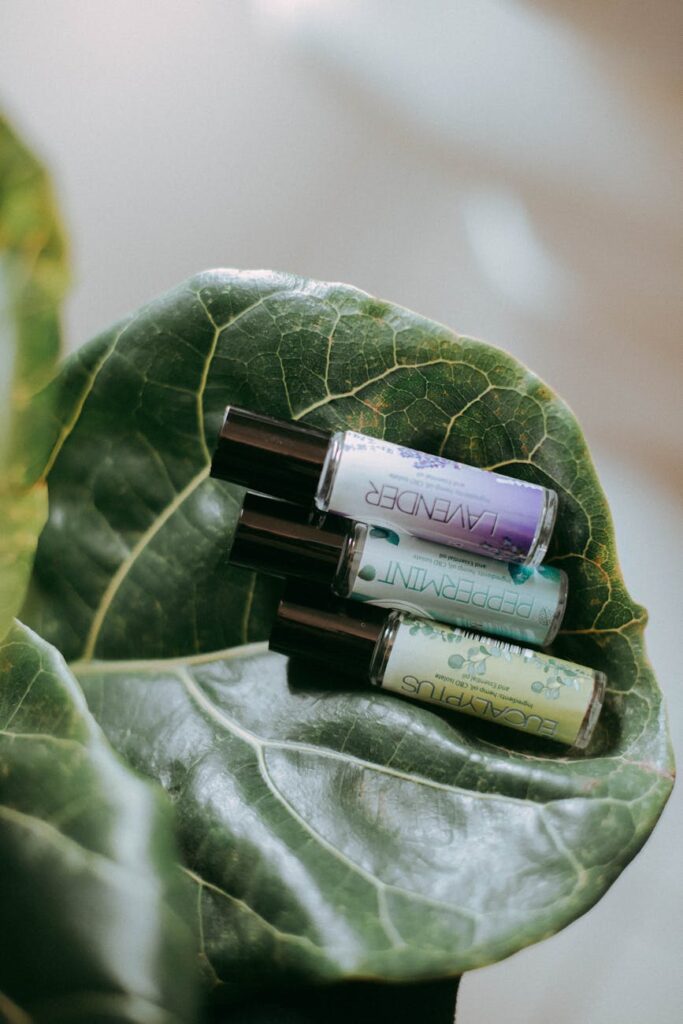
How to Use Essential Oil Blends for Sleep Quality Improvement and Aromatherapy
Introduction
In an increasingly fast-paced world, the quest for better sleep has become a priority for many. Essential oils, derived from plants, have been utilized for centuries in various cultures for their therapeutic properties, including their potential to enhance sleep quality. This article explores how to effectively use essential oil blends specifically designed to improve sleep and enhance the overall experience of aromatherapy.
What Are Essential Oil Blends for Sleep Quality Improvement and Aromatherapy?
Essential oil blends are combinations of two or more essential oils, each selected for their unique aromatic and therapeutic qualities. These blends are crafted to target specific needs, such as promoting relaxation, reducing stress, and ultimately improving sleep quality. Common essential oils used in sleep blends include lavender, chamomile, bergamot, and cedarwood, among others.
Aromatherapy, the practice of using these essential oils for therapeutic benefit, relies on the olfactory system to influence mood and emotional well-being. When inhaled or applied to the skin, the aromatic compounds in essential oils can interact with the brain’s limbic system, which is responsible for emotions and memory.
Key Benefits and Properties
The use of essential oil blends for sleep offers several benefits:
1. Promotes Relaxation: Many essential oils possess calming properties that help reduce anxiety and stress, paving the way for a restful night’s sleep.
2. Enhances Sleep Quality: Certain oils can help regulate sleep cycles, making it easier to fall asleep and stay asleep.
3. Creates a Peaceful Atmosphere: The soothing scents of essential oils can transform your sleeping environment into a tranquil sanctuary, conducive to rest and relaxation.
4. Supports Healthy Sleep Patterns: Regular use of specific blends may help reinforce healthy sleep habits over time.
5. Natural Alternative: Essential oil blends provide a natural option for sleep improvement, steering clear of synthetic medications and their potential side effects.
Common Uses
Essential oil blends can be used in various ways to promote better sleep:
- Diffusion: Using a diffuser, essential oil blends can disperse their aromatic compounds into the air, creating an inviting and relaxing atmosphere.
- Topical Application: Diluting essential oils with a carrier oil (such as coconut or jojoba oil) allows for safe application on pulse points or the bottoms of the feet.
- Bathing: Adding a few drops of essential oil blends to bathwater can create a soothing experience that prepares the body for sleep.
- Pillow Sprays: Making a pillow spray with essential oils can help create a calming scent close to your sleeping area.
- Inhalation: Simply inhaling the aroma directly from a bottle or a cotton ball can provide immediate relief and relaxation.
- Lavender: Known for its calming effects.
- Bergamot: Helpful in reducing anxiety and promoting relaxation.
- Frankincense: Often used for its grounding properties.
- Chamomile and Cedarwood: Both oils are known for their soothing properties.
- Lavender and Ylang-Ylang: Both oils are renowned for their calming effects.
- Lavender and Chamomile: A classic combination for relaxation.
- Sandalwood and Clary Sage: These oils help reduce tension.
- Dilution: Always dilute essential oils with a carrier oil before applying them to the skin to avoid irritation.
- Patch Test: Conduct a patch test on a small area of skin to check for allergic reactions.
- Pregnancy and Breastfeeding: Consult with a healthcare professional before using essential oils if you are pregnant or breastfeeding.
- Children and Pets: Some essential oils may not be safe for use around children or pets. Research thoroughly or consult a professional.
- Medical Conditions: If you have existing health conditions or are taking medication, seek guidance before using essential oils.
- Storage: Essential oils should be stored in a cool, dark place away from direct sunlight. Amber or cobalt blue glass bottles are ideal for protecting oils from light.
- Shelf Life: Most essential oils have a shelf life of 1-3 years, depending on the oil. Citrus oils tend to have shorter shelf lives, while oils like sandalwood may last longer. Regularly check for changes in scent or consistency to determine if an oil has gone bad.
Aromatherapy Applications
When utilizing essential oil blends for sleep, consider the following applications:
1. Diffusers
Diffusers are one of the most popular methods of using essential oils. For sleep improvement, consider blends that include:
How to Use: Add a few drops of your chosen blend to a diffuser filled with water according to the manufacturer’s instructions. Set it to run for an hour before bedtime.
2. Topical Application
For topical use, always dilute essential oils with a carrier oil. Popular blends for sleep may include:
How to Use: Mix 2-3 drops of the essential oil blend with a tablespoon of carrier oil. Massage the blend onto the wrists, neck, or the soles of the feet before bed.
3. Bath Soaks
A warm bath infused with essential oils can be a delightful pre-sleep ritual. Suggested blends include:
How to Use: Add 5-10 drops of the essential oil blend to a warm bath, ensuring it is well mixed to avoid skin irritation.
4. Pillow Sprays
Creating a pillow spray can be a simple and effective way to incorporate essential oils into your sleep routine:
How to Use: Mix 1 cup of distilled water with 10-15 drops of your chosen essential oil blend in a spray bottle. Lightly mist your pillow and bedding before sleep.
5. Inhalation
For quick relief, inhalation can be an effective method:
How to Use: Place a few drops of the essential oil blend on a cotton ball or tissue and inhale deeply before bed.
Safety Considerations
While essential oils are generally safe, certain precautions should be taken:
Storage and Shelf Life
Proper storage is essential to maintain the potency and effectiveness of essential oil blends:
Frequently Asked Questions
1. Can essential oils really help improve sleep quality?
While many people report positive experiences with essential oils, scientific evidence varies. Aromatherapy can promote relaxation and create a calming environment, which may contribute to better sleep.
2. How long does it take for essential oils to work?
The effects can vary from person to person. Inhalation may provide immediate benefits, while topical applications might take longer to show effects.
3. Are there any essential oils that should be avoided for sleep?
Certain oils, like peppermint or eucalyptus, may be stimulating and are generally not recommended for bedtime use. Always research the properties of an essential oil before use.
4. Can I mix my own essential oil blends?
Absolutely! Experimenting with different combinations can be enjoyable. Start with small amounts and gradually adjust to find your perfect blend.
5. How can I make my sleep environment more conducive to using essential oils?
Consider incorporating calming colors, soft lighting, and minimizing noise to create a peaceful atmosphere. Using essential oil diffusers, candles, or sprays can further enhance the ambiance.
Conclusion
Incorporating essential oil blends into your nightly routine can provide a natural, aromatic way to enhance sleep quality. By understanding the properties, applications, and safety considerations of these oils, you can create a personalized approach to aromatherapy that supports your sleep goals. Whether you choose to diffuse, apply topically, or enjoy a relaxing bath, the power of essential oils can play a significant role in improving your overall well-being and sleep quality.