
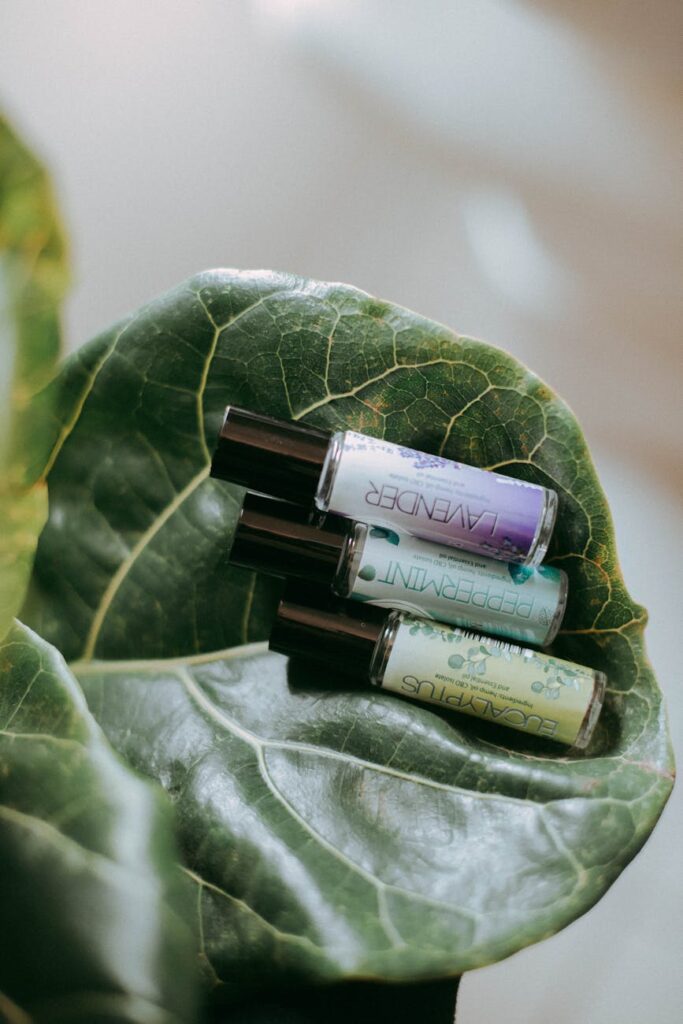
How to Use Essential Oil Blends for Sleep Quality Improvement and Relaxation
Introduction
In the fast-paced world we live in, achieving restful sleep and relaxation can often seem like a distant goal. Essential oil blends have emerged as a natural remedy for enhancing sleep quality and promoting relaxation. This article delves into the world of essential oils, elucidating their properties, benefits, and various applications aimed at improving sleep and fostering a tranquil environment.
What Are Essential Oil Blends for Sleep Quality Improvement and Relaxation?
Essential oil blends are combinations of different plant-derived essential oils, each possessing unique properties that can aid in relaxation and sleep. These blends harness the aromatic compounds of plants to create synergistic effects, enhancing their overall efficacy. Common oils used for sleep improvement include lavender, chamomile, cedarwood, and bergamot, among others.
When combined thoughtfully, these oils can amplify their individual qualities, working harmoniously to create a soothing atmosphere conducive to rest. The pleasant aromas from these blends can stimulate the olfactory system, triggering responses that promote relaxation.
Key Benefits and Properties
1. Relaxation: Many essential oils possess calming properties that can help reduce stress and anxiety, setting the stage for a peaceful night’s sleep.
2. Sleep Inducement: Certain oils are known for their sedative effects, which can help shorten the time it takes to fall asleep and improve overall sleep quality.
3. Mood Enhancement: Aromas from essential oil blends can positively influence mood, reducing feelings of irritability and promoting a more balanced emotional state.
4. Respiratory Support: Some essential oils can help clear nasal passages and improve breathing, contributing to more restful sleep.
5. Muscle Relaxation: The soothing properties of specific oils can help alleviate tension and discomfort, further aiding in relaxation.
Common Uses
Essential oil blends can be utilized in various forms and methods, each catering to personal preferences and specific needs:
- Diffusion: Using an essential oil diffuser can disperse the aroma throughout a room, creating a calming environment.
- Topical Application: Blending essential oils with a carrier oil (such as coconut or jojoba oil) allows for safe application on the skin, particularly on pulse points or areas of tension.
- Bathing: Adding essential oil blends to bathwater can enhance relaxation, allowing for a soothing, aromatic experience.
- Inhalation: Direct inhalation of essential oils from a bottle or a tissue can provide immediate benefits, making it an effective quick-relief method.
- Sleep Accessories: Incorporating essential oil blends into pillows, sleep masks, or linen sprays can create a calming atmosphere conducive to sleep.
- Ultrasonic Diffuser: This device uses water and ultrasonic waves to disperse essential oils into the air, maintaining the integrity of the oils while creating a fine mist.
- Nebulizing Diffuser: This type does not use water but instead vaporizes the essential oil into tiny particles, providing a concentrated aromatic experience.
- Dilution: Always dilute essential oils with a carrier oil before applying them to the skin to avoid irritation.
- Patch Test: Conduct a patch test on a small area of skin to ensure there are no adverse reactions.
- Pregnancy and Nursing: Certain essential oils should be avoided during pregnancy or while nursing. It is advisable to consult reliable sources or professionals in such cases.
- Children and Pets: Some essential oils can be harmful to children and pets. Always research specific oils to ensure they are safe for use around your family and animals.
- Quality of Oils: Use high-quality, pure essential oils from reputable sources to ensure their efficacy and safety.
- Cool, Dark Place: Store essential oils in a cool, dark place, away from direct sunlight and heat to prolong their shelf life.
- Airtight Containers: Use dark glass containers to minimize light exposure. Ensure that the lids are tightly sealed to prevent oxidation.
- Shelf Life: Generally, essential oils can last from 1 to 5 years, depending on the type of oil. Citrus oils may have a shorter shelf life, while oils like sandalwood can last longer.
Aromatherapy Applications
The practice of aromatherapy involves the strategic use of essential oils to promote well-being. Here are some effective applications for sleep improvement and relaxation:
1. Diffusion Techniques
2. Massage
A gentle massage using diluted essential oil blends can enhance relaxation. Focus on areas such as the neck, shoulders, and back. A calming blend may include lavender, chamomile, and sweet orange oil.
3. Bath Rituals
Creating a calming bath experience can significantly improve relaxation. Add a few drops of essential oil blends to a carrier oil or milk before mixing them into bathwater to ensure even distribution.
4. Sleep Masks and Pillows
A few drops of a calming essential oil blend on a sleep mask or pillow can create a soothing aroma that promotes relaxation as you drift off to sleep.
5. Inhalation
For immediate relaxation, inhale essential oils directly from the bottle or use an inhaler for a portable option. Blends that include bergamot or ylang-ylang may be particularly effective.
Safety Considerations
While essential oils offer numerous benefits, it is essential to consider safety precautions:
Storage and Shelf Life
Proper storage is crucial for maintaining the quality of essential oil blends. Here are some guidelines:
Frequently Asked Questions
1. How do essential oils work for sleep?
Essential oils work by interacting with the olfactory system, which can affect the brain’s limbic system, directly influencing emotions, stress, and sleep.
2. Can I create my own blends?
Absolutely! Experimenting with different combinations can be enjoyable. Start with a base oil and gradually add other oils until you find a blend that resonates with you.
3. Are there specific oils that are best for sleep?
Commonly recommended oils for sleep include lavender, chamomile, vetiver, cedarwood, and bergamot. Each offers unique properties that can aid in relaxation.
4. How often can I use essential oils?
Essential oils can be used daily; however, it is advisable to take breaks or rotate oils to prevent desensitization.
5. Can essential oils replace sleep medications?
While some individuals find relief with essential oils, they should not be considered a substitute for prescribed sleep medications. Consult a healthcare provider for sleep-related concerns.
Conclusion
Essential oil blends represent a natural and holistic approach to improving sleep quality and promoting relaxation. By understanding the properties, benefits, and applications of these aromatic compounds, individuals can create a calming sanctuary conducive to restful sleep. While exploring the world of essential oils, always prioritize safety, storage, and quality to maximize their benefits. Embrace the soothing power of nature and transform your sleep experience with these fragrant blends.