
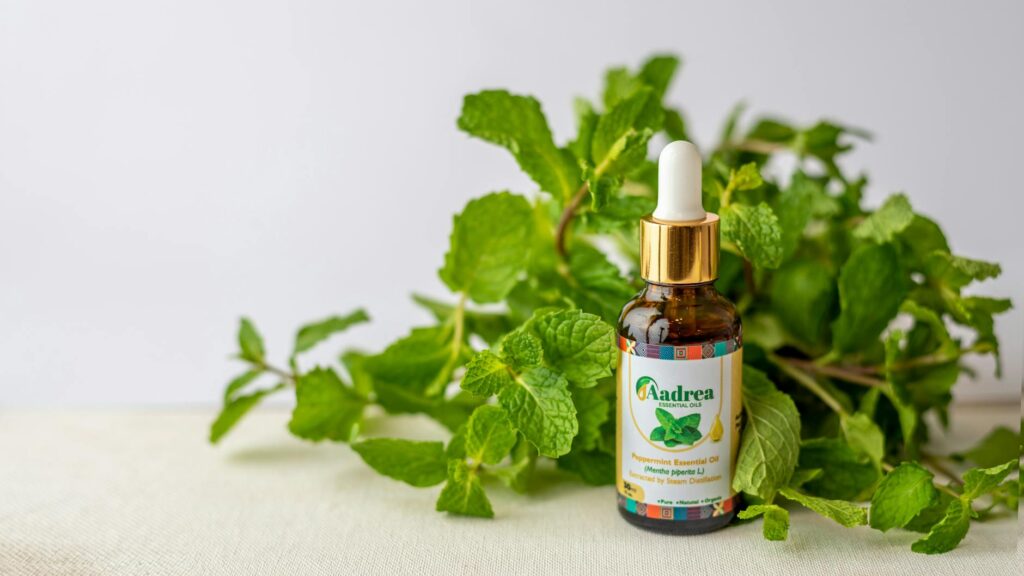
How to Use Essential Oils
Introduction
Essential oils have gained significant popularity in recent years, often hailed for their aromatic properties and potential benefits. These concentrated plant extracts can be used in various applications, from enhancing mood to promoting relaxation. This article aims to provide a comprehensive guide on how to effectively use essential oils, their benefits, and safety considerations.
What Are Essential Oils?
Essential oils are volatile, aromatic compounds extracted from various parts of plants, including flowers, leaves, stems, roots, and bark. The extraction methods include steam distillation, cold pressing, and solvent extraction, among others. Each essential oil carries a unique chemical composition that contributes to its distinct aroma and properties. For instance, lavender oil is known for its calming scent, while peppermint oil is often associated with invigoration.
Key Benefits and Properties
Essential oils are celebrated for their diverse range of properties, which can include:
1. Relaxation and Stress Relief: Oils like lavender and chamomile are often used for their calming effects, promoting relaxation and emotional balance.
2. Mood Enhancement: Citrus oils such as orange and lemon are known for their uplifting qualities, which may help improve mood and energy levels.
3. Antimicrobial Properties: Certain oils, such as tea tree and eucalyptus, possess antimicrobial properties that may help in purifying the air and supporting overall wellness.
4. Support for Skin Health: Essential oils like tea tree and frankincense are often incorporated into skincare routines due to their potential benefits for skin health.
5. Respiratory Support: Oils like eucalyptus and peppermint may aid in respiratory function, making them popular choices for diffusing during cold and flu seasons.
Common Uses
Essential oils can be employed in various ways, depending on individual preferences and desired outcomes. Below are some common uses:
Diffusion
Diffusing essential oils is one of the most popular methods. A diffuser disperses the oils into the air, allowing the scent to fill a room. This method is ideal for creating a calming atmosphere or enhancing concentration.
Topical Application
When diluted with a carrier oil, essential oils can be applied directly to the skin. Common carrier oils include jojoba oil, coconut oil, and sweet almond oil. It is crucial to perform a patch test before applying oils to larger skin areas.
Inhalation
Inhaling essential oils directly from the bottle or through a tissue can provide immediate aromatherapy benefits. This method is often used for quick relief or to enhance mood in a short period.
Bathing
Adding a few drops of essential oil to a warm bath can create a soothing experience. This method allows for both inhalation and skin absorption.
Household Uses
Essential oils can be incorporated into household cleaning products for their antimicrobial properties and pleasant scents. Oils like lemon and tea tree are often used in DIY cleaning solutions.
Cooking and Flavoring
Some essential oils, such as lemon and peppermint, are food-grade and can be used in cooking or baking. However, it is essential to ensure that the oils are labeled as safe for consumption.
Aromatherapy Applications
Aromatherapy is the practice of using essential oils for therapeutic purposes. Different methods can be employed within aromatherapy to maximize the benefits of essential oils:
Inhalation Techniques
1. Direct Inhalation: Place a drop of oil on a tissue or in your palms, rub them together, and inhale deeply.
2. Steam Inhalation: Add a few drops of essential oil to a bowl of hot water, cover your head with a towel, and inhale the steam.
3. Diffusion: Use an essential oil diffuser to disperse the oils throughout a room, creating a calming or invigorating environment.
Massage
Incorporating essential oils into massage can enhance relaxation and provide emotional benefits. Dilute essential oils in a carrier oil and use them during a massage session.
Meditation and Yoga
Essential oils can enhance mindfulness and relaxation during meditation or yoga practice. Applying oils like sandalwood or frankincense can create a serene atmosphere and improve focus.
Safety Considerations
While essential oils offer various benefits, it is essential to prioritize safety:
1. Dilution: Always dilute essential oils with a carrier oil before applying them to the skin to avoid irritation.
2. Patch Test: Conduct a patch test on a small skin area to check for any allergic reactions.
3. Avoid Sensitive Areas: Keep oils away from sensitive areas such as the eyes, mucous membranes, and open wounds.
4. Consultation: If pregnant, nursing, or taking medications, consult a healthcare professional before using essential oils.
5. Quality of Oils: Use high-quality essential oils from reputable sources to ensure purity and safety.
6. Children and Pets: Some essential oils may not be safe for children or pets. Research specific oils before use in homes with these populations.
Storage and Shelf Life
Proper storage is crucial for maintaining the quality of essential oils. Here are some guidelines:
1. Cool, Dark Place: Store essential oils in a cool, dark environment away from direct sunlight, which can degrade their quality.
2. Glass Containers: Keep oils in dark glass bottles to protect them from light and air exposure.
3. Tightly Sealed: Ensure that the bottles are tightly sealed when not in use to prevent oxidation.
4. Shelf Life: While some essential oils can last for several years, others may have a shorter shelf life. Generally, citrus oils tend to have a shorter shelf life than oils like sandalwood or patchouli.
Frequently Asked Questions
Are essential oils safe for everyone to use?
While many people can safely use essential oils, some individuals, especially those who are pregnant, nursing, or have certain medical conditions, should consult with a healthcare provider before use.
Can essential oils be ingested?
Not all essential oils are safe for ingestion. Only food-grade essential oils should be considered for culinary use, and it is advisable to consult a professional before consuming any essential oil.
How many drops of essential oil should I use in a diffuser?
The number of drops can vary based on the size of the diffuser and personal preferences. A common guideline is to use 3-10 drops of essential oil per 100 ml of water.
Can I mix different essential oils?
Yes, many essential oils can be blended to create unique scents and enhance their benefits. However, it is advisable to research compatibility and ensure that the oils complement each other.
How do I choose the right essential oil for my needs?
Choosing the right essential oil often depends on the desired effect. Research the properties and benefits of various oils to find one that aligns with your needs.
Conclusion
Essential oils offer a versatile and aromatic way to enhance well-being, create a calming environment, and support various aspects of daily life. By understanding their properties and applications, individuals can effectively incorporate essential oils into their routines. However, it is essential to prioritize safety and storage to ensure the best experience. As you explore the world of essential oils, remember to approach them with curiosity and respect, allowing nature’s gifts to enrich your life.