
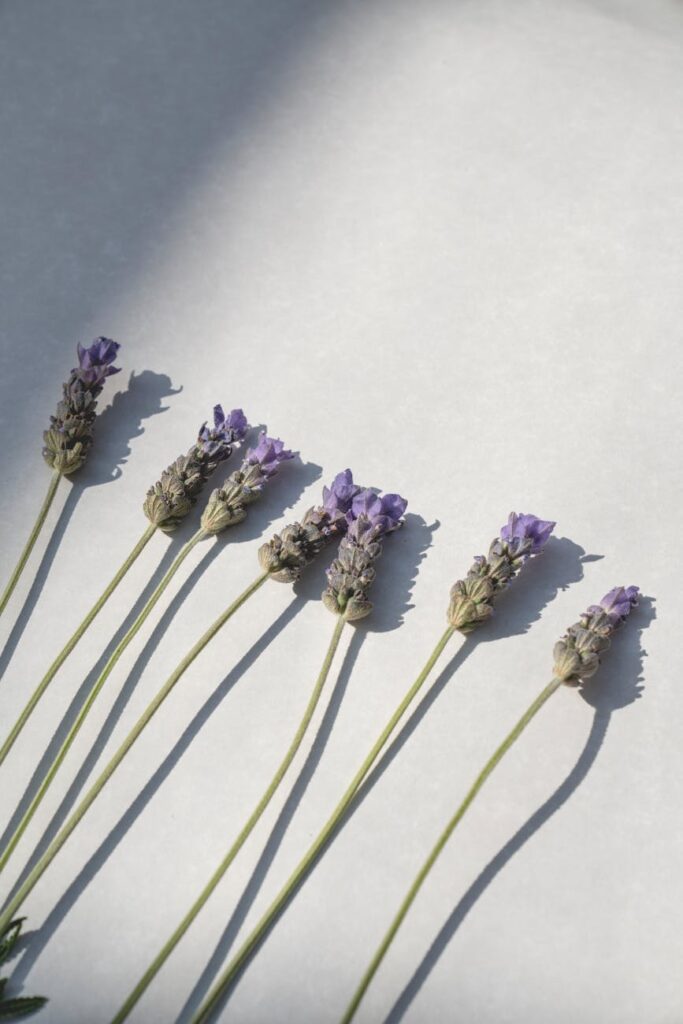
How to Use Floral Hydrosols for Antimicrobial Support
Introduction
Floral hydrosols, often referred to as flower waters, are aromatic byproducts of the steam distillation process used to extract essential oils from plants. Unlike essential oils, which are highly concentrated and potent, hydrosols are milder and more versatile, retaining the beneficial properties of the plant material while remaining gentle on the skin and body. Over recent years, the interest in natural remedies has surged, leading to a growing recognition of floral hydrosols for their potential antimicrobial support. This article delves into the characteristics, benefits, and practical applications of floral hydrosols, providing a comprehensive guide for those interested in incorporating them into their wellness routines.
What Are Floral Hydrosols for Antimicrobial Support?
Floral hydrosols are produced during the distillation of plant materials, particularly flowers, and contain a variety of phytochemicals, including volatile compounds, phenolics, and organic acids. These compounds can exhibit antimicrobial properties, making hydrosols an appealing option for those seeking natural alternatives to synthetic antimicrobial agents. Common floral hydrosols include rose, lavender, chamomile, and peppermint, each with unique characteristics and potential benefits.
The antimicrobial support offered by floral hydrosols is attributed to their ability to inhibit the growth of microorganisms, including bacteria, fungi, and viruses. This is particularly valuable in holistic wellness practices, where individuals may seek to enhance their immune defenses or mitigate the risk of infections.
Key Benefits and Properties
1. Gentle on the Skin: Floral hydrosols are typically less irritating than essential oils, making them suitable for direct application on the skin. They can be used as toners, facial mists, or soothing compresses.
2. Antimicrobial Activity: Many floral hydrosols possess natural antimicrobial properties, which can help in cleansing the skin and preventing infections. For example, lavender hydrosol has been noted for its ability to fight against certain bacteria.
3. Anti-inflammatory Effects: Several hydrosols, such as chamomile, are known for their anti-inflammatory properties, aiding in the reduction of redness and swelling associated with skin irritations.
4. Aromatherapy Benefits: The aromatic properties of floral hydrosols can enhance mood and promote relaxation, contributing to overall well-being. The soothing scents can also help alleviate stress and anxiety.
5. Hydration: Hydrosols can provide hydration and nourishment to the skin, making them an excellent choice for those with dry or sensitive skin.
Common Uses
Floral hydrosols can be utilized in various ways, catering to different needs and preferences:
- Facial Toners: Hydrosols can be applied directly to the skin as a refreshing toner. They help to balance the skin’s pH and prepare it for subsequent skincare products.
- Room Sprays: A hydrosol can be used as a natural air freshener, creating a pleasant ambiance while also potentially purifying the air.
- Compresses: Soaking a cloth in a hydrosol and applying it to the skin can provide immediate relief for minor irritations or inflammation.
- Bath Additives: Adding hydrosols to bath water can enhance the bathing experience, providing both aromatic and therapeutic benefits.
- Hair Care: Floral hydrosols can be used as a hair mist to refresh and condition the hair, promoting a healthy scalp.
- Patch Test: Before applying a new hydrosol to the skin, conduct a patch test to check for any adverse reactions. Apply a small amount to a discreet area and wait 24 hours for any signs of irritation.
- Storage: Store hydrosols in a cool, dark place to preserve their properties. Light and heat can degrade their quality over time.
- Consultation: If you are pregnant, nursing, or have underlying health concerns, it is advisable to consult a healthcare professional before using floral hydrosols.
- Quality: Choose high-quality hydrosols from reputable sources to ensure purity and efficacy. Look for products that are organic and free from additives or preservatives.
- Use Dark Glass Containers: Dark glass helps protect hydrosols from light exposure, which can degrade their quality.
- Refrigeration: Some users choose to refrigerate their hydrosols to prolong freshness. However, this is not always necessary for all types.
- Avoid Contamination: To maintain the integrity of the hydrosol, avoid direct contact with fingers or other contaminants. Use a clean spray bottle or dropper for dispensing.
Aromatherapy Applications
In aromatherapy, floral hydrosols serve as an effective medium for delivering the benefits of plant materials. They can be incorporated into various practices:
1. Mist Blends: Combine hydrosols with essential oils to create custom mist blends. For instance, mixing lavender hydrosol with a few drops of lavender essential oil can enhance relaxation and promote better sleep.
2. Diffusion: While hydrosols are not typically used in diffusers, they can be sprayed into the air to release their aroma and therapeutic properties.
3. Meditation and Mindfulness: Using floral hydrosols in a meditation practice can enhance the experience, inviting a calming atmosphere that aids focus and relaxation.
4. Massage: Hydrosols can be blended with carrier oils for use in massages, providing both aromatic and therapeutic benefits to the recipient.
Safety Considerations
While floral hydrosols are generally safe for use, it is essential to observe the following precautions:
Storage and Shelf Life
The shelf life of floral hydrosols can vary depending on the specific type and storage conditions. Generally, when stored properly in a cool, dark place, most hydrosols can last from six months to two years. To extend their shelf life:
Frequently Asked Questions
1. Can I use floral hydrosols internally?
Floral hydrosols are primarily intended for external use. While some practitioners may use certain hydrosols internally, it is essential to consult with a qualified professional before doing so.
2. How do I choose a floral hydrosol for my needs?
Consider your specific needs and preferences, as different hydrosols offer various benefits. For instance, rose hydrosol is excellent for hydration and skin soothing, while tea tree hydrosol may be more suitable for its antimicrobial properties.
3. Are there any side effects associated with floral hydrosols?
Most individuals can use floral hydrosols without adverse effects. However, rare allergic reactions may occur. Always conduct a patch test before using a new product.
4. Can I mix different floral hydrosols together?
Yes, mixing different floral hydrosols can create unique blends that may enhance their combined benefits. Experiment with small quantities to find your preferred combinations.
5. How should I store my floral hydrosols?
Store hydrosols in a cool, dark place, preferably in dark glass containers. Avoid exposure to light and heat to prolong their shelf life.
Conclusion
Floral hydrosols present a gentle yet effective option for those seeking antimicrobial support in their holistic wellness practices. With a range of applications, from skincare to aromatherapy, these versatile plant waters can enhance well-being while providing natural antimicrobial properties. By understanding their benefits and proper usage, individuals can make informed choices and incorporate floral hydrosols into their daily routines. As always, prioritize quality and safety when selecting hydrosols to ensure the best results.