
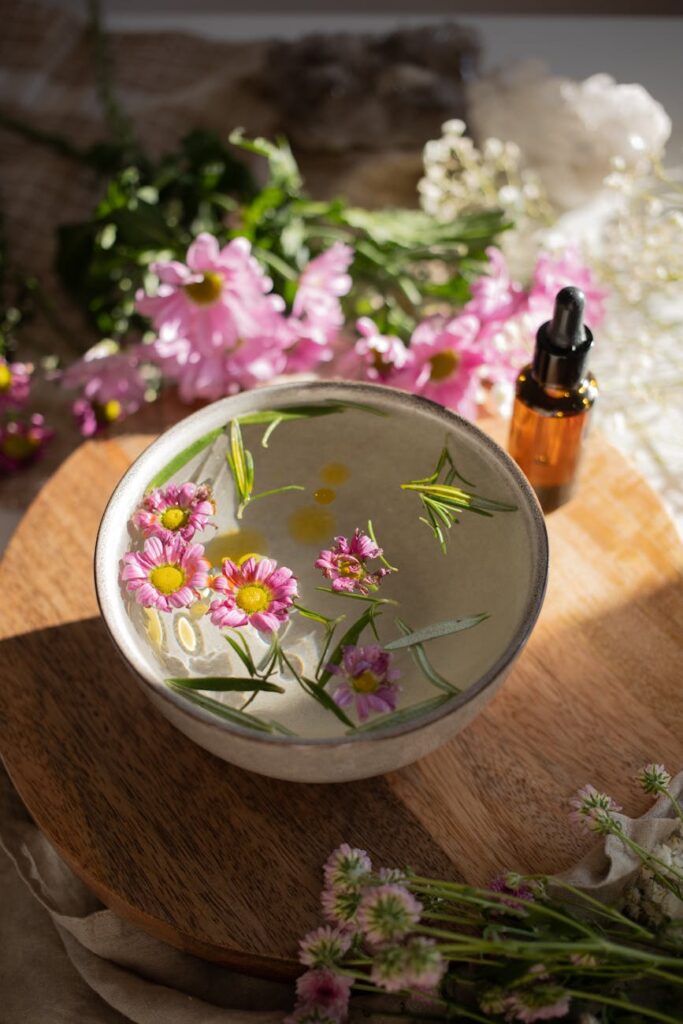
How to Use Floral Hydrosols for Eye Care
Introduction
Floral hydrosols, often referred to as flower waters, are aromatic by-products derived from the steam distillation of plants, primarily flowers. While essential oils are well-known for their concentrated aromatic properties, hydrosols offer a gentler, water-based alternative with a variety of applications, particularly in skincare and wellness. Among their many uses, floral hydrosols have gained attention in the realm of eye care. This article explores the properties, benefits, and applications of floral hydrosols specifically for eye care, ensuring a comprehensive understanding of their role in promoting eye health and comfort.
What Are Floral Hydrosols for Eye Care?
Floral hydrosols are created during the steam distillation process, in which water vapor captures the volatile components of plants. Once the steam cools and condenses, it separates into two parts: essential oil and hydrosol. The hydrosol retains a small percentage of the essential oil’s properties, alongside water-soluble constituents that can be beneficial for various skin types and conditions.
In the context of eye care, floral hydrosols can soothe, hydrate, and refresh the delicate skin around the eyes. Their gentle nature makes them suitable for various applications, from alleviating puffiness to providing a calming effect on tired eyes.
Key Benefits and Properties
Floral hydrosols possess a range of properties that make them particularly beneficial for eye care:
1. Soothing Properties
Many floral hydrosols, such as chamomile and rose, are known for their calming effects. They can help reduce inflammation and irritation, making them suitable for sensitive skin around the eyes.
2. Hydration
Hydrosols provide a light, refreshing moisture that can hydrate the skin without the heaviness of oils. This is especially beneficial for the delicate skin around the eyes, which may often appear dry or fatigued.
3. Antioxidant Effects
Certain floral hydrosols contain antioxidants that can help protect the skin from environmental stressors. This protective quality is essential for maintaining the health and appearance of the skin around the eyes.
4. Antimicrobial Properties
Some hydrosols have natural antimicrobial properties, which can help prevent infections or soothe minor irritations in the eye area.
5. Aromatic Benefits
Beyond their topical applications, the aromatic profile of floral hydrosols can enhance emotional well-being, promoting relaxation and reducing stress—factors that can contribute to eye strain and fatigue.
Common Uses
Floral hydrosols can be incorporated into eye care routines in various ways:
1. Eye Compresses
Soaked cotton pads in floral hydrosols can be applied as compresses to soothe tired or puffy eyes. Popular options include chamomile for its calming properties and rose for its hydrating effects.
2. Facial Mists
Using floral hydrosols as facial mists can provide hydration and refreshment throughout the day. This can be especially beneficial for those who spend long hours in front of screens, helping to alleviate eye strain.
3. Makeup Remover
Floral hydrosols can act as gentle makeup removers, especially for eye makeup. Their soothing properties help cleanse without irritating the sensitive skin around the eyes.
4. Bath Soaks
Adding floral hydrosols to a relaxing bath can create a soothing atmosphere while benefiting the skin, including the area around the eyes.
5. Inhalation
Inhaling the aroma of floral hydrosols can promote relaxation and stress relief, indirectly benefiting eye health by reducing tension and fatigue.
Aromatherapy Applications
In aromatherapy, floral hydrosols can be used in conjunction with essential oils to enhance their benefits. Although hydrosols are milder, they can still carry aromatic compounds that affect mood and well-being. Here are some suggestions for their use within aromatherapy:
1. Calming Blends
Combine hydrosols like lavender or chamomile with essential oils such as bergamot or frankincense in a diffuser to create a calming environment. This can help alleviate stress, which may indirectly benefit eye health.
2. Personal Care Products
Incorporate floral hydrosols into homemade skincare formulations, such as creams or serums, specifically targeting the eye area. When blended with appropriate carrier oils and essential oils known for their skin benefits, floral hydrosols can enhance the overall efficacy of the product.
3. Relaxation Rituals
Create a relaxation ritual by using hydrosols in a facial steam or warm compress, combined with breathing exercises. This practice can help reduce eye strain and promote overall relaxation.
Safety Considerations
While floral hydrosols are generally safe for topical use, the following precautions should be observed:
1. Patch Test
Before applying any hydrosol to the eye area, it is advisable to conduct a patch test on a small area of skin to check for any adverse reactions.
2. Avoid Contact with Eyes
While hydrosols are gentle, they should not be applied directly into the eyes. Care should be taken to avoid contact with the eye surface.
3. Consultation
If you have specific eye conditions or concerns, consulting with a healthcare professional before integrating floral hydrosols into your routine is recommended.
4. Storage
Proper storage is crucial to maintain the quality of floral hydrosols. Always keep them in dark glass bottles, away from sunlight and heat, to prevent degradation.
Storage and Shelf Life
The shelf life of floral hydrosols can vary depending on the type and storage conditions. Generally, they can last anywhere from 6 months to 2 years. To ensure their longevity:
- Refrigerate: Storing hydrosols in the refrigerator can extend their freshness.
- Use Dark Bottles: Dark glass containers help protect the product from light exposure.
- Check for Changes: Always inspect for any changes in odor, color, or consistency before use. If any alterations are noted, it is best to discard the product.
Frequently Asked Questions
1. Can I use floral hydrosols if I have sensitive skin?
Yes, floral hydrosols are generally safe for sensitive skin, but it is always advisable to conduct a patch test first.
2. Are floral hydrosols suitable for all skin types?
Floral hydrosols are typically suitable for all skin types. However, specific hydrosols may cater to particular needs, such as chamomile for sensitive skin or rose for dry skin.
3. How often can I use floral hydrosols for eye care?
Floral hydrosols can be used daily as part of your skincare routine, depending on your needs and preferences.
4. Can I mix floral hydrosols with essential oils?
Yes, floral hydrosols can be mixed with essential oils to enhance their effects, but it is essential to use them appropriately and in safe dilutions.
5. Where can I buy quality floral hydrosols?
Look for reputable suppliers that specialize in natural and organic products. Ensure that the hydrosols are pure and free from additives or preservatives.
Conclusion
Floral hydrosols offer a gentle, versatile option for eye care, with numerous benefits that enhance the health and appearance of the delicate skin around the eyes. By understanding their properties, uses, and safety considerations, individuals can effectively incorporate these botanical treasures into their daily routines. Whether through soothing eye compresses, refreshing facial mists, or calming aromatherapy applications, floral hydrosols provide a holistic approach to eye care that harmonizes well-being and beauty.