
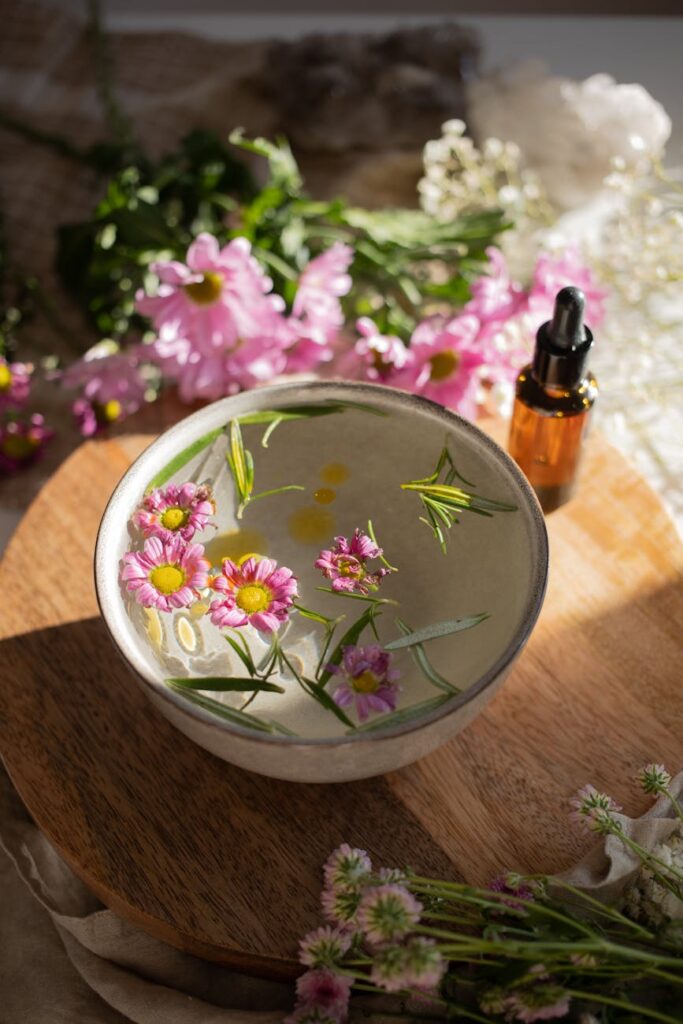
How to Use Floral Hydrosols for Hormonal Balance with Specific Flowers
Introduction
Floral hydrosols, often referred to as flower waters, are aromatic waters produced during the steam distillation of essential oils. Unlike essential oils, hydrosols are gentler and can be used safely in a variety of applications, including skincare, culinary uses, and even in aromatherapy. This article explores the use of floral hydrosols specifically for hormonal balance, highlighting several key flowers known for their beneficial properties.
What Are Floral Hydrosols for Hormonal Balance with Specific Flowers?
Floral hydrosols contain the water-soluble components of the plant, including trace amounts of essential oils and a variety of beneficial compounds. They are less concentrated than essential oils, making them suitable for direct application to the skin, ingestion in small amounts, or use in diffusers.
When it comes to hormonal balance, specific flowers have been recognized for their potential to support various aspects of hormonal health. The following flowers are commonly associated with hormonal balance:
- Rose (Rosa damascena): Known for its soothing properties and ability to alleviate stress.
- Lavender (Lavandula angustifolia): Widely appreciated for its calming effects and ability to regulate mood.
- Geranium (Pelargonium graveolens): Valued for its potential to support emotional well-being and skin health.
- Chamomile (Matricaria chamomilla): Renowned for its anti-inflammatory and calming properties.
- Clary Sage (Salvia sclarea): Often linked to hormonal regulation and reproductive health.
Key Benefits and Properties
1. Emotional Well-being
Many floral hydrosols possess calming and uplifting properties that can help reduce anxiety, stress, and mood swings, which are often associated with hormonal fluctuations. For instance, rose and lavender hydrosols are frequently used to promote emotional stability.
2. Skin Health
Hormonal imbalances can manifest in skin concerns such as acne or dryness. Floral hydrosols like geranium and chamomile can support healthy skin by providing hydration and reducing inflammation.
3. Anti-inflammatory Effects
Certain floral hydrosols have anti-inflammatory properties that can aid in alleviating discomfort associated with hormonal changes. Chamomile and clary sage hydrosols are examples that may provide relief.
4. Support during Menstrual Cycles
Hydrosols derived from specific flowers can be used to support women’s health during menstrual cycles. Clary sage, in particular, is known for its potential to ease menstrual discomfort and promote hormonal balance.
Common Uses
1. Facial Toner
Floral hydrosols can be used as an all-natural facial toner. Applying rose or geranium hydrosol after cleansing can help balance the skin’s pH and provide hydration.
2. Bath Soak
Adding floral hydrosols to bathwater can create a soothing and aromatic experience. Lavender and chamomile hydrosols are particularly beneficial for relaxation.
3. Room Spray
Hydrosols can be used as a natural room spray to refresh the air. Combining lavender and rose hydrosols can create a calming atmosphere, ideal for reducing stress.
4. Compresses
Using a compress soaked in floral hydrosol can provide targeted relief. For menstrual cramps, a warm compress with clary sage hydrosol may offer comfort.
5. Culinary Uses
Some floral hydrosols, such as rose and chamomile, can be used in culinary applications. They can add a unique flavor to beverages or desserts, contributing to both enjoyment and relaxation.
Aromatherapy Applications
Aromatherapy involves the use of scents to enhance physical and emotional well-being. Floral hydrosols can be integrated into aromatherapy practices in several ways:
1. Diffusion
Floral hydrosols can be diffused in the air using a nebulizer or an ultrasonic diffuser. This method allows the gentle aroma to fill a space, promoting relaxation and emotional balance.
2. Inhalation
For a quick mood boost, inhaling from a bottle of floral hydrosol can be effective. Simply open the bottle and take a few deep breaths to enjoy the calming effects.
3. Massage
Diluting floral hydrosols in a carrier oil for massage can enhance relaxation. Lavender and chamomile hydrosols are excellent choices for a soothing massage blend.
4. Meditation and Yoga
Incorporating floral hydrosols into meditation and yoga practices can help set the mood. Spraying the mat or surrounding area with a calming hydrosol can create a serene environment.
Safety Considerations
While floral hydrosols are generally considered safe for most individuals, there are some precautions to keep in mind:
1. Skin Sensitivity
Although floral hydrosols are milder than essential oils, a patch test is recommended before applying them directly to the skin. Apply a small amount to a discreet area to check for any adverse reactions.
2. Pregnancy and Nursing
Certain flowers may have effects on hormonal levels. It is advisable for pregnant or nursing individuals to consult with a qualified healthcare professional before using floral hydrosols.
3. Allergies
Individuals with known allergies to specific plants should avoid using hydrosols derived from those plants. Always read labels carefully and choose hydrosols from reputable sources.
4. Dilution
While hydrosols are generally safe to use undiluted, some applications, particularly on sensitive skin or for children, may require dilution with water or a carrier oil.
Storage and Shelf Life
To maintain the quality and effectiveness of floral hydrosols, proper storage is essential:
1. Cool, Dark Place
Store floral hydrosols in a cool, dark place away from direct sunlight and heat sources. This helps preserve their aroma and beneficial properties.
2. Sealed Containers
Keep hydrosols in tightly sealed containers to prevent contamination. Amber or cobalt glass bottles are ideal as they protect the contents from light exposure.
3. Shelf Life
Generally, floral hydrosols have a shelf life of 1 to 3 years. However, they should be checked for any changes in aroma, color, or clarity, which may indicate spoilage.
Frequently Asked Questions
1. Can I drink floral hydrosols?
Certain floral hydrosols, such as rose and chamomile, are safe for culinary use in small amounts. However, it is essential to verify that the hydrosol is food grade and consult with a knowledgeable source if unsure.
2. How do I choose the right floral hydrosol for hormonal balance?
Consider your specific needs and preferences. For example, if you seek emotional support, rose or lavender hydrosols may be beneficial. For skin-related issues, geranium or chamomile may be more suitable.
3. Are there any side effects?
Most individuals tolerate floral hydrosols well, but some may experience skin irritation or allergic reactions. Always perform a patch test before extensive use.
4. Can floral hydrosols replace essential oils?
While floral hydrosols can complement essential oils, they do not serve as a complete substitute. Essential oils are more concentrated and may be more effective for certain applications, whereas hydrosols are gentler and can be used more liberally.
5. How should I incorporate floral hydrosols into my daily routine?
You can incorporate floral hydrosols in various ways, such as using them as a facial toner, adding them to your bath, or using them in a diffuser for aromatherapy. Experiment to find the methods that best suit your lifestyle.
Conclusion
Floral hydrosols offer a gentle, versatile approach to supporting hormonal balance through their calming and restorative properties. By understanding the benefits and applications of specific flowers, individuals can harness these natural remedies to promote emotional well-being and overall health. Always remember to use them mindfully and consult trusted sources for any specific considerations.