
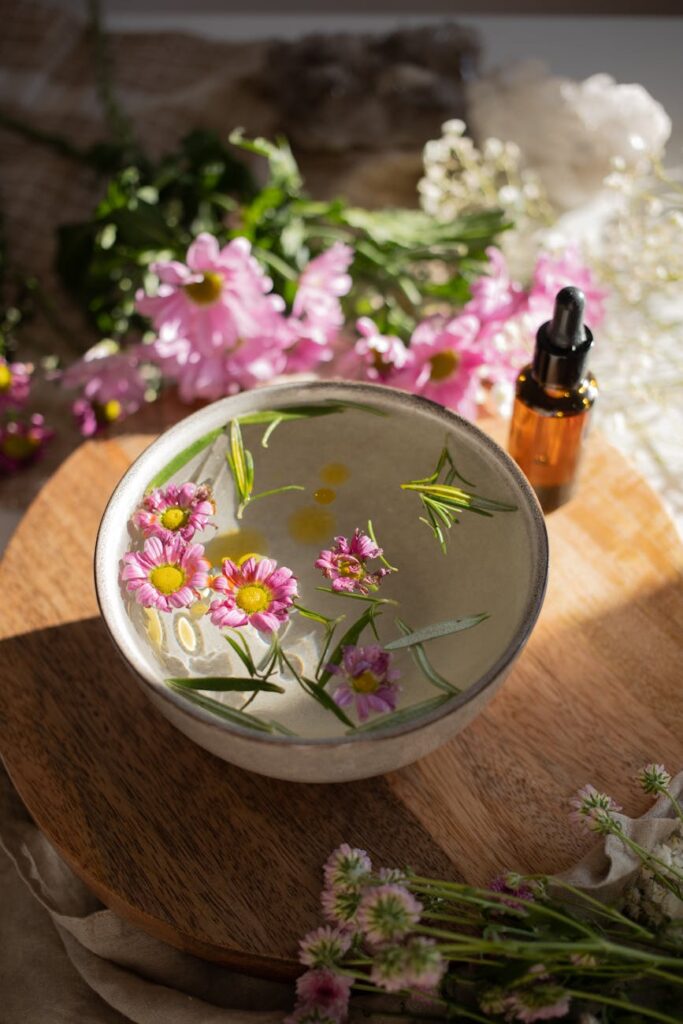
How to Use Floral Hydrosols for Hormonal Balance
Introduction
Floral hydrosols, also known as floral waters or distillates, are the aromatic waters produced during the steam distillation of essential oils. These gentle byproducts retain many of the beneficial properties of the original plant material, making them an ideal choice for those interested in natural wellness practices, including hormonal balance. This article explores the nature of floral hydrosols, their benefits, common uses, and safety considerations, providing a comprehensive guide for individuals looking to incorporate them into their daily routines.
What Are Floral Hydrosols for Hormonal Balance?
Floral hydrosols are created when steam is passed through plant material, usually flowers or leaves, extracting essential oils and aromatic compounds. Once the steam cools, it condenses back into water, resulting in a liquid that contains water-soluble components of the plant. Unlike essential oils, which are highly concentrated and potent, hydrosols are much milder, making them suitable for direct application on the skin or for ingestion in diluted forms.
Certain floral hydrosols are particularly noted for their potential to support hormonal balance. For example, rose, lavender, and geranium hydrosols are often highlighted for their calming and balancing properties. They may help alleviate symptoms associated with hormonal fluctuations, such as mood swings, irritability, and physical discomfort.
Key Benefits and Properties
1. Calming and Soothing
Many floral hydrosols possess calming properties that can help alleviate stress and anxiety, which can be beneficial during times of hormonal imbalance. For instance, lavender hydrosol is renowned for its ability to promote relaxation, making it a popular choice for those experiencing heightened emotional responses.
2. Anti-inflammatory Effects
Certain hydrosols, such as chamomile and rose, have anti-inflammatory properties that can help reduce physical discomfort associated with hormonal changes, such as menstrual cramps or bloating.
3. Skin Benefits
Floral hydrosols can nourish the skin and may help regulate oil production, making them suitable for various skin types. They are often used in facial toners and can assist in soothing skin irritations that may arise during hormonal fluctuations.
4. Hormonal Regulation
While more research is needed, some floral hydrosols, particularly those derived from plants like clary sage, are thought to have properties that may support hormonal balance by mimicking estrogen in the body.
Common Uses
Floral hydrosols can be employed in numerous ways to support hormonal balance:
1. Facial Toners
Using hydrosols as facial toners can help refresh and hydrate the skin, while also providing soothing benefits. They can be sprayed directly onto the face or applied with a cotton pad.
2. Bath Additives
Adding floral hydrosols to bathwater can enhance relaxation and create a calming atmosphere, perfect for unwinding during times of hormonal imbalance.
3. Room Sprays
Floral hydrosols can be used as natural air fresheners, helping to create a tranquil environment. Spraying a room with lavender or rose hydrosol can promote a sense of peace and well-being.
4. Compresses
For localized physical discomfort, hydrosol-soaked compresses can be applied to the abdomen during menstrual cycles or to areas of skin irritation.
5. Aromatherapy Diffusion
Hydrosols can be added to diffusers to release their aromatic properties into the air, enhancing mood and promoting emotional equilibrium.
Aromatherapy Applications
Incorporating floral hydrosols into aromatherapy practices can enhance their benefits. Here are a few ways to do so:
1. Blending with Essential Oils
While hydrosols are effective on their own, they can also be combined with essential oils for enhanced effects. For instance, mixing rose hydrosol with a few drops of clary sage essential oil can create a potent blend aimed at supporting hormonal health.
2. Inhalation Techniques
Inhaling the aroma of floral hydrosols can be a simple yet effective way to experience their benefits. Placing a few drops of hydrosol on a handkerchief or in a bowl of hot water can provide an instant calming effect.
3. Massage Oils
Floral hydrosols can be combined with carrier oils to create soothing massage oils. This can be particularly effective for relieving tension in the body during times of hormonal fluctuations.
Safety Considerations
While floral hydrosols are generally safe for most individuals, there are a few considerations to keep in mind:
1. Patch Testing
Before using a new hydrosol, particularly on sensitive skin, it is advisable to conduct a patch test. Apply a small amount to a discreet area and wait 24 hours to check for any adverse reactions.
2. Quality Matters
Choose high-quality, organic hydrosols to ensure they are free from synthetic additives and contaminants. Look for products that specify they are 100% pure and distilled from sustainably sourced plants.
3. Pregnancy and Nursing
While many floral hydrosols are considered safe for use during pregnancy and nursing, it is always best to consult a healthcare professional before incorporating new products into your routine.
4. Dilution
Although floral hydrosols are milder than essential oils, some may still cause irritation if used excessively. Dilution is recommended for sensitive skin or delicate areas.
Storage and Shelf Life
Proper storage is essential for maintaining the quality of floral hydrosols. Here are some guidelines:
1. Keep in a Cool, Dark Place
Store hydrosols in a cool, dark place away from direct sunlight and heat sources. This helps preserve their aromatic characteristics and effectiveness.
2. Use Glass Containers
Opt for glass containers rather than plastic, as glass is less reactive and prevents potential contamination.
3. Check Expiration Dates
Floral hydrosols typically have a shelf life of 1 to 3 years, depending on the type and storage conditions. Always check the expiration date and discard any hydrosols that appear cloudy or have an off smell.
Frequently Asked Questions
1. Can floral hydrosols be ingested?
Some floral hydrosols are safe for ingestion in small amounts, but it is crucial to consult a healthcare professional before doing so. Always ensure that the hydrosol is labeled as food-grade.
2. How often can I use floral hydrosols?
Hydrosols can be used daily, depending on personal preference and the specific hydrosol being used. They can be applied multiple times throughout the day for refreshing effects.
3. Are there any contraindications for using floral hydrosols?
While generally safe, individuals with specific allergies or sensitivities should exercise caution and consult a professional if unsure.
4. Can I mix different floral hydrosols?
Yes, blending different hydrosols can create unique aromatic profiles and enhance their benefits. Experimenting with combinations can lead to new and enjoyable uses.
Conclusion
Floral hydrosols offer a gentle and versatile option for those seeking natural support for hormonal balance. Their calming properties, skin benefits, and various applications make them a valuable addition to holistic wellness practices. By understanding their uses and safety considerations, individuals can effectively incorporate floral hydrosols into their daily routines, contributing to a sense of balance and well-being. Always remember to source high-quality products and consult professionals when necessary to ensure optimal benefits.