
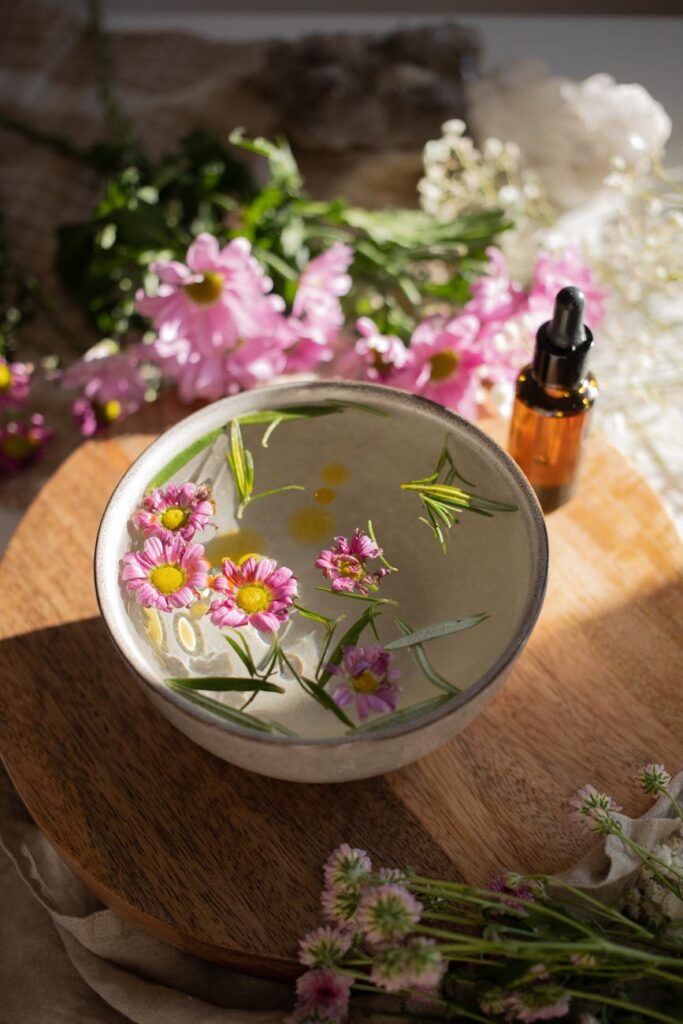
How to Use Floral Hydrosols for Immune System Boost
Introduction
Floral hydrosols, often referred to as flower waters, are the aromatic waters produced during the steam distillation of plant materials. They capture the essence of the plant while retaining water-soluble compounds that can offer a gentle yet effective means of enhancing well-being. While essential oils tend to receive more attention for their potent aromatic properties, hydrosols provide a milder alternative, making them suitable for various uses, including immune system support. This article explores the nature of floral hydrosols, their benefits, applications, and safety considerations.
What Are Floral Hydrosols for Immune System Boost?
Floral hydrosols are created as a byproduct of the essential oil extraction process. When steam passes through plant material, both essential oils and hydrosols are produced. The essential oil typically floats to the surface, while the hydrosol remains in the water. Hydrosols contain the water-soluble components of the plant, including trace elements, nutrients, and aromatic compounds.
Floral hydrosols can be used to support the immune system in various ways. Their gentle nature makes them suitable for all ages, from infants to the elderly. While they should not be seen as a replacement for medical treatments, incorporating hydrosols into a holistic wellness routine may enhance overall health.
Key Benefits and Properties
Floral hydrosols offer a range of benefits that can contribute to immune system support:
1. Antimicrobial Properties
Many floral hydrosols possess natural antimicrobial properties, which can help protect the body from opportunistic pathogens. For example, rose and lavender hydrosols have been studied for their ability to inhibit the growth of various bacteria and fungi.
2. Anti-Inflammatory Effects
Chronic inflammation can weaken the immune system. Hydrosols like chamomile and calendula have anti-inflammatory properties that may help reduce inflammation and support overall immune health.
3. Hydration and Skin Support
Staying hydrated is essential for optimal immune function. Floral hydrosols can be used as facial mists or skin toners to hydrate the skin and maintain its barrier function, which plays a crucial role in immune defense.
4. Stress Reduction
Emotional and psychological stress can compromise the immune system. The calming scents of floral hydrosols such as lavender and bergamot can help reduce stress and promote relaxation, indirectly benefiting immune health.
5. Antioxidant Support
Many floral hydrosols contain antioxidants that can help protect cells from oxidative stress. This protection is vital for maintaining a healthy immune system.
Common Uses
Floral hydrosols can be integrated into daily life in various ways:
1. Skin Care
Hydrosols can be used as facial toners, mists, or added to creams and lotions. They help to hydrate and soothe the skin while providing antimicrobial benefits.
2. Aromatic Sprays
Hydrosols can be used in room sprays for their pleasant aromas. These sprays can enhance the ambiance of a space and provide therapeutic benefits.
3. Culinary Uses
Certain floral hydrosols, such as rose and orange blossom, can be used in culinary applications. They can add flavor to desserts, beverages, and salads while providing their unique health benefits.
4. Bath Additives
Adding floral hydrosols to baths can create a relaxing atmosphere and promote skin health. The warm water enhances the aroma, making for a soothing experience.
5. Inhalation
Floral hydrosols can be used in steam inhalation or added to diffusers to promote respiratory health. The aromatic compounds can help open airways and support respiratory function.
Aromatherapy Applications
Incorporating floral hydrosols into aromatherapy practices can enhance their benefits. Here are some ways to use them effectively:
1. Diffusion
While hydrosols are not typically used in traditional diffusers, they can be added to a bowl of hot water. The steam carries the aromatic molecules into the air, allowing for inhalation.
2. Massage
Diluting floral hydrosols in carrier oils can create a soothing massage oil that offers both emotional and physical benefits.
3. Meditation and Mindfulness
Using floral hydrosols in a meditation practice can enhance focus and relaxation. Simply spritzing a little hydrosol in your meditation space can create a calming atmosphere.
4. Personal Fragrance
Floral hydrosols can be used as a gentle, natural alternative to synthetic perfumes. Their subtle fragrance can uplift mood while providing the benefits of the plant.
Safety Considerations
While floral hydrosols are generally safe for most people, there are some considerations to keep in mind:
1. Patch Testing
Before applying any new hydrosol to the skin, it is advisable to conduct a patch test. Apply a small amount to a discreet area and wait 24 hours to check for any allergic reaction.
2. Storage
Floral hydrosols should be stored in a cool, dark place to preserve their properties. Exposure to light and heat can degrade their quality over time.
3. Pregnancy and Nursing
Although many floral hydrosols are considered safe for use during pregnancy and nursing, it’s best to consult with a healthcare provider before use to ensure safety.
4. Avoiding Certain Conditions
Individuals with specific allergies or sensitivities should exercise caution. Always consult a healthcare provider if you have concerns about using floral hydrosols, especially if you have existing health conditions.
Storage and Shelf Life
The shelf life of floral hydrosols can vary depending on the plant source and how they are stored. On average, they can last from 1 to 3 years if stored correctly. Here are some tips for optimal storage:
- Use Dark Glass Bottles: Light can degrade the quality of hydrosols. Dark glass bottles will protect them from UV exposure.
- Cool Temperatures: Store hydrosols in a cool environment to slow down degradation.
- Tightly Sealed: Ensure that the bottles are tightly sealed to prevent contamination.
Frequently Asked Questions
1. Can floral hydrosols replace essential oils?
Floral hydrosols are not a direct replacement for essential oils. They offer a milder form of the plant’s benefits and can be used alongside essential oils for a comprehensive approach to wellness.
2. Are there any contraindications for using hydrosols?
While generally safe, it’s advisable to consult with a healthcare provider if you have specific allergies, are pregnant, or are nursing.
3. How do I choose a floral hydrosol?
Look for high-quality, organic hydrosols from reputable suppliers. Ensure that the hydrosol is pure and free from additives.
4. How should I use floral hydrosols for immune support?
Incorporate them into your daily routine through skincare, culinary applications, or as calming sprays to support emotional well-being.
5. Can children use floral hydrosols?
Most floral hydrosols are safe for children, but it’s wise to consult with a healthcare provider for specific recommendations.
Conclusion
Floral hydrosols offer a gentle and versatile approach to supporting immune health. With their unique properties and myriad applications, they can easily be integrated into daily wellness routines. Whether used for skin care, aromatherapy, or culinary delights, floral hydrosols provide a natural means to enhance well-being. Always remember to prioritize quality, practice safety, and consult with healthcare professionals as needed to ensure the best experience with these aromatic waters.