
How to Use Floral Hydrosols for Meditation
Introduction
Meditation is a practice that has been embraced across cultures for centuries, serving as a means to cultivate mindfulness, foster emotional balance, and promote overall well-being. In recent years, the use of floral hydrosols in meditation has gained popularity, as their gentle scents and therapeutic properties can enhance the meditative experience. This article explores floral hydrosols, their benefits, and how to incorporate them effectively into meditation practices.
What Is Floral Hydrosols for Meditation?
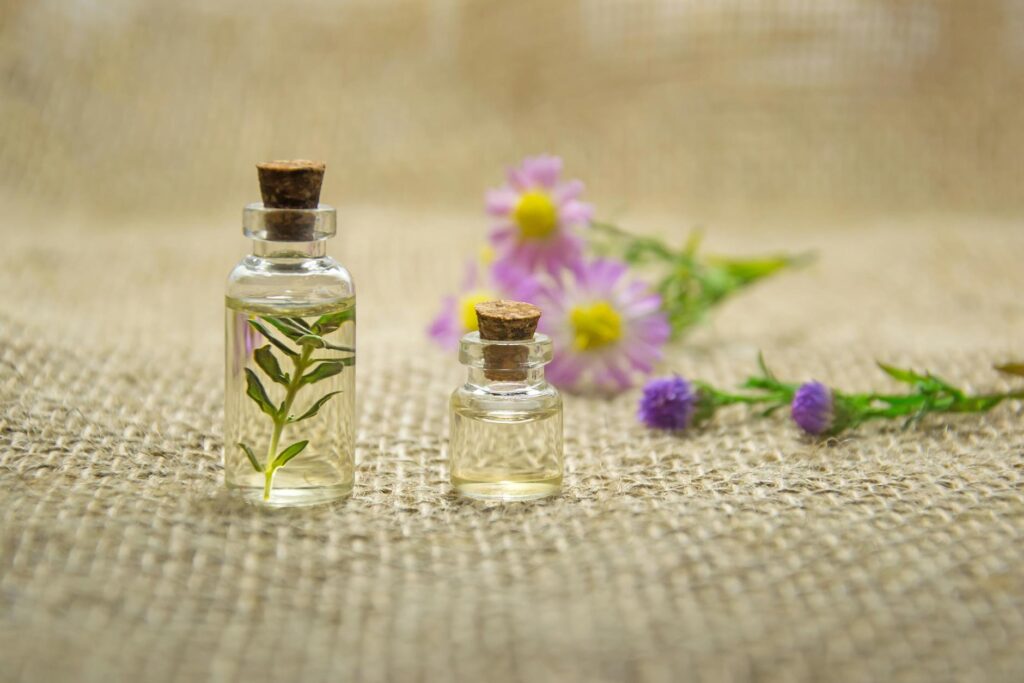
Floral hydrosols, also known as flower waters or hydrolats, are the aromatic by-products of the steam distillation process used to extract essential oils from plants. When plant materials are distilled, they release both essential oils and water-soluble compounds. The resulting hydrosol retains the essence of the plant while being more diluted than essential oils, making them gentle and suitable for a variety of applications, including meditation.
Hydrosols are typically less concentrated than essential oils, which allows them to be used directly on the skin or in the environment without the need for dilution. They carry the subtle aroma of the plant, along with its beneficial properties, making them an ideal companion for meditation practices.
Key Benefits and Properties
The benefits of using floral hydrosols during meditation span physical, emotional, and spiritual dimensions:
1. Aromatherapy Effects
The light scent of floral hydrosols can create a calming atmosphere, helping to center the mind and deepen relaxation. Each hydrosol possesses unique aromatic properties that can affect mood and emotional state.
2. Calming and Grounding
Many floral hydrosols, such as lavender and chamomile, are known for their calming effects. They can alleviate stress and anxiety, enabling a more profound meditative experience.
3. Enhancing Focus
Certain hydrosols, like rosemary and peppermint, can help enhance mental clarity and concentration, making them beneficial for meditation sessions that require focus and intention.
4. Skin Benefits
Floral hydrosols are gentle on the skin and can be used as refreshing facial mists or toners. This can add another layer of self-care to your meditation practice.
5. Spiritual Connection
Many cultures associate specific flowers with spiritual significance. Using floral hydrosols can deepen one’s connection to nature and spirituality during meditation.
Common Uses
Floral hydrosols can be utilized in numerous ways to enhance meditation experiences:
1. Facial Mists
A light spray of floral hydrosol can refresh the face and create a serene atmosphere. Misting before or during meditation can help ground and center oneself.
2. Diffusion
Using a diffuser to disperse floral hydrosols into the air can fill your meditation space with calming aromas. This can create an immersive sensory experience.
3. Bath Soaks
Adding floral hydrosols to bathwater can create a tranquil environment for meditative practices. This can be particularly beneficial for individuals who enjoy water-based meditation.
4. Sacred Space Creation
Spraying floral hydrosols around your meditation area can help to define and sanctify the space, setting the intention for mindfulness and tranquility.
5. Inhalation
Inhaling the scent directly from the bottle or from a cotton ball can provide immediate calming effects. This can be done before or during meditation to enhance the experience.
Aromatherapy Applications
When it comes to aromatherapy, different floral hydrosols have distinct properties that can influence your meditation practice:
1. Lavender Hydrosol
Known for its soothing qualities, lavender hydrosol can promote relaxation and can help alleviate feelings of anxiety. It is ideal for individuals seeking a calming environment.
2. Rose Hydrosol
Rose hydrosol is often associated with love and compassion. Its rich, floral aroma can uplift the spirit and enhance emotional healing, making it a powerful addition to meditation focused on self-love.
3. Chamomile Hydrosol
Chamomile is well-regarded for its calming effects. Its gentle scent can help soothe the mind and body, making it suitable for winding down before meditation.
4. Frankincense Hydrosol
Frankincense has a long history of use in spiritual practices. Its grounding properties can help deepen meditation and enhance spiritual connection.
5. Peppermint Hydrosol
Peppermint can invigorate the senses and enhance mental clarity. This makes it an excellent choice for meditation sessions focused on creativity or problem-solving.
Safety Considerations
While floral hydrosols are generally safe for use, it is important to consider the following:
1. Allergies
Individuals with allergies to specific plants should exercise caution and conduct a patch test before using a new hydrosol. If any irritation or adverse reaction occurs, discontinue use.
2. Quality
Opt for high-quality, organic floral hydrosols from reputable suppliers to ensure purity and effectiveness. Poor-quality hydrosols may contain additives or synthetic fragrances.
3. Pregnancy and Nursing
Certain floral hydrosols may not be suitable for pregnant or nursing individuals. It is advisable to consult a healthcare professional if you have any concerns.
4. Storage
Proper storage of hydrosols is crucial to maintain their quality. Keep them in a cool, dark place, and avoid exposing them to direct sunlight.
Storage and Shelf Life
Floral hydrosols typically have a shelf life of about 1 to 3 years, depending on the plant and storage conditions. To maximize their longevity:
1. Refrigeration: Storing hydrosols in the refrigerator can prolong their freshness.
2. Dark Glass Bottles: Opt for dark glass containers to protect against light degradation.
3. Check for Changes: Regularly check the hydrosols for changes in aroma, color, or consistency, as these may indicate spoilage.
Frequently Asked Questions
1. Can I use floral hydrosols on my skin?
Yes, floral hydrosols are generally safe for topical application due to their mild nature. They can be used as facial mists or toners.
2. How do I choose the right hydrosol for meditation?
Select a floral hydrosol based on your emotional needs and the atmosphere you wish to create. For relaxation, consider lavender; for grounding, opt for frankincense.
3. Can I mix different floral hydrosols?
Yes, blending different floral hydrosols can create a unique aromatic experience. Experiment with combinations to find what resonates best with you.
4. How often should I use floral hydrosols during meditation?
There are no strict guidelines, but using floral hydrosols regularly can enhance your meditation practice over time. Feel free to incorporate them as often as desired.
5. Are floral hydrosols safe for children?
While many floral hydrosols are safe for children, it is best to consult a healthcare professional before introducing any new product, especially for young children or those with sensitivities.
Conclusion
Floral hydrosols offer a gentle yet effective way to enhance meditation practices. By understanding their benefits, uses, and properties, individuals can create a more enriching and mindful experience. Whether used as a facial mist, in a diffuser, or as part of a sacred space, floral hydrosols can help foster tranquility and connection during meditation. As with any holistic practice, explore and experiment with various hydrosols to find those that resonate with you, and enjoy the journey towards mindfulness and self-discovery.