
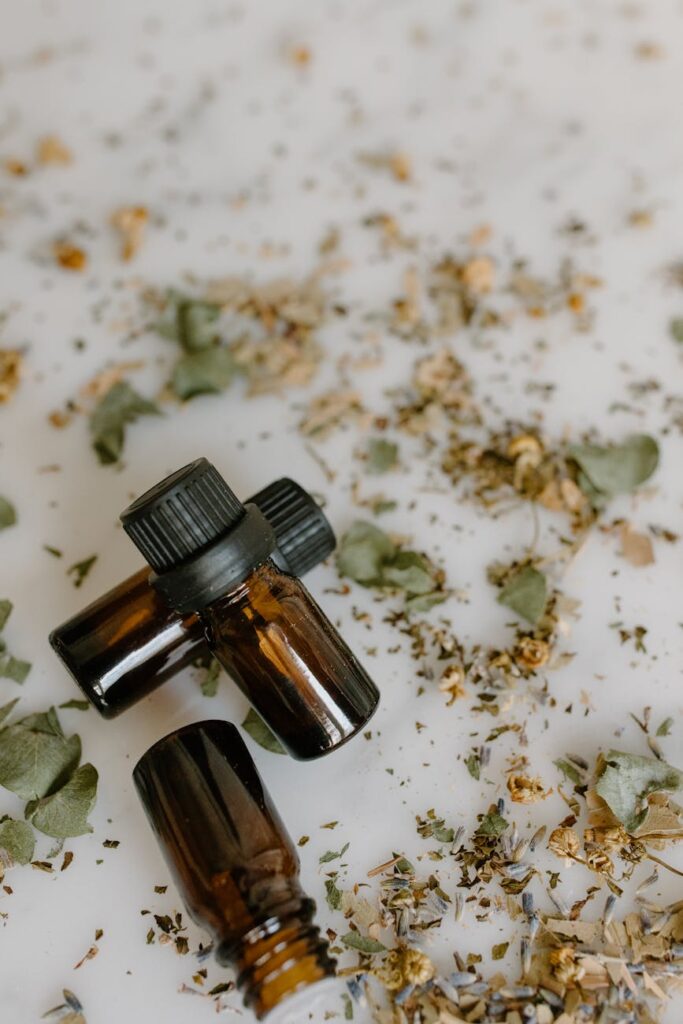
How to Use Floral Hydrosols for Pet Care
Introduction
Floral hydrosols, often referred to as floral waters, are the aromatic by-products of the steam distillation process used to extract essential oils from plants. Unlike essential oils, which are highly concentrated and potent, hydrosols are gentler and contain water-soluble components, making them suitable for various applications, including pet care. This article explores the definition of floral hydrosols, their benefits, common uses, and safety considerations, providing pet owners with insights into integrating these botanical treasures into their pet care routines.
What Are Floral Hydrosols for Pet Care?
Floral hydrosols are created during the distillation of flowers, leaves, and other plant materials. During this process, steam passes through the plant material, extracting essential oils and leaving behind a water-based solution rich in the plant’s aromatic and therapeutic properties. The resulting hydrosol contains a variety of active compounds, including antioxidants, anti-inflammatory agents, and mild astringents, which can be beneficial for pets.
Common floral hydrosols include:
- Rose Hydrosol: Known for its soothing properties and pleasant scent.
- Lavender Hydrosol: Often used for its calming effects and skin-soothing qualities.
- Chamomile Hydrosol: Valued for its gentle anti-inflammatory properties.
- Neroli Hydrosol: Derived from the blossoms of the bitter orange tree, known for its uplifting aroma.
These hydrosols can be used in a variety of ways to enhance the overall well-being of pets.
Key Benefits and Properties
Floral hydrosols possess several properties that can be particularly beneficial for pet care:
1. Gentle and Safe
Hydrosols are much milder than essential oils, making them suitable for pets, particularly small animals such as cats and dogs. Their gentle nature reduces the risk of adverse reactions.
2. Soothing Effects
Many floral hydrosols have calming properties that can help soothe anxious pets. For example, lavender hydrosol is often used to create a relaxing environment for pets during stressful situations, such as thunderstorms.
3. Skin Care
Floral hydrosols can aid in maintaining healthy skin and fur. They can be used to cleanse minor irritations or as a natural toner to refresh the skin’s surface.
4. Natural Fragrance
Hydrosols provide a natural and pleasant scent without the synthetic chemicals found in many commercial pet products. This makes them an excellent alternative for pet owners who prefer to use natural products.
5. Hydration
Floral hydrosols can help hydrate a pet’s skin and coat, offering moisture during dry seasons or in arid climates.
Common Uses
Floral hydrosols can serve various purposes in pet care, including:
1. Skin and Coat Care
Hydrosols can be sprayed directly on a pet’s coat to help soothe skin irritations or add moisture. For instance, chamomile hydrosol may be used to calm inflamed skin, while rose hydrosol can hydrate and refresh the fur.
2. Calming Sprays
A mixture of lavender hydrosol and water can be used as a calming spray for pets experiencing anxiety. Spraying the mixture in their environment or on their bedding can create a serene atmosphere.
3. Cleaning Wipes
Floral hydrosols can be incorporated into homemade pet wipes. Combining a hydrosol with a gentle, natural soap can create a cleaning solution for paws after walks or for spot cleaning.
4. Air Fresheners
Using floral hydrosols as natural air fresheners can help eliminate odors in pet spaces. A simple spray of rose or neroli hydrosol can freshen the air without harmful chemicals.
5. Bathing
Adding a few tablespoons of floral hydrosol to a pet’s bath can enhance the bathing experience, providing both fragrance and skin benefits.
Aromatherapy Applications
Aromatherapy is the practice of using aromatic plant extracts for holistic benefits. While essential oils are often used in aromatherapy, floral hydrosols can also play a significant role, especially in environments with pets.
1. Diffusion
Floral hydrosols can be used in a diffuser to create a calming atmosphere for pets. Lavender and chamomile hydrosols are particularly effective for reducing anxiety.
2. Massage
Diluting floral hydrosols with a carrier oil can create a soothing massage oil for pets. This can be particularly beneficial for older pets with joint discomfort.
3. Calm Spaces
Creating a designated calm space in the home with the help of floral hydrosols can be beneficial for pets that need a quiet retreat. Spraying the area with hydrosol can promote relaxation.
Safety Considerations
While floral hydrosols are generally safe for pet use, there are some important considerations to keep in mind:
1. Quality Matters
Always choose high-quality, organic floral hydrosols that are free from additives, preservatives, and synthetic fragrances. This ensures that the product is safe for your pet.
2. Patch Testing
Before using a new hydrosol on your pet, perform a patch test by applying a small amount to a limited area of skin. Wait 24 hours to check for any adverse reactions.
3. Dilution
For sensitive pets, consider diluting hydrosols with distilled water before application. This can help reduce the concentration of the solution and minimize potential reactions.
4. Avoid Certain Plants
Not all plants are safe for pets. While many floral hydrosols are safe, avoid using those derived from potentially harmful plants such as tea tree or eucalyptus.
5. Consult Professionals
If your pet has specific health concerns or sensitivities, consult a veterinarian or a qualified aromatherapist familiar with animal care before introducing new products.
Storage and Shelf Life
To maintain the quality and effectiveness of floral hydrosols, proper storage is essential.
1. Storage Conditions
Store hydrosols in dark glass bottles to protect them from light, which can degrade their quality. Keep them in a cool, dry place away from direct sunlight.
2. Shelf Life
Most floral hydrosols have a shelf life ranging from 6 months to 2 years, depending on the type and storage conditions. Always check for any changes in smell, color, or clarity, which may indicate spoilage.
Frequently Asked Questions
Q: Can I use essential oils instead of floral hydrosols for my pet?
A: Essential oils are highly concentrated and can be too potent for pets. Floral hydrosols are safer and milder alternatives.
Q: Are floral hydrosols safe for all pets?
A: Most floral hydrosols are safe for dogs and cats, but always check for specific sensitivities and consult a professional if unsure.
Q: How do I choose the right floral hydrosol for my pet?
A: Consider your pet’s specific needs, such as anxiety relief or skin care, and choose a hydrosol that corresponds to those needs.
Q: Can I use floral hydrosols for pets with allergies?
A: While some hydrosols may help soothe skin irritations, consult a veterinarian to ensure the chosen hydrosol is safe and appropriate for your pet’s allergies.
Q: How often can I use floral hydrosols on my pet?
A: Frequency of use can vary based on the specific hydrosol and application. Generally, using them a few times a week is acceptable, but it’s essential to monitor your pet for any reactions.
In conclusion, floral hydrosols offer a versatile and natural approach to pet care. Their gentle properties, combined with a variety of uses, make them a valuable addition to any pet owner’s toolkit. By understanding the benefits and safety considerations, pet owners can enhance their pets’ well-being with these aromatic treasures from nature.