
How to Use Floral Hydrosols for Respiratory Support
Introduction
Floral hydrosols, often referred to as flower waters, are byproducts of the steam distillation process used to extract essential oils from plants. Unlike essential oils, which are highly concentrated and potent, hydrosols are gentler and safer for everyday use. They carry the therapeutic properties of their source plants and offer a variety of applications, including support for respiratory health. This article explores the nature of floral hydrosols, their benefits, common uses, and safety considerations, providing a comprehensive understanding of their role in respiratory support.
What Is Floral Hydrosols for Respiratory Support?
Floral hydrosols are aqueous solutions that capture the essence of the plant during distillation, containing water-soluble components and trace amounts of essential oils. They are typically less potent than essential oils, making them suitable for a wider range of uses, including skin care, culinary applications, and therapeutic inhalation.
For respiratory support, certain floral hydrosols, such as lavender, chamomile, and eucalyptus, can be particularly beneficial. These hydrosols may help soothe irritated airways, reduce congestion, and promote relaxation, making them valuable allies during seasonal changes or periods of increased respiratory discomfort.
Key Benefits and Properties
Floral hydrosols offer several benefits that can aid respiratory health:
1. Mild Anti-Inflammatory Properties: Many floral hydrosols possess gentle anti-inflammatory qualities that may help soothe irritated tissues in the respiratory tract.
2. Antimicrobial Effects: Certain hydrosols exhibit antimicrobial properties, which can assist in reducing the presence of pathogens in the respiratory system.
3. Calming Effects: The aromatic compounds in floral hydrosols can promote relaxation, which may help alleviate anxiety and stress that often accompany respiratory issues.
4. Hydration: These hydrosols can provide hydration to the mucous membranes, supporting overall respiratory function.
5. Ease of Use: Floral hydrosols are safe for most individuals, including children and the elderly, making them accessible for a wide audience.
Common Uses
Floral hydrosols can be used in various ways for respiratory support:
1. Inhalation: Inhaling the aroma of floral hydrosols can help clear the airways and promote easier breathing. This can be done through direct inhalation or by adding hydrosols to a bowl of hot water for steam inhalation.
2. Room Spray: Creating a room spray with floral hydrosols can help purify the air and create a soothing environment. This is particularly useful in spaces where respiratory discomfort is prominent.
3. Compresses: Soaking a cloth in a diluted solution of floral hydrosols and applying it as a compress on the chest can provide soothing relief.
4. Bath Additive: Adding floral hydrosols to a warm bath can create a calming atmosphere and promote relaxation, which may help ease respiratory tension.
5. Skin Application: Some hydrosols can be applied topically to help soothe skin irritation caused by allergens or environmental factors that may trigger respiratory discomfort.
Aromatherapy Applications
Incorporating floral hydrosols into aromatherapy practices can enhance respiratory support. Here are some methods to consider:
Diffusion
Using a diffuser, you can disperse floral hydrosols into the air. This method allows for the gentle inhalation of their aromatic properties. Popular choices for respiratory support include:
- Eucalyptus Hydrosol: Known for its refreshing scent, eucalyptus can help clear the airways and promote deeper breathing.
- Lavender Hydrosol: Provides a calming effect and may help reduce stress, which can be beneficial when dealing with respiratory discomfort.
- Chamomile Hydrosol: Offers soothing properties that may help ease inflammation in the respiratory tract.
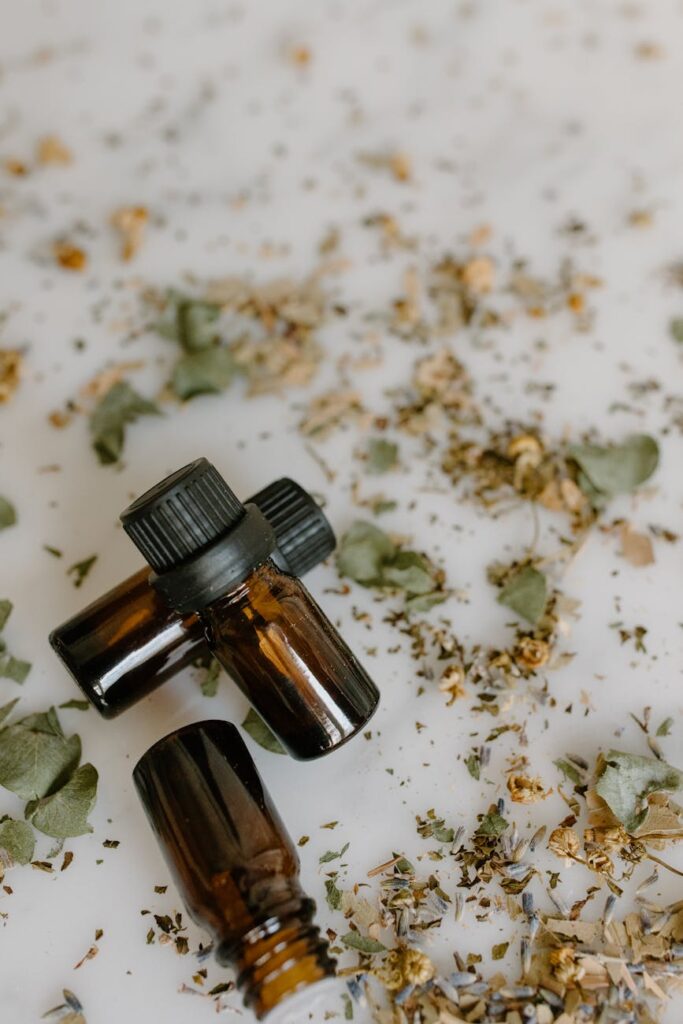
- Containers: Store hydrosols in dark glass bottles to protect them from light, which can degrade their quality.
- Temperature: Keep hydrosols in a cool environment, ideally between 50°F and 70°F (10°C to 21°C).
- Shelf Life: Most floral hydrosols have a shelf life of 1 to 3 years, depending on the plant source and storage conditions. Always check for changes in color, odor, or clarity before use.
Steam Inhalation
For a more direct approach, steam inhalation can be an effective way to benefit from floral hydrosols. To perform steam inhalation:
1. Boil water and pour it into a bowl.
2. Add a few drops of your chosen floral hydrosol.
3. Lean over the bowl, covering your head with a towel to trap the steam.
4. Inhale the steam deeply for several minutes.
Aromatic Bath
Creating an aromatic bath can be both relaxing and beneficial for respiratory support. Add 2-4 tablespoons of floral hydrosol to warm bathwater. The steam from the bath will enhance inhalation, while the warmth can help soothe muscle tension and promote relaxation.
Safety Considerations
While floral hydrosols are generally safe for most individuals, it is essential to keep the following considerations in mind:
1. Dilution: Although hydrosols are milder than essential oils, it is advisable to dilute them further when using them on sensitive skin, especially for children or those with allergies.
2. Patch Test: Conduct a patch test before applying hydrosols to the skin to check for any allergic reactions.
3. Pregnancy and Nursing: If you are pregnant or nursing, consult with a healthcare professional before using floral hydrosols.
4. Storage: Ensure that hydrosols are stored in a cool, dark place to maintain their efficacy.
5. Consultation: If you have underlying respiratory conditions or are taking medications, consult a healthcare provider before incorporating hydrosols into your routine.
Storage and Shelf Life
Proper storage is crucial for maintaining the quality of floral hydrosols. Here are some tips for optimal storage:
Frequently Asked Questions
Can floral hydrosols replace essential oils?
While floral hydrosols offer therapeutic benefits, they are not direct substitutes for essential oils. Hydrosols are milder and can be used in situations where essential oils may be too potent, especially for children or sensitive individuals.
Are floral hydrosols safe for children?
Many floral hydrosols are considered safe for children when used appropriately. However, it is advisable to consult with a healthcare provider before use, especially for younger children.
How do I choose a floral hydrosol for respiratory support?
When selecting a floral hydrosol for respiratory support, consider the specific properties of the hydrosol. Eucalyptus, lavender, and chamomile are popular choices known for their soothing and calming effects on the respiratory system.
Can I use floral hydrosols in cooking?
Some floral hydrosols are safe for culinary use, such as rose and orange blossom hydrosols. However, ensure that the hydrosols are food-grade and free from additives or preservatives.
How can I make my own floral hydrosol?
Making your own floral hydrosol is a complex process that requires steam distillation equipment and knowledge of the distillation process. It is generally more practical to purchase high-quality hydrosols from reputable suppliers.
Conclusion
Floral hydrosols provide a versatile and gentle approach to supporting respiratory health. With their mild properties and ease of use, they can be integrated into various practices, including aromatherapy, skin care, and home remedies. By understanding their benefits, applications, and safety considerations, individuals can effectively incorporate floral hydrosols into their wellness routines, promoting overall respiratory comfort and well-being.