
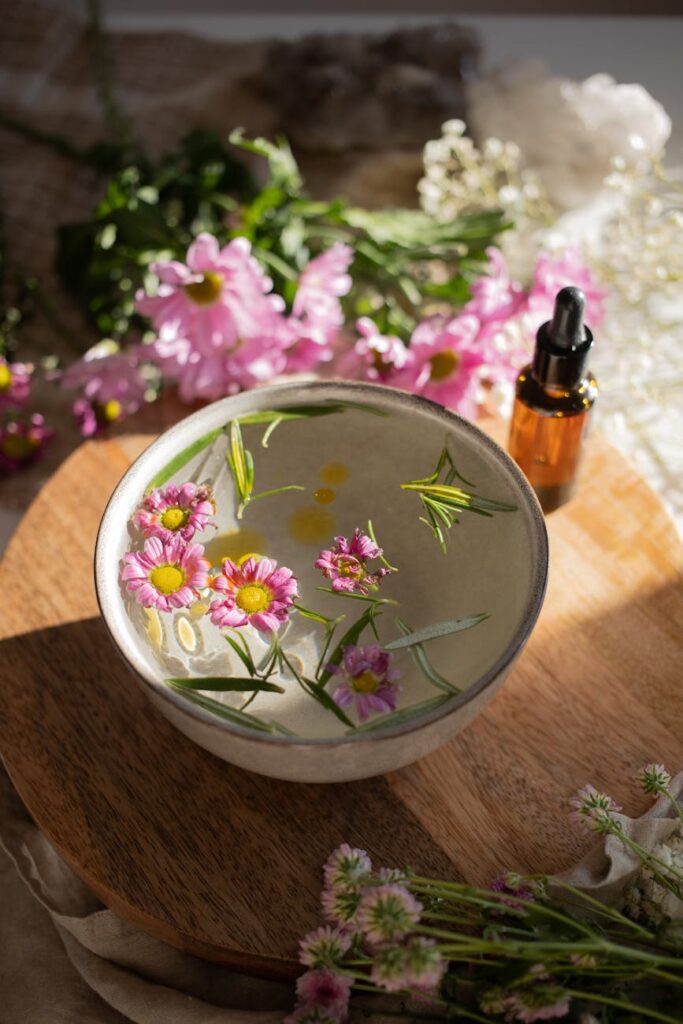
How to Use Floral Hydrosols for Scalp Health
Introduction
The world of aromatherapy is rich with various substances derived from plants, one of which is floral hydrosols. Often overshadowed by essential oils, hydrosols are gaining recognition for their gentler properties and versatile uses, particularly in promoting scalp health. This article delves into the nature of floral hydrosols, their key benefits, common applications, and safety considerations to help you better understand how to incorporate them into your hair care routine.
What Are Floral Hydrosols?
Floral hydrosols, also known as flower waters, are the aromatic waters that remain after the steam distillation of plants to extract essential oils. Unlike essential oils, which are concentrated and often potent, hydrosols are much milder and can be used directly on the skin and hair without dilution. They retain the therapeutic properties of the original plant but in a more gentle form, making them suitable for various applications, including scalp health.
Common examples of floral hydrosols include rose, lavender, chamomile, and hibiscus. Each hydrosol carries the essence of its source plant, offering unique benefits and aromas that can enhance the user experience.
Key Benefits and Properties
Floral hydrosols are celebrated for their diverse benefits, particularly for scalp health. Here are some key properties that make them valuable in hair care:
1. Hydration
Floral hydrosols are hydrating and can help maintain moisture levels in the scalp, preventing dryness and flakiness.
2. Soothing Properties
Many floral hydrosols have anti-inflammatory qualities, making them effective in soothing irritated or sensitive scalps.
3. Antiseptic Qualities
Certain floral waters possess mild antiseptic properties, helping to cleanse the scalp and reduce the risk of infections.
4. Balancing pH Levels
Hydrosols can help restore the natural pH balance of the scalp, promoting a healthier environment for hair growth.
5. Aromatherapy Benefits
The aromatic properties of floral hydrosols can help reduce stress and promote relaxation, which can indirectly benefit scalp health by preventing stress-related hair issues.
Common Uses
Floral hydrosols can be employed in a variety of ways to enhance scalp health:
1. Scalp Mist
Spraying a floral hydrosol directly onto the scalp can provide instant hydration and refreshment. This is especially beneficial in dry climates or during winter when the scalp may be prone to dryness.
2. Hair Rinse
Diluting a floral hydrosol with water and using it as a final rinse after shampooing can help enhance shine and softness while promoting scalp health.
3. Hair Mask
Incorporating floral hydrosols into homemade hair masks can enhance the therapeutic effects of the mask. Combine with ingredients like honey, yogurt, or oils to create a nourishing treatment.
4. Scalp Massage
Mixing floral hydrosols with carrier oils can create a soothing scalp massage oil. This can help increase circulation to the scalp, promoting healthier hair growth.
5. Aromatherapy Blend
Combining floral hydrosols with essential oils (diluted appropriately) can create a potent blend that not only benefits scalp health but also enhances mood and relaxation.
Aromatherapy Applications
Aromatherapy utilizes the aromatic properties of plants to enhance physical and emotional well-being. Floral hydrosols can play a vital role in this practice, particularly for scalp health. Here are some ways to incorporate them into your aromatherapy routine:
1. Diffusion
While hydrosols are not typically used in diffusers, you can create a calming atmosphere by mixing them with essential oils and using them in a diffuser. This can help enhance the overall experience and promote relaxation.
2. Inhalation
Spraying a floral hydrosol in your space or directly onto a pillow can provide a calming aroma that may help reduce stress. The soothing scent can contribute to a relaxed state, which is beneficial for overall hair health.
3. Personal Care Products
Incorporating floral hydrosols into homemade skincare and hair care products can enhance their effectiveness. They can be added to lotions, shampoos, or conditioners to provide additional benefits.
4. Meditation Rituals
Using floral hydrosols during meditation can create a serene environment, allowing for deeper relaxation and focus. This can be particularly beneficial if you experience stress-related hair issues.
Safety Considerations
While floral hydrosols are generally safe for topical use, it is essential to keep certain safety considerations in mind:
1. Patch Test
Before using a new hydrosol, conducting a patch test is advisable. Apply a small amount to an inconspicuous area of skin to check for any allergic reactions.
2. Quality Matters
Ensure you are using high-quality, pure floral hydrosols from reputable sources. Low-quality products may contain preservatives or additives that could irritate the skin.
3. Avoid Eye Contact
Although hydrosols are milder than essential oils, it is still best to avoid contact with the eyes. If contact occurs, rinse thoroughly with water.
4. Pregnancy and Nursing
Consult with a healthcare provider before using any new products, especially during pregnancy or while nursing.
Storage and Shelf Life
Proper storage is crucial to maintaining the quality and effectiveness of floral hydrosols. Here are some guidelines:
1. Cool, Dark Place
Store floral hydrosols in a cool, dark place, away from direct sunlight and heat sources. This helps prevent degradation and preserves their aromatic properties.
2. Use Dark Glass Bottles
If possible, store hydrosols in dark glass bottles to protect them from light exposure.
3. Check Expiry Dates
Most floral hydrosols have a shelf life of about 1-2 years, depending on the specific type and storage conditions. Always check for any signs of spoilage, such as changes in color, odor, or consistency.
Frequently Asked Questions
1. Can I use floral hydrosols every day?
Yes, floral hydrosols can be used daily as a scalp mist or in hair rinses. Their gentle nature makes them suitable for regular use.
2. Are floral hydrosols suitable for all hair types?
Floral hydrosols are versatile and can be beneficial for various hair types, including oily, dry, and sensitive scalps. However, individual reactions may vary.
3. Can I mix different floral hydrosols?
Yes, you can blend different floral hydrosols to create a customized scalp care solution. Experimenting with combinations can yield unique aroma and therapeutic benefits.
4. Do floral hydrosols have a shelf life?
Yes, floral hydrosols typically have a shelf life of 1-2 years. Proper storage in a cool, dark place can help extend their usability.
5. Can I use floral hydrosols as a substitute for water in hair care recipes?
Yes, floral hydrosols can be used in place of water in hair care recipes, providing added benefits and aroma.
Conclusion
Floral hydrosols offer a gentle yet effective way to promote scalp health. Their myriad benefits, from hydration to soothing properties, make them a valuable addition to any hair care routine. By understanding their uses, applications, and safety considerations, individuals can harness the power of these aromatic waters to achieve healthier hair and scalp. As interest in natural remedies continues to grow, floral hydrosols remain a wonderful option for those seeking holistic approaches to hair care.