
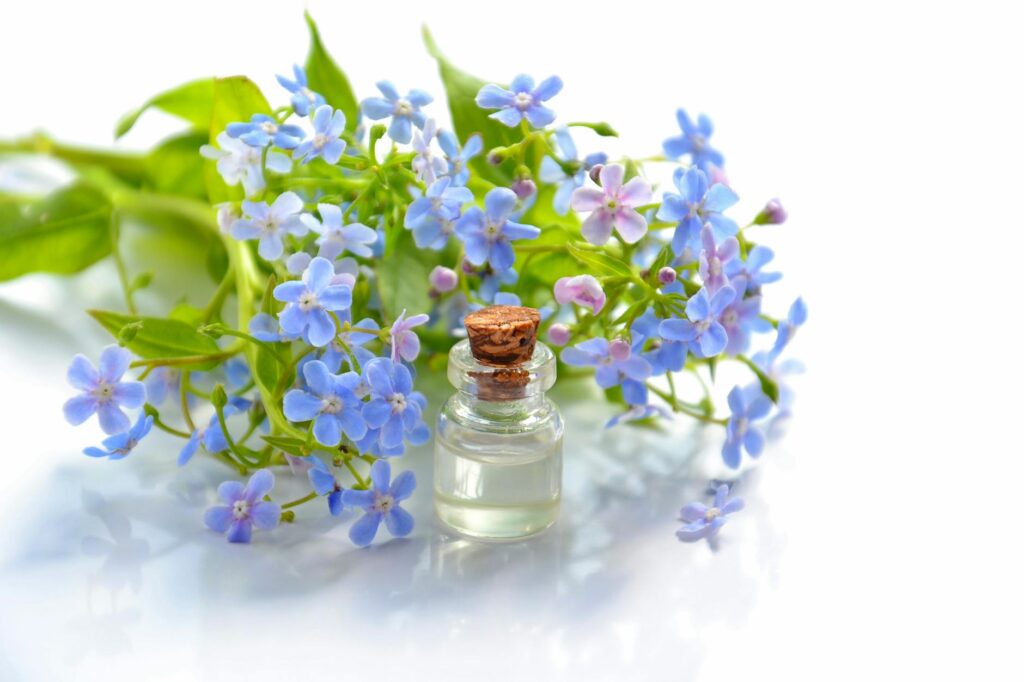
How to Use Floral Hydrosols for Scents and Fragrance Blending
Introduction
Floral hydrosols, often referred to as flower waters, are aromatic by-products of the steam distillation process used to extract essential oils from plant materials. Unlike essential oils, which are concentrated and potent, hydrosols are gentler, water-based solutions that retain many of the beneficial properties of the original plant. This article delves into the world of floral hydrosols, exploring their uses in scent and fragrance blending, their properties and benefits, and practical applications in aromatherapy.
What Are Floral Hydrosols for Scents and Fragrance Blending?
Floral hydrosols are created during the distillation of plant materials, where steam is passed through the plant, extracting essential oils and leaving behind a fragrant water enriched with the plant’s essence. Common examples include rose, lavender, and chamomile hydrosols.
In the context of scent and fragrance blending, floral hydrosols serve as versatile mediums. They can be used to create subtle fragrances, enhance blends, or as a natural base for various aromatic products. Their gentle nature makes them suitable for a wide range of applications, from personal care to home fragrance.
Key Benefits and Properties
Floral hydrosols possess numerous benefits and properties that make them valuable in fragrance blending:
1. Gentle Aroma: The scent of hydrosols is milder than that of essential oils, making them ideal for those sensitive to strong fragrances.
2. Hydrating Properties: Many floral hydrosols have natural moisturizing properties, making them an excellent choice for skincare applications.
3. Therapeutic Qualities: While not as concentrated as essential oils, hydrosols still carry the therapeutic properties of the plants. For instance, lavender hydrosol is known for its calming effects.
4. Natural and Eco-Friendly: Being plant-based and often produced through organic methods, hydrosols appeal to environmentally conscious consumers.
5. Versatility: They can be used in a variety of applications, including perfumes, room sprays, skincare products, and culinary uses.
Common Uses
Floral hydrosols have a wide array of applications across different domains:
Personal Care Products
Hydrosols can be incorporated into lotions, creams, and toners. Their hydrating properties make them beneficial for skin health. For example, rose hydrosol can be used in facial mists, providing a refreshing and soothing effect.
Home Fragrance
Floral hydrosols can serve as natural room sprays or linen sprays, offering a gentle scent that can freshen up spaces without the overpowering nature of synthetic fragrances.
Culinary Applications
Certain hydrosols, such as orange blossom or rose, are safe for culinary use and can add unique flavors to dishes or beverages.
Bath and Body Products
Hydrosols can be added to bath salts, soaks, or bath oils, enhancing the overall experience with their aromatic qualities.
Aromatherapy Applications
In aromatherapy, floral hydrosols can be used as a therapeutic means of enhancing emotional well-being and creating a calming atmosphere. Here are some ways to incorporate them into your practice:
Diffusion
Floral hydrosols can be used in diffusers, either alone or mixed with essential oils. Their gentle scent can help create a relaxing environment, making them suitable for meditation or yoga practices.
Skin Applications
Hydrosols can be sprayed directly onto the skin or added to carrier oils for massage. They can help soothe irritation and provide hydration, making them useful for post-sun exposure or after shaving.
Inhalation
Inhaling the aroma of floral hydrosols can evoke emotional responses. For example, chamomile hydrosol may help induce a sense of calm and relaxation.
Bathing Rituals
Adding hydrosols to bathwater can create a luxurious and aromatic experience. The gentle scent can enhance mood and promote relaxation during bath time.
Safety Considerations
While floral hydrosols are generally safe, some precautions should be taken:
1. Patch Test: If using a hydrosol on the skin, it’s advisable to perform a patch test first to check for any allergic reactions.
2. Storage: Proper storage is essential for maintaining the quality of hydrosols. Keep them in a cool, dark place, away from direct sunlight.
3. Consultation: For individuals with specific health concerns or pregnant women, it is recommended to consult with a qualified professional before using hydrosols.
4. Dilution: While hydrosols are milder than essential oils, they should still be used with care, particularly in sensitive areas.
Storage and Shelf Life
The shelf life of floral hydrosols varies depending on the type and quality of the hydrosol. Generally, hydrosols can last anywhere from six months to two years if stored properly. Here are some tips for storage:
1. Cool, Dark Locations: Store hydrosols in a cool, dark place to prevent degradation.
2. Glass Containers: Use dark glass bottles to protect hydrosols from light, which can promote oxidation.
3. Refrigeration: For longer shelf life, particularly in warmer climates, consider refrigerating hydrosols.
4. Check for Changes: Before use, always check for any changes in color, clarity, or scent, which may indicate spoilage.
Frequently Asked Questions
Can floral hydrosols be used in cooking?
Yes, certain hydrosols like rose and orange blossom are safe for culinary use and can add unique flavors to dishes and beverages.
How do I choose the right floral hydrosol for my needs?
Consider the properties and aroma of different hydrosols. For calming effects, lavender hydrosol may be appropriate, while rose hydrosol is ideal for its uplifting scent and skin benefits.
Can I mix different hydrosols together?
Yes, blending different floral hydrosols can create unique scents and enhance their benefits. However, start with small quantities to ensure compatibility.
Are floral hydrosols suitable for sensitive skin?
Generally, floral hydrosols are mild and suitable for sensitive skin. Nonetheless, performing a patch test is recommended before applying them more broadly.
How do I incorporate floral hydrosols into my skincare routine?
Hydrosols can be used as facial mists, added to creams or lotions, or included in homemade skincare products. They can also serve as a refreshing pick-me-up throughout the day.
Conclusion
Floral hydrosols are versatile and aromatic solutions that can enhance various aspects of daily life, from personal care to home fragrance. Their gentle nature, combined with their array of benefits, makes them a valuable addition to any fragrance blending or aromatherapy practice. By understanding their properties and applications, individuals can effectively incorporate floral hydrosols into their routines, enjoying the natural scents and benefits they provide.