
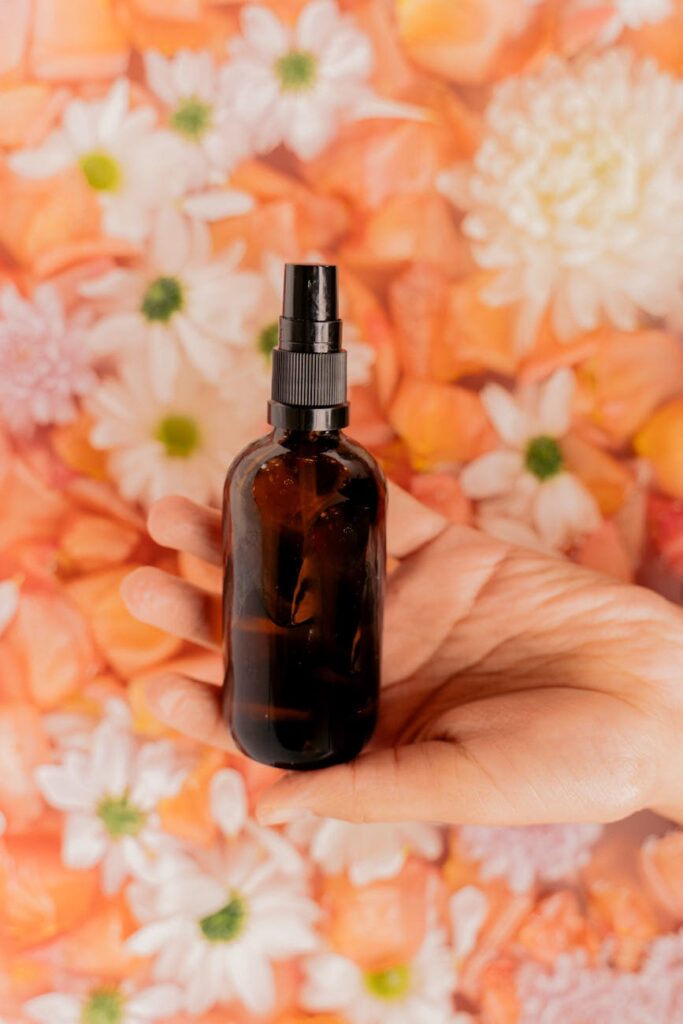
How to Use Floral Hydrosols for Skin Hydration
Introduction
Floral hydrosols, often referred to as floral waters or aromatic waters, are the byproducts of the steam distillation process used to extract essential oils from plants. Unlike essential oils, which are highly concentrated, hydrosols are gentler and retain a subtle fragrance and the therapeutic properties of the plant material. This article explores how floral hydrosols can be utilized for skin hydration, outlining their benefits, common applications, and safety considerations.
What Are Floral Hydrosols for Skin Hydration?
Floral hydrosols are created during the production of essential oils when steam passes through plant materials, causing the essential oils to evaporate. As the steam cools, it condenses into water, resulting in a liquid that contains both water-soluble compounds and a faint amount of essential oils. These hydrosols can be derived from various plants, including roses, lavender, chamomile, and more, each imparting unique characteristics and benefits.
When it comes to skin hydration, floral hydrosols can provide a refreshing and soothing mist that hydrates the skin, making them an excellent addition to daily skincare routines. They are often used as toners, facial mists, or added to creams and lotions for enhanced hydration.
Key Benefits and Properties
Floral hydrosols offer numerous benefits for skin hydration, including:
1. Hydration
Floral hydrosols can help maintain moisture levels in the skin, offering a light, refreshing layer of hydration that can be especially beneficial in dry environments.
2. Soothing Properties
Many floral hydrosols have calming and anti-inflammatory properties. For example, chamomile and lavender hydrosols can soothe irritated skin and reduce redness, making them ideal for sensitive or reactive skin types.
3. Antioxidant Effects
Certain hydrosols, such as rose and geranium, contain antioxidants that can help protect the skin from environmental stressors, contributing to a healthier appearance.
4. Gentle Cleansing
Floral hydrosols can be used to cleanse the skin without stripping it of its natural oils. This makes them suitable for all skin types, including sensitive skin.
5. Aromatic Benefits
The subtle fragrances of floral hydrosols can elevate mood and promote relaxation, contributing to a holistic skincare routine that nourishes the mind as well as the skin.
Common Uses
Floral hydrosols can be incorporated into skincare routines in various ways:
1. Facial Mists
One of the most popular uses for floral hydrosols is as a facial mist. Simply spray a light mist onto the face throughout the day for an instant boost of hydration. This is particularly refreshing after exposure to sun or wind.
2. Toners
Hydrosols can serve as natural toners, helping to balance the skin’s pH after cleansing. Apply with a cotton pad or spray directly onto the skin, allowing it to absorb fully.
3. Bath Additive
Adding floral hydrosols to bathwater can enhance the experience, providing both hydration and aromatherapy benefits. The warm water helps to disperse the hydrosol, allowing the skin to absorb its properties.
4. Hair Care
Certain floral hydrosols, such as rose or lavender, can also be used to hydrate the hair and scalp. Spray lightly onto hair to refresh curls or add moisture and shine.
5. Mixing with Creams and Lotions
Floral hydrosols can be blended with creams, lotions, or serums to enhance their hydrating properties. Simply mix a small amount of hydrosol into your favorite skincare products before application.
Aromatherapy Applications
Incorporating floral hydrosols into aromatherapy practices can enhance emotional well-being. The following methods can be used to harness their aromatic properties:
1. Diffusion
While hydrosols are not typically used in diffusers, they can be sprayed in the air to create a fragrant atmosphere. This can help promote relaxation and reduce stress.
2. Pillow Sprays
Mix a floral hydrosol with distilled water to create a calming pillow spray. Spritz lightly onto pillows or bedding before sleep to promote a restful night.
3. Meditation and Mindfulness
Using floral hydrosols during meditation can enhance the experience. The gentle aroma can help to ground and center the mind, making it easier to focus.
Safety Considerations
While floral hydrosols are generally considered safe for topical use, some precautions should be taken:
1. Patch Testing
Before using a new hydrosol, always perform a patch test by applying a small amount to a discreet area of skin. Wait 24 hours to check for any adverse reactions.
2. Allergies
Individuals with allergies to specific plants should exercise caution. Always verify the source and ingredients of the hydrosol to avoid allergic reactions.
3. Pregnancy and Nursing
Consult with a healthcare provider when considering the use of floral hydrosols during pregnancy or while nursing, as certain hydrosols may not be recommended.
4. Avoid Eye Contact
Floral hydrosols should be kept away from the eyes and mucous membranes. If contact occurs, rinse thoroughly with water.
Storage and Shelf Life
To maintain the quality and efficacy of floral hydrosols, proper storage is essential:
1. Cool, Dark Place
Store hydrosols in a cool, dark location, away from direct sunlight and heat sources. This helps to preserve their aromatic and therapeutic properties.
2. Airtight Containers
Use airtight containers, preferably glass, to minimize exposure to air and prevent contamination. This also helps maintain the integrity of the hydrosol.
3. Shelf Life
Most floral hydrosols have a shelf life of 6 months to a year, depending on the type and storage conditions. Always check for any changes in color, smell, or consistency before use.
Frequently Asked Questions
1. Can I use floral hydrosols on sensitive skin?
Yes, many floral hydrosols are gentle and suitable for sensitive skin. However, it’s recommended to perform a patch test first.
2. How often can I use floral hydrosols?
Floral hydrosols can be used multiple times a day, depending on personal preference and skin needs. They can be applied as a mist or toner whenever hydration is desired.
3. Can I mix different types of floral hydrosols?
Yes, combining different floral hydrosols can create unique blends that enhance their benefits. Experiment to find combinations that work best for your skin.
4. Are floral hydrosols the same as essential oils?
No, floral hydrosols are the byproducts of essential oil distillation and contain far lower concentrations of essential oils. They are milder and suitable for direct skin application.
5. Can I make my own floral hydrosol at home?
Yes, it is possible to make floral hydrosols at home using a steam distillation method. However, this requires specialized equipment and knowledge of the distillation process.
Conclusion
Floral hydrosols are versatile, gentle, and effective options for skin hydration and care. Their soothing properties, aromatic characteristics, and compatibility with various skin types make them an invaluable addition to any skincare regimen. By understanding how to use and incorporate floral hydrosols effectively, you can enhance your skincare routine and enjoy the myriad benefits these botanical waters have to offer.