
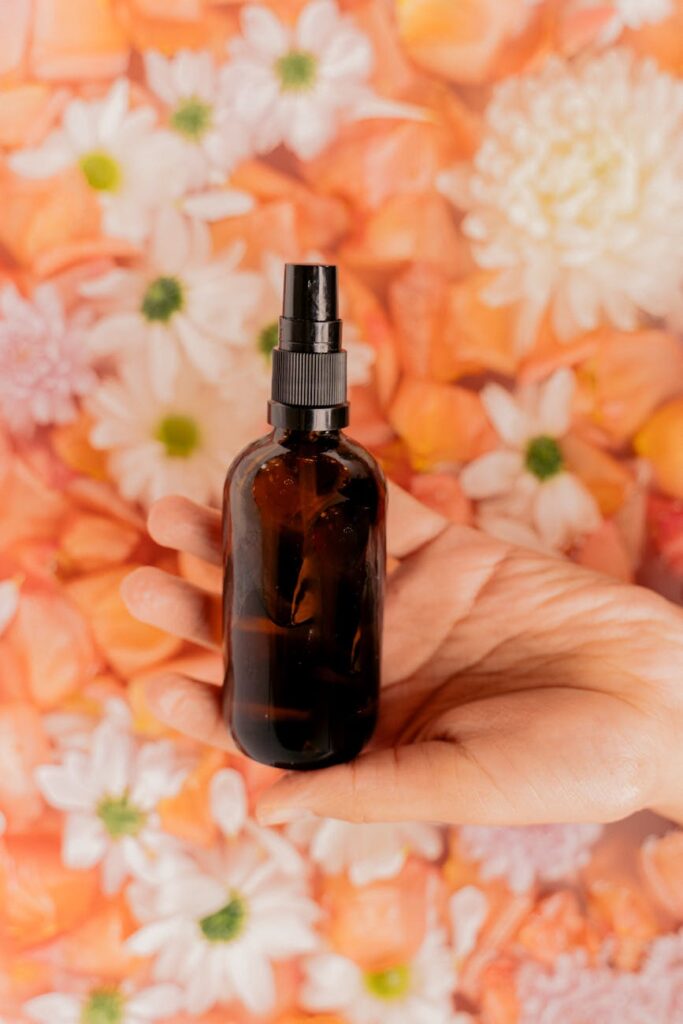
How to Use Floral Hydrosols for Skin Nourishment
Introduction
Floral hydrosols, often referred to as floral waters, are aromatic byproducts derived from the steam distillation of plant materials, particularly flowers. Unlike essential oils, which are concentrated extracts, hydrosols retain the water-soluble components of the plant, making them gentler and more versatile for various applications. Known for their soothing and nourishing properties, floral hydrosols have been utilized for centuries in skincare and wellness. This article aims to explore how to effectively use floral hydrosols for skin nourishment, highlighting their benefits, applications, and safety considerations.
What Are Floral Hydrosols for Skin Nourishment?
Floral hydrosols are essentially the water left over after the essential oil is extracted from plant materials through steam distillation. This process captures the aromatic compounds and other beneficial constituents of the plant, resulting in a fragrant, hydrating product that can be used in a variety of skincare routines. Common floral hydrosols include rose, lavender, chamomile, and orange blossom, each with unique properties that cater to different skin types and concerns.
Floral hydrosols are often used as a gentle facial toner, a soothing mist, or an additive in skincare formulations. Their mild nature makes them suitable for all skin types, including sensitive skin.
Key Benefits and Properties
Floral hydrosols offer an array of benefits for skin nourishment, largely attributed to the natural compounds they contain. Here are some of the key properties:
1. Hydration: Floral hydrosols provide a refreshing burst of moisture, making them ideal for dry or dehydrated skin. They help to maintain skin hydration without the heaviness of oils or creams.
2. Soothing: Many hydrosols possess anti-inflammatory properties, which can help calm irritated skin. For example, chamomile hydrosol is often used to soothe redness and inflammation.
3. Antimicrobial Effects: Some floral waters, like lavender and tea tree hydrosol, exhibit antimicrobial properties, making them beneficial for acne-prone skin. They can help reduce bacteria on the skin’s surface.
4. Aromatherapy Benefits: The scent of floral hydrosols can have a calming effect, promoting relaxation and emotional well-being. This aspect makes them excellent for use in self-care routines.
5. Balancing: Certain hydrosols can help balance the skin’s pH levels, making them suitable for oily or combination skin types. For instance, rose hydrosol can help regulate oil production while providing hydration.
Common Uses
Floral hydrosols can be incorporated into skincare routines in various ways. Here are some popular methods of use:
1. Facial Toner: After cleansing, apply a floral hydrosol using a cotton pad or by spritzing directly onto the face. This helps to remove any remaining impurities while providing hydration.
2. Setting Spray: Use floral hydrosols as a setting spray after applying makeup. This not only helps to set the makeup but also imparts a refreshing glow.
3. Soothing Mist: Keep a bottle of floral hydrosol in your bag for a quick pick-me-up throughout the day. It can be especially refreshing in hot weather or after exercise.
4. Bath Additive: Adding floral hydrosol to your bathwater can enhance relaxation and provide skin benefits. Rose or lavender hydrosols are ideal for a calming bath experience.
5. Ingredient in DIY Skincare: Floral hydrosols can be incorporated into homemade skincare products, such as creams, lotions, and masks, serving as a hydrating and aromatic element.
6. Compresses: Soak a cloth in floral hydrosol and apply it as a compress to areas of irritation or inflammation. This method is particularly effective for soothing sunburn or minor irritations.
Aromatherapy Applications
In addition to their skincare benefits, floral hydrosols can be used in aromatherapy practices. They can enhance emotional well-being and help create a calming atmosphere. Here are some suggestions:
1. Diffusion: While hydrosols are not typically used in diffusers like essential oils, they can be sprayed around the room to impart their fragrance and therapeutic properties.
2. Relaxation Rituals: Incorporate floral hydrosols into your relaxation rituals. For example, misting the air or your pillow with lavender hydrosol before bedtime can enhance sleep quality.
3. Meditation: Use floral hydrosols during meditation or yoga sessions to create a soothing environment. The calming scents can help deepen relaxation and focus.
4. Aromatherapy Inhalation: Place a few drops of floral hydrosol on a tissue and inhale the aroma to promote relaxation and emotional balance.
Safety Considerations
While floral hydrosols are generally safe for topical use, it is essential to keep the following safety considerations in mind:
1. Patch Test: Before using a new hydrosol, perform a patch test by applying a small amount to a discreet area of skin. This will help determine if you have any sensitivities or allergic reactions.
2. Quality Matters: Choose high-quality, organic floral hydrosols from reputable suppliers to ensure purity and effectiveness. Avoid products containing synthetic fragrances or preservatives.
3. Storage: Store floral hydrosols in a cool, dark place to preserve their properties. Exposure to heat and light can degrade their quality.
4. Consultation: If you are pregnant, nursing, or have specific skin conditions, consult with a qualified healthcare professional before incorporating new products into your skincare routine.
Storage and Shelf Life
The shelf life of floral hydrosols can vary depending on their composition and storage conditions. Generally, most hydrosols have a shelf life of 1 to 2 years when stored properly. To maximize their longevity:
- Keep Away from Heat and Light: Store hydrosols in dark glass bottles in a cool, dry place to prevent degradation.
- Refrigeration: Some users prefer to store their hydrosols in the refrigerator, especially during warm weather, to enhance their refreshing properties.
- Check for Changes: Regularly inspect your hydrosol for any changes in color, scent, or consistency. Discard any that show signs of spoilage.
Frequently Asked Questions
1. Are floral hydrosols safe for all skin types?
Yes, floral hydrosols are generally safe for all skin types, including sensitive skin. However, individual reactions may vary, so performing a patch test is advised.
2. Can floral hydrosols replace moisturizer?
Floral hydrosols provide hydration but should not entirely replace a moisturizer, especially for very dry skin. They can be used in conjunction with moisturizers for enhanced hydration.
3. How can I incorporate floral hydrosols into my skincare routine?
Floral hydrosols can be used as facial toners, mists, bath additives, or ingredients in DIY skincare formulations. They can also be employed in aromatherapy practices for emotional well-being.
4. Do floral hydrosols expire?
Yes, floral hydrosols can expire. Generally, they have a shelf life of 1 to 2 years when stored properly. Always check for any changes in appearance or scent before use.
5. What is the difference between floral hydrosols and essential oils?
Floral hydrosols are the water byproducts of essential oil distillation and are milder in concentration. Essential oils are highly concentrated extracts, while hydrosols retain a wider range of the plant’s beneficial compounds in a gentler form.
Conclusion
Floral hydrosols are versatile and beneficial additions to any skincare regimen. Their gentle properties make them suitable for various applications, and their aromatic qualities can enhance emotional well-being. By understanding how to use floral hydrosols effectively and safely, individuals can harness the nourishing and soothing benefits these botanical waters offer. Whether used as a toner, mist, or in DIY skincare formulations, floral hydrosols provide a natural way to nourish and care for the skin.