
How to Use Floral Hydrosols for Skin Repair
Introduction
Floral hydrosols, often referred to as floral waters, are byproducts of the steam distillation process used to extract essential oils from plants. While they are less concentrated than essential oils, hydrosols carry many beneficial properties that make them valuable in skin care and aromatherapy. This article explores the various ways floral hydrosols can be utilized for skin repair, highlighting their benefits, common uses, and safety considerations.
What Are Floral Hydrosols for Skin Repair?
Floral hydrosols are aqueous solutions containing the water-soluble components of plants, including trace amounts of essential oils and various phytochemicals. Unlike essential oils, which can be potent and concentrated, hydrosols are milder and can be used directly on the skin without the need for dilution. Their gentle nature makes them suitable for a wide range of skin types, including sensitive skin.
Some popular floral hydrosols include:
- Rose Hydrosol: Known for its soothing and hydrating properties.
- Lavender Hydrosol: Valued for its calming effects and skin-repairing qualities.
- Chamomile Hydrosol: Renowned for its anti-inflammatory and soothing characteristics.
- Neroli Hydrosol: Often used for its regenerative properties, especially for mature or damaged skin.
- Refrigeration: Storing hydrosols in the refrigerator can extend their shelf life and enhance their refreshing qualities.
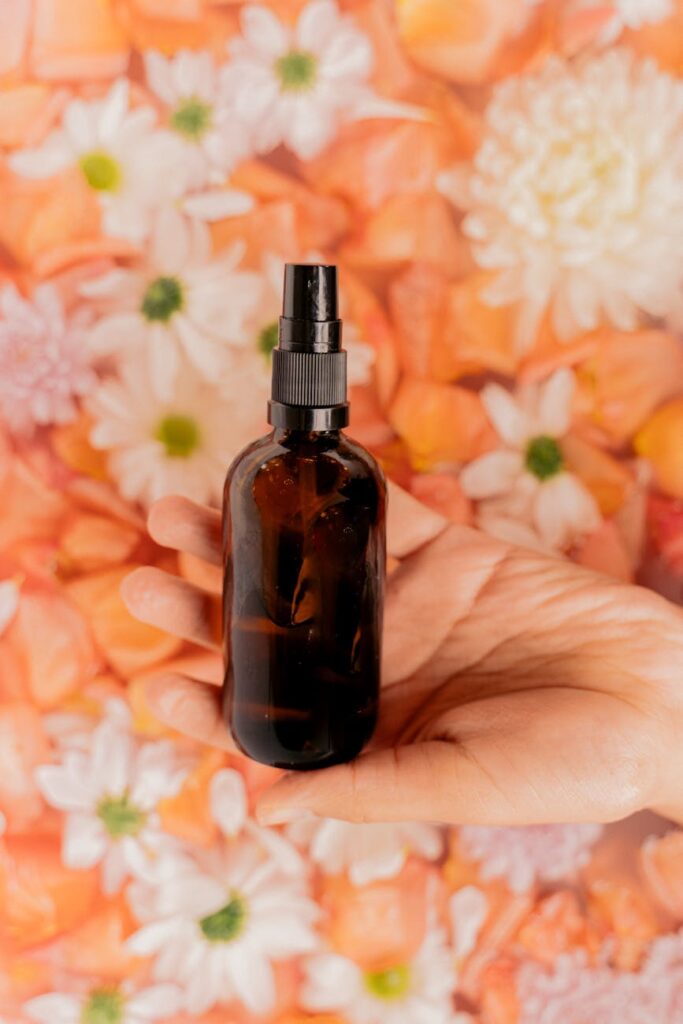
- Dark Glass Bottles: Use dark glass bottles to protect the hydrosols from light exposure, which can degrade their quality.
- Avoid Contamination: Always use clean hands or a dropper to avoid introducing contaminants into the bottle.
Key Benefits and Properties
Floral hydrosols offer numerous benefits for skin repair, including:
1. Hydration
The primary role of floral hydrosols is to hydrate the skin. Their water-based formulation allows for quick absorption, helping to maintain moisture levels and improve skin texture.
2. Soothing and Calming
Many floral hydrosols, such as chamomile and lavender, possess anti-inflammatory properties that can help soothe irritated or inflamed skin. This makes them particularly effective for conditions such as acne, eczema, and rosacea.
3. Antioxidant Properties
Some floral hydrosols are rich in antioxidants, which help combat free radical damage and promote skin health. This is particularly true for rose and neroli hydrosols, which can assist in skin repair and rejuvenation.
4. Antimicrobial Effects
Certain floral hydrosols have natural antimicrobial properties, which can help protect the skin from infection and support the healing process of minor cuts and abrasions.
5. pH Balancing
Floral hydrosols can help maintain the natural pH balance of the skin, making them an excellent choice for those with oily or combination skin.
Common Uses
Floral hydrosols can be used in various ways to support skin repair, including:
1. Facial Toners
Floral hydrosols can be applied as facial toners to refresh and hydrate the skin. Simply spritz the hydrosol onto clean skin after cleansing or apply it using a cotton pad.
2. Compresses
For localized treatment, floral hydrosols can be used in compresses. Soak a clean cloth in the hydrosol and apply it to the affected area for soothing relief.
3. After-Sun Care
Hydrosols, especially those derived from chamomile or lavender, can be used as after-sun treatments to alleviate sunburn and soothe irritated skin.
4. Makeup Setting Sprays
Using floral hydrosols as a makeup setting spray can help keep the skin hydrated and provide a dewy finish.
5. Bath Additives
Adding floral hydrosols to bathwater can enhance the overall bathing experience, providing skin-soothing benefits while delivering a pleasant aroma.
Aromatherapy Applications
In addition to their topical uses, floral hydrosols can be integrated into aromatherapy practices. Their delicate scents can evoke emotional responses and promote relaxation. Here are some ways to incorporate them into your aromatherapy routine:
1. Diffusion
While not as commonly diffused as essential oils, hydrosols can still be used in a diffuser to create a calming atmosphere. Rose and lavender hydrosols are particularly effective in promoting relaxation and reducing stress.
2. Room Sprays
Floral hydrosols can be combined with distilled water in a spray bottle to create a natural room spray. This can enhance the ambiance of your space while also offering skin benefits.
3. Inhalation
Direct inhalation of floral hydrosols can provide therapeutic benefits. Simply spray a small amount into the air and take a few deep breaths, allowing the soothing aroma to envelop you.
Safety Considerations
While floral hydrosols are generally considered safe for topical use, it is essential to keep the following safety considerations in mind:
1. Patch Testing
Before applying a new hydrosol to the skin, it is advisable to conduct a patch test. Apply a small amount of the hydrosol to a discreet area and wait 24 hours to check for any adverse reactions.
2. Storage
Store floral hydrosols in a cool, dark place, away from direct sunlight. This helps preserve their potency and prevents degradation.
3. Allergies
Although rare, some individuals may have allergies to specific plants. If you have known allergies, consult with a knowledgeable practitioner before using a new hydrosol.
4. Consultation
If you have specific skin concerns or conditions, consider consulting with a dermatologist or skincare professional before incorporating floral hydrosols into your routine.
Storage and Shelf Life
Floral hydrosols typically have a shelf life of about six months to one year, depending on the specific type and storage conditions. Here are some tips for proper storage:
Frequently Asked Questions
1. Can I use floral hydrosols on all skin types?
Yes, floral hydrosols are generally suitable for all skin types, including sensitive skin. However, it’s always best to perform a patch test first.
2. How often can I use floral hydrosols?
You can use floral hydrosols multiple times a day as needed for hydration and soothing effects.
3. Are floral hydrosols the same as essential oils?
No, floral hydrosols are different from essential oils. Hydrosols are diluted and less concentrated, making them safer for direct skin application.
4. Can floral hydrosols expire?
Yes, floral hydrosols can expire. Proper storage can help prolong their shelf life, but it’s recommended to use them within six months to one year.
5. Can I mix different floral hydrosols?
Yes, different floral hydrosols can be blended to create customized blends, providing a variety of benefits and aromas.
In conclusion, floral hydrosols are versatile and beneficial for skin repair, offering hydration, soothing effects, and numerous other properties. With proper use and storage, they can enhance your skincare routine and provide a gentle, natural option for maintaining healthy skin.