
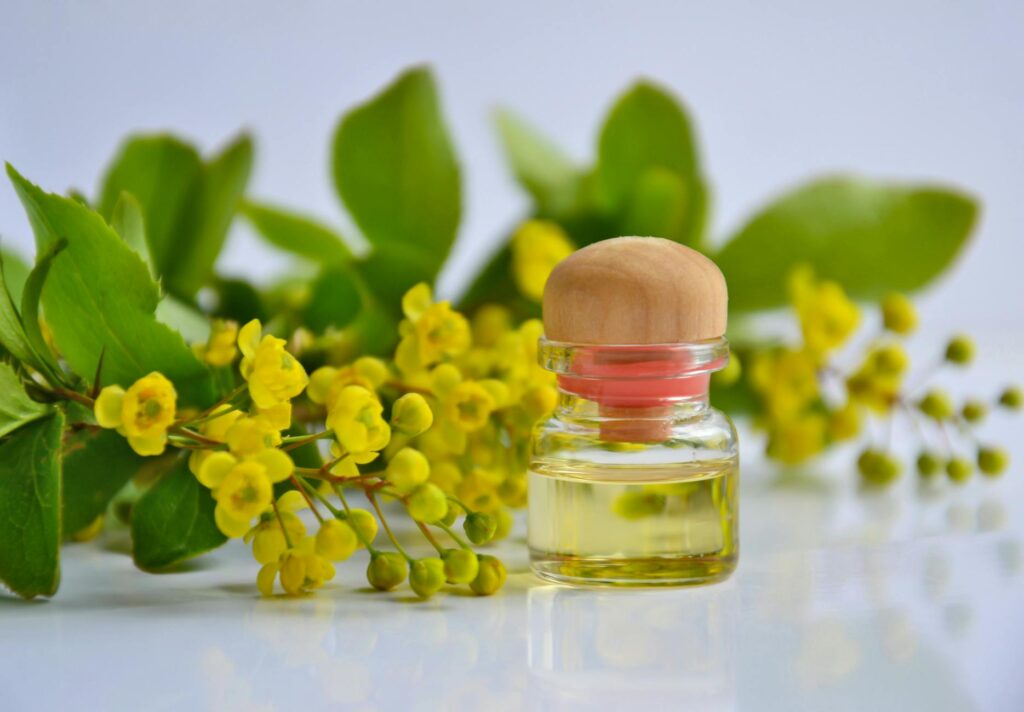
How to Use Floral Infusions
Introduction
Floral infusions, derived from the delicate petals of flowers, have been cherished for centuries for their aromatic and therapeutic properties. These infusions, created by steeping flowers in water, oils, or other mediums, are an integral component of aromatherapy and herbal practices. This article delves into the essence of floral infusions, their benefits, common uses, and safety considerations, providing a comprehensive guide for enthusiasts and practitioners alike.
What Is Floral Infusions?
Floral infusions are concentrated extracts made by soaking fresh or dried flowers in a solvent, typically water or oil. The process allows the beneficial compounds, fragrances, and colors of the flowers to be released into the medium. There are several methods to create floral infusions:
1. Water Infusions: Flowers are steeped in hot or cold water, allowing the aromatic compounds to diffuse into the liquid. This method is often used for making teas.
2. Oil Infusions: Flowers are combined with carrier oils, such as olive or jojoba, and left to steep for an extended period, usually in a warm location. This method is ideal for creating infused oils used in skincare and massage.
3. Alcohol Infusions: Flowers can also be steeped in spirits like vodka or brandy, which can be used for tinctures or flavoring.
Each method imparts unique qualities to the infusion, making it essential to choose the appropriate technique based on the intended use.
Key Benefits and Properties
Floral infusions possess a variety of beneficial properties, which can be attributed to the specific flowers used. Some common benefits include:
- Aromatherapy: The aromatic compounds in floral infusions can promote relaxation, uplift mood, and enhance mental clarity.
- Skin Care: Many floral infusions have anti-inflammatory and soothing properties, making them suitable for topical applications to nourish and rejuvenate the skin.
- Culinary Uses: Certain floral infusions can enhance the flavor of culinary dishes and beverages, bringing a unique twist to traditional recipes.
- Emotional Balance: The scents of floral infusions can evoke memories and feelings, making them valuable tools for emotional well-being.
- Floral teas made from infusions of chamomile or hibiscus are popular for their soothing effects and vibrant flavors. They can be served hot or iced, often sweetened with honey or flavored with citrus.
- Infused oils, such as rosehip or lavender, can be applied directly to the skin or incorporated into lotions and creams. They are known for their hydrating and calming properties.
- Diffusing floral infusions in essential oil diffusers can help create a tranquil atmosphere, perfect for meditation or relaxation.
- Adding floral infusions to bathwater can enhance relaxation and provide a soothing experience. Infused oils can also be used for luxurious massage oils.
- Edible flowers like nasturtiums and violets can be infused in vinegar or oils to create unique dressings or marinades.
- Use a diffuser to disperse the aroma of floral infusions into the air, creating a calming environment. This method is effective for enhancing mood and creating a pleasant ambiance.
- For a quick aromatic boost, place a few drops of infused oil on a tissue or cotton ball and inhale deeply. This method can provide immediate relief from stress or fatigue.
- Combine floral-infused oils with carrier oils for a soothing massage. This combination not only provides relaxation but also nourishes the skin.
- Incorporate floral infusions into bath rituals. The warm water will enhance the release of aromatic compounds, creating a spa-like experience.
- Dried floral infusions can be used in potpourri or sachets, adding natural fragrance to living spaces while also offering subtle aromatherapy benefits.
- Allergies: Some individuals may be allergic to specific flowers. It is advisable to perform a patch test when using floral-infused products on the skin.
- Quality of Ingredients: Always choose high-quality, organic flowers for infusions. Avoid using flowers that have been treated with pesticides or other chemicals.
- Dilution: When using infused oils for topical applications, consider diluting them with a carrier oil to minimize the risk of irritation.
- Pregnancy and Breastfeeding: Some floral infusions may not be suitable during pregnancy or while breastfeeding. It is important to consult with a knowledgeable herbalist or practitioner for guidance.
- Children: Use caution when introducing floral infusions to children, as their skin may be more sensitive. Always consult with a healthcare provider before use.
- Water Infusions: These are best consumed within a few days, as they are prone to bacterial growth. Store them in the refrigerator and consume within a week.
- Oil Infusions: When stored in a cool, dark place in airtight containers, oil infusions can last for several months to a year. However, it’s essential to check for any signs of rancidity before use.
- Alcohol Infusions: These tend to have a longer shelf life due to the alcohol’s preservative properties. They can last for several years if stored properly.
Notable flowers used for infusions include lavender, chamomile, rose, hibiscus, and jasmine, each offering distinct characteristics that contribute to their allure.
Common Uses
Floral infusions can be utilized in various ways, each serving different purposes. Here are a few common applications:
1. Beverages:
2. Skin Care:
3. Aromatherapy:
4. Bathing:
5. Culinary Enhancements:
Aromatherapy Applications
In the realm of aromatherapy, floral infusions hold significant value. Here are ways to incorporate them into your practice:
1. Diffusion:
2. Inhalation:
3. Massage:
4. Bathing Rituals:
5. Potpourri and Sachets:
Safety Considerations
While floral infusions are generally safe for use, certain precautions should be observed:
Storage and Shelf Life
The longevity of floral infusions depends on the method of preparation and the medium used:
For all types of floral infusions, labeling containers with the date of preparation can help track freshness.
Frequently Asked Questions
Q: Can I use any flower for infusion?
A: Not all flowers are safe for infusion. Always ensure the flowers you choose are edible or have recognized therapeutic properties. Research individual flowers to confirm their safety.
Q: How do I make a floral infusion?
A: To make a basic floral infusion, use the following steps:
1. Choose fresh or dried flowers.
2. For water infusions, steep flowers in hot or cold water for several minutes. For oil infusions, combine flowers with a carrier oil and let them steep in a warm place for 2-4 weeks, shaking occasionally.
3. Strain the infusion to remove the solid parts.
Q: Are floral infusions the same as essential oils?
A: No, floral infusions and essential oils are different. Essential oils are highly concentrated extracts obtained through distillation or cold pressing, while floral infusions are made by steeping flowers in a solvent.
Q: Can I combine different floral infusions?
A: Yes, combining different floral infusions can create unique aromas and benefits. Experiment with various flowers to discover your preferred blends.
Q: Where can I buy floral infusions?
A: Floral infusions can be found in health food stores, specialty herbal shops, or online. Always choose products from reputable sources to ensure quality.
Conclusion
Floral infusions offer a delightful way to harness the beauty and benefits of flowers in various applications. Whether used for their aromatic qualities, skin care benefits, or culinary uses, these infusions enrich our lives with nature’s essence. By understanding their properties and appropriate usage, individuals can explore the vast world of floral infusions, enhancing their well-being and enjoyment of the natural world.