
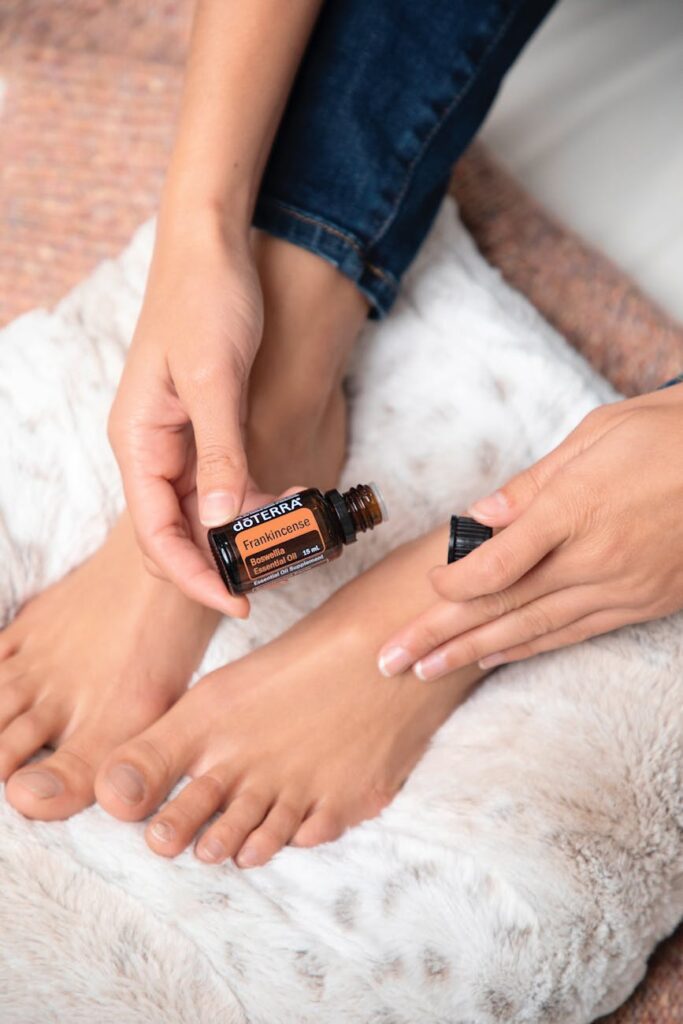
How to Use Frankincense Oil Safely
Introduction
Frankincense oil, derived from the resin of the Boswellia tree, has been revered for centuries in various cultures for its aromatic and therapeutic properties. Known for its warm, woodsy scent, frankincense is commonly used in incense, perfumes, and traditional medicine practices. However, like all essential oils, it is crucial to understand its safe usage to maximize benefits and minimize risks. This article explores the safety of using frankincense oil, including its benefits, common applications, and essential safety considerations.
What Is Frankincense Oil Safety?
Frankincense oil safety refers to the guidelines and recommendations for the proper use of this essential oil to avoid adverse reactions. Essential oils are highly concentrated plant extracts, and improper use can lead to skin irritation, allergic reactions, or other unwanted effects. To ensure safe usage, it is essential to understand the oil’s properties, the methods of application, and any contraindications associated with its use.
Key Benefits and Properties
Frankincense oil is known for a variety of beneficial properties, which include:
- Anti-inflammatory: It is often used to alleviate inflammation, making it popular in massage blends.
- Antiseptic: The oil has natural antiseptic qualities, which can help in cleansing and purifying.
- Relaxation and Stress Relief: Frankincense is renowned for its calming effects, often used in meditation and relaxation practices.
- Enhancement of Immune Function: Some studies suggest that frankincense may support immune health, though further research is needed.
- Skin Health: Its astringent properties make it beneficial for skin care, helping to reduce the appearance of scars and blemishes.
- Aromatherapy: Diffusing frankincense oil can create a calming atmosphere and promote relaxation.
- Topical Applications: It can be diluted with a carrier oil for skin applications, particularly for massage or skincare.
- Incense and Meditation: The oil is often used in spiritual practices, enhancing meditation and mindfulness.
- Household Cleaning: Due to its antiseptic properties, frankincense can be included in DIY cleaning solutions.
- Duration: Diffuse for 30-60 minutes at a time to avoid overwhelming the senses.
- Blending: Frankincense pairs well with other essential oils, such as lavender or cedarwood, enhancing its therapeutic effects.
- Patch Test: Before applying frankincense oil topically, perform a patch test. Apply a diluted drop on a small area of skin and wait 24 hours to check for any adverse reactions.
- Dilution: Always dilute essential oils in a carrier oil before applying them directly to the skin to reduce the risk of irritation.
- Cool, Dark Place: Store the oil in a cool, dark place away from direct sunlight, which can degrade the oil’s quality.
- Airtight Containers: Use dark glass bottles to protect the oil from light and air, which can lead to oxidation.
- Shelf Life: Frankincense oil typically has a shelf life of 3-5 years when stored correctly. However, always check for any changes in smell, color, or consistency before use.
Understanding these properties helps users appreciate the potential applications of frankincense oil while being aware of its potency.
Common Uses
Frankincense oil can be incorporated into various routines, including:
These diverse applications highlight the versatility of frankincense oil, making it a valuable addition to both personal wellness and home care.
Aromatherapy Applications
In aromatherapy, frankincense oil is typically used in two primary ways: through diffusion and topical application.
Diffusion
To enjoy the aromatic benefits of frankincense, it can be added to an essential oil diffuser. A few drops are sufficient to fill a room with its soothing scent. When diffusing, consider the following:
Topical Application
When using frankincense oil on the skin, it is essential to dilute it with a carrier oil, such as coconut or jojoba oil. A common dilution ratio is 2-3 drops of frankincense oil per tablespoon of carrier oil. This method can be beneficial for massages, skincare, or localized application.
Safety Considerations
While frankincense oil is generally considered safe, it is essential to keep the following safety considerations in mind:
Skin Sensitivity
Allergic Reactions
Some individuals may experience allergic reactions to frankincense oil. Symptoms can include redness, itching, or swelling. If any of these occur, discontinue use immediately and consult a healthcare professional.
Pregnant and Nursing Individuals
Pregnant and nursing individuals should exercise caution when using essential oils, including frankincense. It is advisable to consult a healthcare provider before use.
Children and Pets
Frankincense oil should be used cautiously around children and pets. If using it in a household with children or pets, ensure it is adequately diluted and avoid direct contact with their skin.
Ingestion
Ingesting frankincense oil is not recommended unless under the supervision of a qualified healthcare provider. Essential oils are highly concentrated and can cause adverse effects when consumed improperly.
Storage and Shelf Life
Proper storage of frankincense oil is crucial to maintain its potency and effectiveness. Here are some guidelines:
Frequently Asked Questions
Can I use frankincense oil for all skin types?
While frankincense oil is generally well-tolerated, individuals with sensitive skin should use caution. Always perform a patch test and consult a dermatologist if unsure.
Is it safe to use frankincense oil during pregnancy?
Pregnant individuals should consult a healthcare provider before using frankincense oil or any essential oils to ensure safety.
Can frankincense oil help with anxiety?
Many people use frankincense oil in aromatherapy for its calming properties, but individual results may vary. It is not a substitute for professional mental health treatment.
How can I incorporate frankincense oil into my daily routine?
Frankincense oil can be added to diffusers, mixed into skincare routines, or included in massage oils to enhance relaxation and well-being.
What should I do if I experience irritation from frankincense oil?
If you experience irritation, discontinue use immediately and wash the affected area with a carrier oil or soap and water. If symptoms persist, consult a healthcare professional.
Conclusion
Frankincense oil is a versatile and treasured essential oil with a rich history and numerous applications. Understanding how to use it safely is vital to enjoying its benefits fully. By following the safety considerations outlined in this article, users can incorporate frankincense oil into their wellness routines with confidence. Whether used in aromatherapy, skincare, or spiritual practices, frankincense oil can enhance daily life while promoting a sense of calm and well-being.