
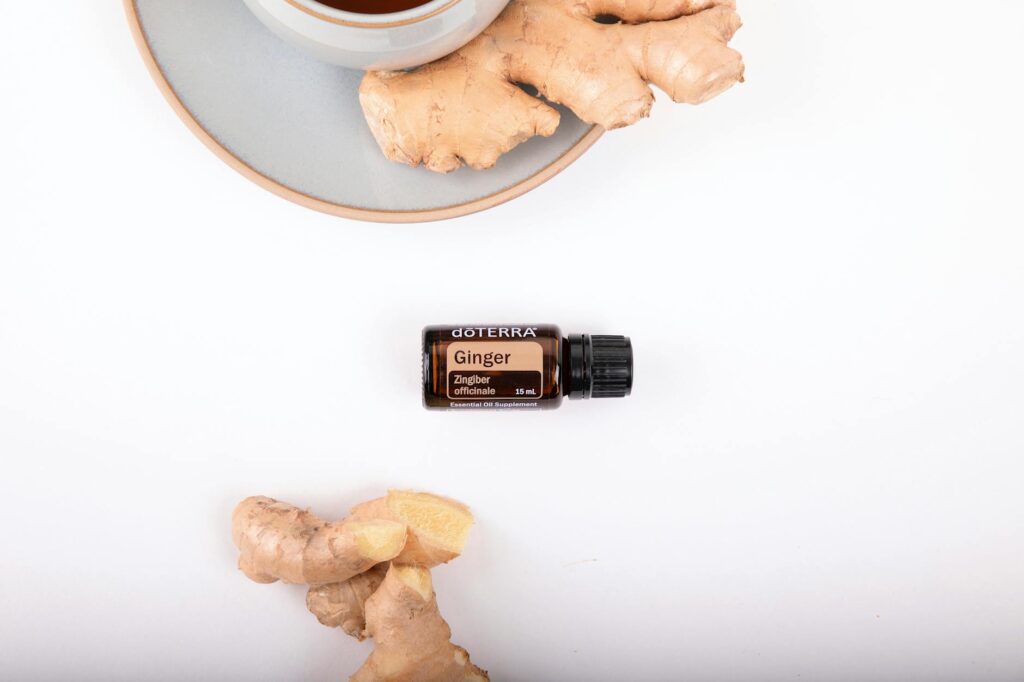
How to Use Ginger Extract
Introduction
Ginger, scientifically known as Zingiber officinale, has been a staple in culinary and medicinal practices for centuries. Its distinct flavor and numerous health benefits have made ginger extract a sought-after ingredient in both kitchens and wellness practices. This article aims to provide a comprehensive overview of ginger extract, including its benefits, common uses, applications in aromatherapy, safety considerations, and storage recommendations.
What Is Ginger Extract?
Ginger extract is derived from the rhizome of the ginger plant. The extraction process often involves the use of solvents such as alcohol or water to create a concentrated form of ginger’s essential compounds. This extract maintains the pungent aroma and flavor associated with fresh ginger while offering a more potent form of its beneficial properties.
Ginger extract can be found in various forms, including tinctures, oils, and powders, each catering to different applications and preferences. It is important to note that the term “ginger extract” can refer to various types of preparations, including essential oils and concentrated tinctures, each with unique uses and characteristics.
Key Benefits and Properties
Ginger extract is celebrated for its wide array of beneficial properties, largely attributed to its active compounds, such as gingerol and shogaol. Here are some of the key benefits:
1. Anti-inflammatory: Ginger has been recognized for its potential anti-inflammatory properties, which may help reduce inflammation in the body.
2. Antioxidant: The presence of antioxidants in ginger extract helps combat oxidative stress, potentially lowering the risk of chronic diseases.
3. Digestive Aid: Ginger is widely known for its ability to support digestion, helping to alleviate symptoms such as nausea and indigestion.
4. Immune Support: The compounds found in ginger extract may enhance immune function, helping to ward off infections.
5. Pain Relief: Some studies suggest that ginger may assist in alleviating pain, particularly related to muscle soreness and menstrual discomfort.
6. Mood Enhancement: The aroma of ginger can have uplifting effects, contributing to improved mood and mental clarity.
Common Uses
Ginger extract is versatile and can be utilized in various contexts:
1. Culinary Uses: In cooking, ginger extract can add flavor to dishes, drinks, and desserts. It is particularly popular in Asian cuisines and can be incorporated into marinades, sauces, and beverages.
2. Beverages: Ginger extract is a common ingredient in herbal teas, smoothies, and wellness shots, valued for its flavor and potential health benefits.
3. Cosmetic Applications: Due to its antioxidant properties, ginger extract is used in skincare products to promote healthy skin and combat signs of aging.
4. Household Uses: The aromatic properties of ginger make it suitable for use in natural cleaning products and as a scent enhancer in candles and diffusers.
Aromatherapy Applications
In aromatherapy, ginger essential oil, a concentrated form of ginger extract, is utilized for its uplifting and invigorating aroma. It can be used in several ways:
1. Diffusion: Add a few drops of ginger essential oil to a diffuser to create a warm, inviting atmosphere. This can be particularly effective in spaces where motivation and energy are desired.
2. Massage: When diluted with a carrier oil, ginger essential oil can be used in massage therapy to relieve muscle tension and promote relaxation.
3. Inhalation: Inhaling the aroma of ginger essential oil directly or through steam inhalation may provide a refreshing sensory experience and support mental clarity.
4. Bath Products: Ginger essential oil can be added to bath products for a rejuvenating soak, promoting relaxation and alleviating stress.
5. Blending with Other Oils: Ginger essential oil blends well with other essential oils such as citrus oils, cinnamon, and cardamom, enhancing the overall aromatic profile of a blend.
Safety Considerations
While ginger extract is generally considered safe for most people when used appropriately, there are several safety considerations to keep in mind:
1. Allergic Reactions: Some individuals may experience allergic reactions to ginger. It is advisable to perform a patch test before using ginger extract topically.
2. Pregnancy and Nursing: Pregnant or nursing individuals should consult with a healthcare professional before using ginger extract, as its effects may vary.
3. Interactions with Medications: Ginger may interact with certain medications, particularly blood thinners and diabetes medications. Consulting a healthcare provider before use is recommended.
4. Dosage: When using ginger extract, especially in concentrated forms, it is essential to adhere to recommended dosage guidelines to avoid potential side effects, such as gastrointestinal discomfort.
5. Dilution: For topical applications, ginger essential oil should always be diluted with a carrier oil to prevent skin irritation.
Storage and Shelf Life
Proper storage of ginger extract is crucial to maintaining its potency and efficacy. Here are some guidelines:
1. Cool, Dark Place: Store ginger extract in a cool, dark place away from direct sunlight and heat, which can degrade its quality.
2. Tightly Sealed Containers: Keep the extract in tightly sealed containers to prevent exposure to air, which can lead to oxidation.
3. Refrigeration: Some forms of ginger extract, like those in liquid form, may benefit from refrigeration to extend their shelf life. Always check the packaging for specific storage instructions.
4. Expiration Date: Pay attention to the expiration date or “best by” date on the packaging. While some extracts may remain usable past this date, their potency may decrease.
5. Signs of Spoilage: If the extract develops an off odor, changes in color, or an unusual appearance, it should be discarded.
Frequently Asked Questions
1. Can ginger extract be used in cooking?
Yes, ginger extract can be used in various culinary applications, including marinades, sauces, and beverages. It adds flavor and potential health benefits to dishes.
2. Is ginger extract safe for everyone?
While ginger extract is generally safe for most people, it may not be suitable for pregnant or nursing individuals or those on certain medications. Always consult a healthcare provider for personalized advice.
3. How do I use ginger essential oil in aromatherapy?
Ginger essential oil can be diffused, inhaled, or diluted with a carrier oil for massage. It can also be added to bath products for a relaxing experience.
4. How should I store ginger extract?
Store ginger extract in a cool, dark place in tightly sealed containers. Refrigeration may help extend its shelf life.
5. Can I use ginger extract topically?
Yes, but it should always be diluted with a carrier oil to prevent skin irritation. Perform a patch test first to check for allergic reactions.
6. How long does ginger extract last?
The shelf life of ginger extract varies depending on its form and storage conditions. Always refer to the expiration date on the packaging and inspect for signs of spoilage.
Conclusion
Ginger extract is a versatile and beneficial ingredient that can enhance both culinary and wellness practices. With its rich history and a plethora of uses, it serves as a valuable addition to any household. Understanding its properties, potential applications, and safety considerations can help individuals make informed decisions about incorporating ginger extract into their lives. Whether used in cooking, aromatherapy, or skincare, ginger extract is a remarkable natural resource that continues to be celebrated for its distinctive flavor and numerous benefits.