
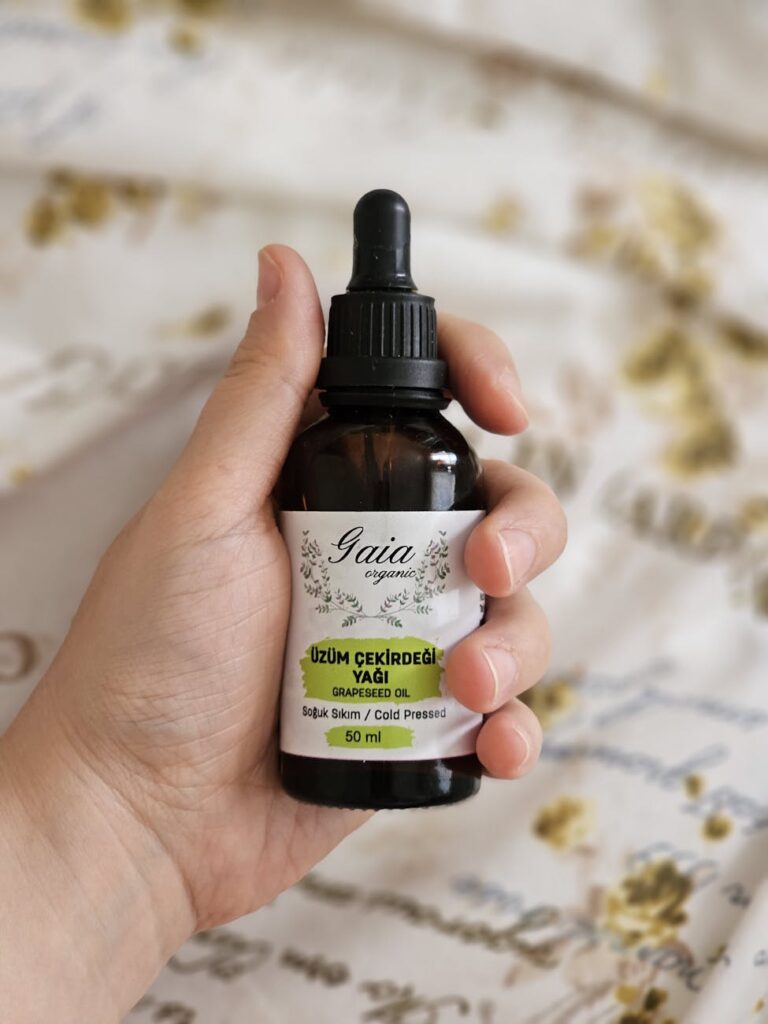
How to Use Grapeseed Oil
Introduction
Grapeseed oil, derived from the seeds of grapes, is a versatile oil that has gained popularity in culinary, cosmetic, and aromatherapy applications. Known for its light texture and subtle flavor, grapeseed oil is often included in salad dressings, marinades, and skin care formulations. This article will explore the properties, benefits, and various uses of grapeseed oil, while also addressing safety considerations and storage tips.
What Is Grapeseed Oil?
Grapeseed oil is extracted from the seeds of grapes, typically a byproduct of the winemaking industry. The extraction process often involves cold pressing or solvent extraction methods, resulting in a light, pale green oil that is rich in polyunsaturated fats, antioxidants, and other beneficial compounds. Due to its neutral taste and high smoke point, grapeseed oil is favored in culinary applications, while its nourishing properties make it a popular choice in skin and hair care.
Key Benefits and Properties
Grapeseed oil boasts several beneficial properties, making it a valuable addition to various applications:
1. Rich in Nutrients: Grapeseed oil is high in essential fatty acids, particularly linoleic acid, which is crucial for maintaining healthy skin. It also contains vitamins E and C, both of which are known for their antioxidant properties.
2. Lightweight and Non-Greasy: The oil is easily absorbed by the skin without leaving a heavy residue, making it suitable for all skin types, including oily and acne-prone skin.
3. Antioxidant Properties: Grapeseed oil contains proanthocyanidins, a type of antioxidant that may help protect cells from oxidative stress and support overall skin health.
4. Emollient Qualities: As an emollient, grapeseed oil helps to soften and soothe the skin, making it an ideal ingredient in moisturizers and creams.
5. Anti-Inflammatory Effects: Some studies suggest that grapeseed oil may have anti-inflammatory properties, which can help reduce skin irritation and redness.
Common Uses
Grapeseed oil is widely used across various fields, including:
Culinary Uses
1. Cooking Oil: With a high smoke point (approximately 420°F or 216°C), grapeseed oil is ideal for frying, sautéing, and baking. Its light flavor allows it to complement a range of dishes without overpowering other ingredients.
2. Salad Dressings and Marinades: Its neutral taste makes grapeseed oil an excellent base for vinaigrettes and marinades, providing a smooth texture that blends well with other flavors.
3. Emulsifier: Grapeseed oil can act as an emulsifier in recipes that require the blending of oil and water-based ingredients, such as dressings and sauces.
Cosmetic and Personal Care Uses
1. Moisturizer: Due to its lightweight nature, grapeseed oil is often used in lotions and creams, providing hydration without clogging pores.
2. Carrier Oil: In aromatherapy, grapeseed oil serves as an effective carrier oil for diluting essential oils before topical application.
3. Hair Care: Grapeseed oil can help nourish and strengthen hair, making it a popular ingredient in shampoos, conditioners, and hair masks.
4. Massage Oil: Its smooth texture makes grapeseed oil an ideal choice for massage, providing glide while keeping the skin hydrated.
Household Uses
1. Furniture Polish: Grapeseed oil can be used to clean and condition wooden surfaces, leaving them shiny and protected.
2. Natural Lubricant: The oil can serve as a natural lubricant for squeaky hinges or stuck drawers.
Aromatherapy Applications
In aromatherapy, grapeseed oil is primarily used as a carrier oil for diluting essential oils. The following are some common applications:
1. Blending: Grapeseed oil can be blended with various essential oils to create personalized aromatic experiences. It is particularly well-suited for essential oils like lavender, eucalyptus, and chamomile.
2. Topical Application: When diluted with essential oils, grapeseed oil can be applied to the skin for massage or localized relief. It is advisable to conduct a patch test to check for any skin sensitivities.
3. Diffuser Blends: While grapeseed oil is not typically used in diffusers, it can be included in oil blends for topical application after being diffused in the air.
4. Bath Additive: Adding grapeseed oil to a warm bath can enhance the moisturizing effects and provide a soothing experience when paired with essential oils.
Safety Considerations
While grapeseed oil is generally considered safe for most people, there are some considerations to keep in mind:
1. Allergic Reactions: Individuals with a known allergy to grapes or other members of the Vitaceae family should avoid grapeseed oil. A patch test is recommended before using it topically for the first time.
2. Consumption: While grapeseed oil is safe for culinary use, it is essential to use it in moderation, as excessive consumption of any oil can contribute to an unbalanced diet.
3. Storage: Proper storage is key to maintaining the quality of grapeseed oil. It should be kept in a cool, dark place away from direct sunlight to prevent rancidity.
Storage and Shelf Life
To ensure the longevity of grapeseed oil, consider the following storage tips:
1. Containers: Store grapeseed oil in dark glass or opaque plastic containers to protect it from light, which can degrade its quality.
2. Temperature: Keep the oil in a cool environment, ideally below 70°F (21°C). Avoid storing it near heat sources, such as stoves or ovens.
3. Shelf Life: When stored properly, grapeseed oil typically has a shelf life of about 6 to 12 months. It is advisable to check for any off smells or changes in color before use.
Frequently Asked Questions
1. Can grapeseed oil be used for cooking?
Yes, grapeseed oil is suitable for cooking due to its high smoke point and light flavor. It can be used for frying, sautéing, and as a base for salad dressings.
2. Is grapeseed oil safe for sensitive skin?
Grapeseed oil is often well-tolerated by most skin types, including sensitive skin. However, a patch test is recommended before applying it more broadly.
3. How do I use grapeseed oil in aromatherapy?
Grapeseed oil can be used as a carrier oil for diluting essential oils. Mix a few drops of your chosen essential oil with grapeseed oil before applying it to the skin.
4. Can grapeseed oil help with hair health?
Yes, grapeseed oil can nourish and strengthen hair. It is often included in hair care products and can be applied directly to the hair as a treatment.
5. How should grapeseed oil be stored?
Store grapeseed oil in a cool, dark place in a dark glass or opaque container to protect it from light and heat. It is best used within 6 to 12 months.
Conclusion
Grapeseed oil is a multifaceted oil that offers a range of benefits across culinary, cosmetic, and aromatherapy applications. Its lightweight nature, nutritional properties, and versatility make it a valuable addition to any kitchen or personal care regimen. By understanding its uses and safety considerations, individuals can effectively incorporate grapeseed oil into their daily lives.