
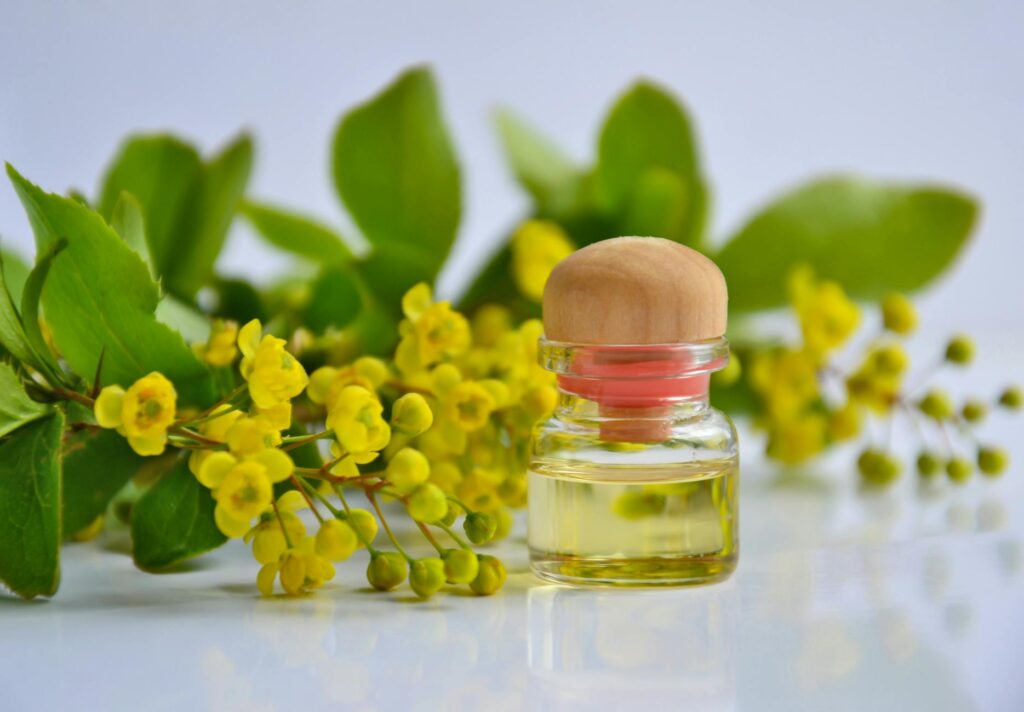
How to Use Hawthorn Extract
Introduction
Hawthorn extract, derived from the berries, leaves, and flowers of the hawthorn plant (Crataegus spp.), has been utilized for centuries in traditional herbal medicine. Known for its distinctive properties and benefits, hawthorn is often associated with heart health and emotional well-being. This article will delve into the nature of hawthorn extract, its benefits, common uses, applications in aromatherapy, safety considerations, and best practices for storage.
What Is Hawthorn Extract?
Hawthorn is a genus of flowering plants in the rose family, primarily found in Europe, North America, and parts of Asia. The plant features thorny branches and produces small, red berries that are rich in bioactive compounds such as flavonoids, oligomeric proanthocyanidins, and various antioxidants. The extract is typically prepared through various methods, including steeping the dried plant parts in alcohol or water to create tinctures or infusions. These preparations capture the essence of the plant’s beneficial properties, making it accessible for various applications.
Key Benefits and Properties
Hawthorn extract is celebrated for several key properties:
1. Antioxidant Activity: The flavonoids and polyphenols in hawthorn contribute to its antioxidant capabilities, helping to combat free radicals in the body.
2. Cardiovascular Support: Traditionally, hawthorn has been associated with supporting heart health. It is believed to improve blood circulation and strengthen the heart muscle.
3. Anxiety and Stress Relief: Some users report that hawthorn helps to promote a sense of calm and well-being, making it a popular choice for those seeking emotional support.
4. Digestive Health: Hawthorn may aid in digestion, particularly when consumed as a tea or infusion.
5. Anti-inflammatory Properties: The anti-inflammatory compounds in hawthorn may support overall health by reducing inflammation in the body.
These properties make hawthorn extract a versatile addition to various wellness routines, although individual experiences may vary.
Common Uses
Hawthorn extract can be used in numerous forms, including:
- Tinctures and Extracts: Often consumed in small doses, tinctures are a concentrated form of the extract that can be added to water or taken directly.
- Teas: Dried hawthorn berries, leaves, or flowers can be steeped in hot water to create a soothing herbal tea.
- Capsules and Tablets: These convenient forms allow for precise dosing and are popular among users who prefer not to taste the extract.
- Topical Applications: Some people use hawthorn in oil or cream formulations for external applications, particularly for skin health.
- In Cooking: Hawthorn berries can be used in jams, jellies, and other culinary applications, providing a unique flavor profile.
- Lavender: Known for its soothing properties, this blend can promote relaxation and stress relief.
- Bergamot: A citrusy oil that uplifts the mood, combining it with hawthorn may enhance emotional balance.
- Frankincense: This oil is often used for grounding and spiritual practices, making it a complementary addition to a hawthorn blend.
- Consult a Healthcare Professional: Before starting any new herbal regimen, especially if you are pregnant, nursing, or have underlying health conditions, it is advisable to consult a healthcare professional.
- Possible Side Effects: Some individuals may experience mild side effects such as digestive upset or allergic reactions. If any adverse reactions occur, discontinue use and consult a healthcare provider.
- Interactions with Medications: Hawthorn may interact with certain medications, especially those related to heart health or blood pressure. Always inform your healthcare provider about any supplements you are taking.
- Dosage: It is essential to follow recommended dosages on product labels or as advised by a healthcare professional to avoid potential side effects.
- Keep in a Cool, Dark Place: Light and heat can degrade the quality of the extract, so it is best stored in a cool, dark area.
- Seal Tightly: Ensure that the container is tightly sealed to prevent exposure to air and moisture.
- Check Expiration Dates: Always check expiration dates on products and adhere to them for optimal safety and effectiveness.
- Avoid Contamination: Use clean utensils when dispensing tinctures or oils to prevent contamination.
Aromatherapy Applications
In the realm of aromatherapy, hawthorn essential oil is less commonly available than other essential oils; however, it holds significant potential. Its gentle, calming aroma can be blended with other essential oils to enhance emotional well-being.
Blending with Other Oils
Hawthorn can be combined with essential oils such as:
Diffusion
Hawthorn extract can be added to a diffuser with carrier oils, creating a calming atmosphere in spaces such as homes, offices, or therapy rooms. The gentle scent may help foster a sense of peace and tranquility.
Massage Blends
Incorporating hawthorn extract into massage oils can provide a relaxing experience. When mixed with carrier oils like sweet almond or jojoba, it can be used for gentle massages aimed at promoting relaxation and reducing tension.
Safety Considerations
While hawthorn extract is generally considered safe for most individuals, it is essential to approach its use with care. Here are some safety considerations to keep in mind:
Storage and Shelf Life
To maintain the potency and quality of hawthorn extract, proper storage is vital:
Under proper storage conditions, hawthorn extract can have a shelf life of 1-2 years, depending on the form and preparation method.
Frequently Asked Questions
1. What part of the hawthorn plant is used for extraction?
The berries, leaves, and flowers of the hawthorn plant are commonly used to create extracts, each offering unique beneficial properties.
2. How can I prepare hawthorn tea?
To prepare hawthorn tea, steep 1-2 teaspoons of dried hawthorn berries, leaves, or flowers in hot water for about 10-15 minutes. Strain and enjoy, optionally sweetening with honey if desired.
3. Can hawthorn extract be used in cooking?
Yes, hawthorn berries can be used in culinary applications such as jams, jellies, and sauces, providing a unique flavor and potential health benefits.
4. Is hawthorn safe for children?
While hawthorn is generally considered safe, it is advisable to consult a healthcare professional before giving it to children, especially in concentrated forms.
5. What are the signs of hawthorn allergies?
Signs of a hawthorn allergy may include skin rashes, itching, or gastrointestinal discomfort. If any allergic reactions occur, discontinue use and seek medical advice.
Conclusion
Hawthorn extract is a versatile herbal remedy that offers various benefits, particularly related to heart health and emotional well-being. Its applications in both traditional herbalism and modern aromatherapy make it a valuable addition to holistic wellness practices. By understanding how to use hawthorn extract safely and effectively, individuals can incorporate this botanical gem into their self-care routines, promoting overall health and balance. Always remember to consult with a healthcare professional before beginning any new supplement regimen to ensure it aligns with your individual health needs.