
How to Use Helichrysum Oil
Introduction
Helichrysum oil, derived from the flowers of the Helichrysum plant, is a popular essential oil known for its rich aromatic profile and multitude of potential benefits. This oil has been cherished for centuries, particularly in traditional medicine and holistic practices. This article explores the characteristics, benefits, and various applications of Helichrysum oil, providing you with the knowledge needed to integrate this unique oil into your daily routine.
What Is Helichrysum Oil?
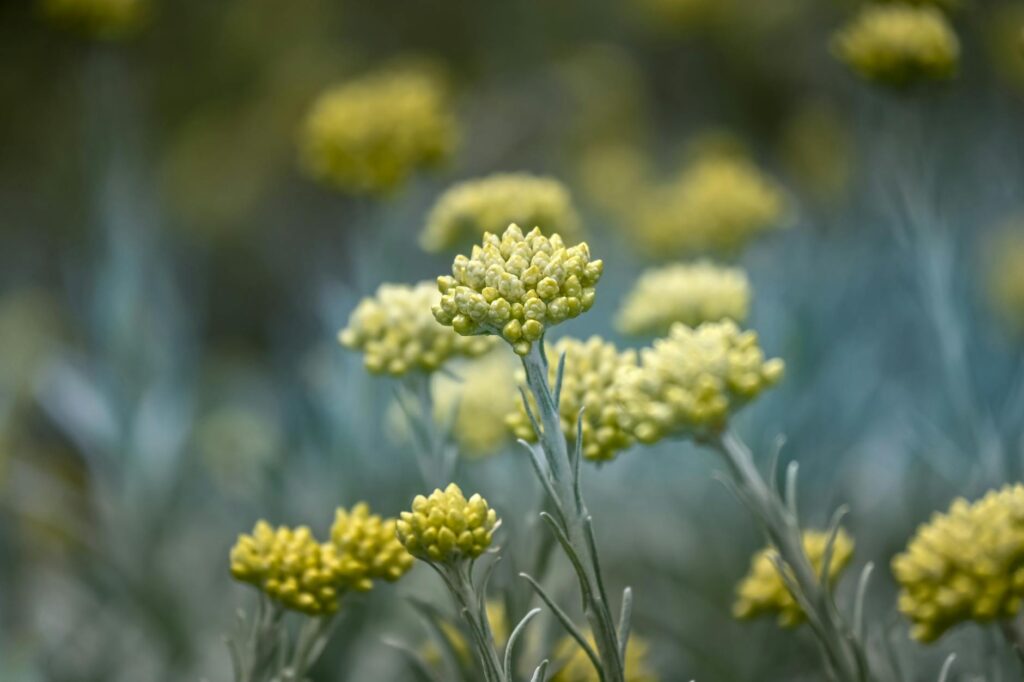
Helichrysum oil is extracted from the flowering tops of the Helichrysum italicum plant, commonly known as the everlasting flower or immortelle. This perennial herb is native to the Mediterranean region and is well-known for its vibrant yellow flowers, which retain their color even after drying. The essential oil is obtained through steam distillation and is characterized by a warm, sweet, and slightly herbaceous aroma.
The oil contains a complex blend of chemical constituents, including esters, ketones, and alcohols, which contribute to its distinctive scent and therapeutic properties. Helichrysum oil is prized not only for its fragrance but also for its potential benefits in various applications.
Key Benefits and Properties
Helichrysum oil is celebrated for its multifaceted benefits, which stem from its diverse chemical composition. Some of the key properties include:
1. Anti-inflammatory: The oil is known for its potential anti-inflammatory effects, making it a popular choice in formulations aimed at soothing irritated skin and promoting overall skin health.
2. Antioxidant: Helichrysum oil is rich in antioxidants, which help protect cells from oxidative stress and support the body’s natural defense mechanisms.
3. Regenerative: The oil is often associated with skin regeneration and healing, making it a favored ingredient in skincare products aimed at promoting a youthful appearance.
4. Antimicrobial: Preliminary studies suggest that Helichrysum oil may possess antimicrobial properties, making it beneficial in various applications, including skin care and cleaning products.
5. Emotional balance: The aromatic profile of Helichrysum oil is thought to promote relaxation and emotional balance, making it a common choice in aromatherapy.
Common Uses
Helichrysum oil has a wide range of applications, thanks to its beneficial properties. Here are some of the most common uses:
1. Skin Care: Helichrysum oil is often incorporated into skincare formulations for its potential to promote healing and reduce the appearance of scars, blemishes, and fine lines. It is typically diluted with a carrier oil before application to the skin.
2. Massage: Due to its soothing properties, Helichrysum oil is frequently used in massage blends. When combined with a carrier oil, it can help relieve tension and promote relaxation.
3. Aromatherapy: The calming aroma of Helichrysum oil makes it a popular choice for diffusing. It can help create a peaceful environment, conducive to relaxation and meditation.
4. Hair Care: Helichrysum oil is sometimes added to hair care products for its potential to promote a healthy scalp and add shine to hair.
5. Household Products: Its antimicrobial properties make Helichrysum oil a suitable addition to homemade cleaning solutions.
Aromatherapy Applications
In aromatherapy, Helichrysum oil is primarily used to promote emotional well-being and create an atmosphere of tranquility. It can be used in various ways:
1. Diffusion: Add a few drops of Helichrysum oil to a diffuser filled with water. This allows the oil to disperse into the air, creating a calming environment. It can be especially beneficial during meditation or relaxation practices.
2. Inhalation: For a quick emotional boost, place a drop or two of Helichrysum oil on a tissue or in the palms of your hands, then inhale deeply. This method can help reduce feelings of stress and anxiety.
3. Bathing: Add a few drops of Helichrysum oil to your bathwater for a soothing and aromatic experience. Combine it with a carrier oil or an emulsifier like milk to help the oil disperse in water.
4. Massage Blends: Create a massage blend by combining Helichrysum oil with a carrier oil, such as sweet almond or jojoba oil. This combination can enhance relaxation and provide a soothing touch.
Safety Considerations
While Helichrysum oil is generally considered safe for use, there are several precautions to keep in mind:
1. Dilution: Essential oils are highly concentrated and should be diluted with a carrier oil before applying them to the skin. A common dilution ratio is 2-3 drops of essential oil per tablespoon of carrier oil.
2. Patch Test: Before applying Helichrysum oil to a larger area of skin, conduct a patch test. Apply a small amount of the diluted oil to a discreet area and wait 24 hours to check for any adverse reactions.
3. Pregnancy and Nursing: Pregnant or nursing individuals should consult a qualified professional before using essential oils, including Helichrysum oil.
4. Medical Conditions: Individuals with specific medical conditions or those taking medication should seek advice from a healthcare professional before incorporating essential oils into their routine.
5. Children and Pets: Use caution when using essential oils around children and pets. Always consult a healthcare professional for guidance on their safety.
Storage and Shelf Life
To maintain the quality and efficacy of Helichrysum oil, proper storage is essential:
1. Cool, Dark Place: Store the oil in a cool, dark place away from direct sunlight to prevent degradation of its chemical constituents.
2. Tightly Sealed Containers: Ensure that the bottle is tightly sealed to minimize exposure to air, which can lead to oxidation.
3. Shelf Life: When stored correctly, Helichrysum oil can last for several years, although it’s best to check for any changes in aroma or appearance before use.
Frequently Asked Questions
1. Can Helichrysum oil be used undiluted?
While some individuals may use small amounts of Helichrysum oil undiluted for spot treatments, it is generally recommended to dilute it with a carrier oil to avoid skin irritation.
2. What carrier oils pair well with Helichrysum oil?
Helichrysum oil blends well with various carrier oils, including jojoba oil, sweet almond oil, and coconut oil. Choose a carrier oil based on your skin type and personal preference.
3. Is Helichrysum oil good for all skin types?
Helichrysum oil is often well-tolerated by most skin types. However, individuals with sensitive skin should perform a patch test before broader application.
4. How can I incorporate Helichrysum oil into my skincare routine?
You can add Helichrysum oil to your skincare routine by mixing a few drops into your moisturizer or serum. Alternatively, you can create a DIY facial oil by blending it with a carrier oil.
5. Can Helichrysum oil be used in cooking?
Helichrysum oil is not typically used in cooking and is primarily intended for topical or aromatic applications. Always check whether an essential oil is food-safe before considering it for culinary use.
Conclusion
Helichrysum oil is a versatile essential oil with a rich history and numerous potential benefits. Its soothing properties, aromatic qualities, and diverse applications make it an appealing choice for those interested in natural wellness practices. By understanding how to use Helichrysum oil safely and effectively, you can incorporate this valuable oil into your daily life. Always remember to consult a healthcare professional when considering the use of essential oils, especially if you have specific health concerns or conditions.