
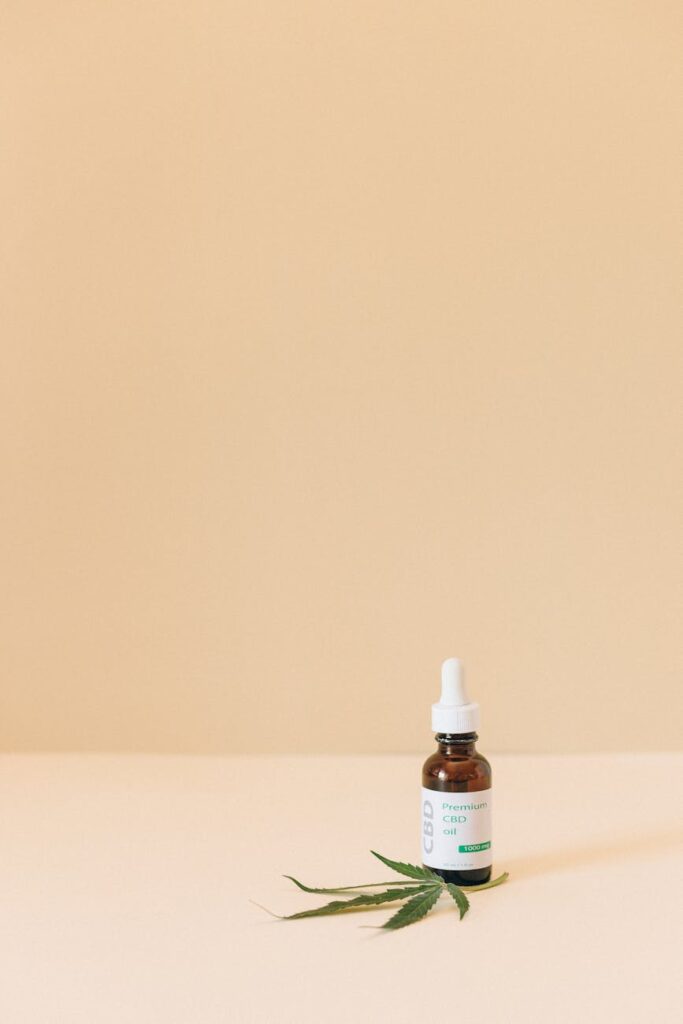
How to Use Hemp Oil
Introduction
Hemp oil has gained significant attention in recent years, celebrated for its versatile applications and potential benefits. Derived from the seeds of the hemp plant (Cannabis sativa), this oil is distinct from other cannabis products, particularly those containing high levels of tetrahydrocannabinol (THC). As interest in natural wellness continues to grow, understanding how to effectively use hemp oil can empower individuals to explore its properties and integrate it into their daily routines.
What Is Hemp Oil?
Hemp oil, often referred to as hemp seed oil, is extracted from the seeds of the hemp plant. Unlike cannabis oil, which is made from the leaves, flowers, and stalks of the plant, hemp oil is a cold-pressed oil that retains the nutrients found in hemp seeds. It is rich in essential fatty acids, such as omega-3 and omega-6, as well as vitamins and minerals that contribute to its nutritional profile.
The extraction process typically involves cold-pressing the seeds, which helps preserve their natural flavor and nutritional content. The resulting oil is light green in color with a nutty flavor, making it suitable for culinary uses as well as topical applications.
Key Benefits and Properties
Hemp oil is celebrated for its rich nutrient profile, and it boasts several beneficial properties:
1. Rich in Essential Fatty Acids: Hemp oil contains a balanced ratio of omega-3 and omega-6 fatty acids, which are essential for various bodily functions, including heart health and brain function.
2. Vitamins and Minerals: It is a source of vitamins A, C, and E, as well as minerals such as magnesium, calcium, and potassium. These nutrients contribute to overall health and wellness.
3. Antioxidant Properties: Hemp oil contains antioxidants such as tocopherols and phenolic compounds, which can help protect cells from oxidative stress.
4. Moisturizing Qualities: Due to its emollient properties, hemp oil is often used in skincare products to help hydrate and nourish the skin.
5. Anti-Inflammatory Effects: Some studies suggest that the fatty acids in hemp oil may have anti-inflammatory properties, which can be beneficial for skin conditions and overall health.
Common Uses
Hemp oil’s versatility allows for a wide range of uses, including:
1. Culinary Applications
Hemp oil can be used in various culinary applications, such as salad dressings, smoothies, and baking. Its nutty flavor enhances dishes while providing nutritional benefits. However, it should not be heated to high temperatures, as this can degrade its quality and nutritional content.
2. Skincare and Beauty
Due to its moisturizing properties, hemp oil is commonly found in skincare products. It can be applied directly to the skin to hydrate and soothe dryness or incorporated into lotions, creams, and balms.
3. Hair Care
Hemp oil can also be beneficial for hair health. It can be used as a conditioning treatment to nourish and strengthen hair, helping to reduce breakage and improve shine.
4. Supplementation
Some individuals choose to consume hemp oil as a dietary supplement for its nutritional benefits. It is available in capsule form or as a liquid extract.
Aromatherapy Applications
Aromatherapy involves the use of essential oils for therapeutic purposes, and while hemp oil itself is not an essential oil, it can complement other essential oils in various applications. Here are a few ways to incorporate hemp oil into aromatherapy:
1. Carrier Oil for Essential Oils
Hemp oil can serve as an effective carrier oil, diluting essential oils for topical application. Its moisturizing properties make it an excellent base for blends intended for massage or skin care.
2. Diffusion Blends
While hemp oil is not typically diffused, it can be combined with essential oils for topical application after dilution. Blending it with calming essential oils like lavender or frankincense can enhance relaxation and promote a sense of well-being.
3. Bath Soaks
Adding hemp oil to a warm bath can create a luxurious and hydrating experience. Combine it with essential oils such as chamomile or ylang-ylang for added aromatic benefits.
Safety Considerations
While hemp oil is generally regarded as safe for most individuals, there are several considerations to keep in mind:
1. Allergic Reactions: Some people may be allergic to hemp or hemp-derived products. It is advisable to perform a patch test when using it topically for the first time.
2. Quality and Purity: The quality of hemp oil can vary significantly between brands. It is essential to choose products that are cold-pressed, organic, and free from additives or contaminants.
3. Consultation with Professionals: Individuals considering the use of hemp oil for specific health purposes should consult with a healthcare professional or a qualified aromatherapist, especially if they have pre-existing medical conditions or are pregnant or nursing.
Storage and Shelf Life
Proper storage is crucial for maintaining the quality of hemp oil. Here are some tips for optimal storage:
- Keep in a Cool, Dark Place: Store hemp oil in a cool, dark location away from direct sunlight to prevent oxidation and degradation.
- Use Amber or Dark Glass Bottles: These types of containers can help protect the oil from light exposure.
- Seal Tightly: Always ensure that the bottle is tightly sealed after use to minimize exposure to air, which can lead to rancidity.
The shelf life of hemp oil is typically around 6 to 12 months when stored properly. Always check for any changes in color, smell, or consistency before use.
Frequently Asked Questions
1. Can I use hemp oil for cooking?
Yes, hemp oil can be used in cooking, particularly in salad dressings and cold dishes. However, it should not be used for frying or cooking at high temperatures.
2. Is hemp oil the same as CBD oil?
No, hemp oil is derived from the seeds of the hemp plant and does not contain significant amounts of cannabinoids like CBD. CBD oil is extracted from the flowers and leaves of the hemp plant and is known for its potential therapeutic effects.
3. Can hemp oil help with skin conditions?
Hemp oil is often used in skincare products due to its moisturizing properties. While it may help soothe dry skin, it is essential to consult a dermatologist for specific skin conditions.
4. How can I incorporate hemp oil into my daily routine?
Hemp oil can be incorporated into your routine in various ways, including adding it to smoothies, using it in salad dressings, applying it to your skin, or using it as a carrier oil for essential oils.
5. Are there any side effects of using hemp oil?
Hemp oil is generally safe for most individuals. However, allergic reactions can occur in some cases. Always perform a patch test before using it topically and consult a healthcare professional if you have concerns.
Conclusion
Hemp oil is a versatile and nutrient-rich oil that offers a variety of applications, from culinary uses to skincare and aromatherapy. Understanding its properties, benefits, and proper usage can help individuals make informed choices about incorporating it into their daily routines. As always, quality matters, so selecting reputable products and consulting with professionals when necessary can enhance the experience of using hemp oil.