
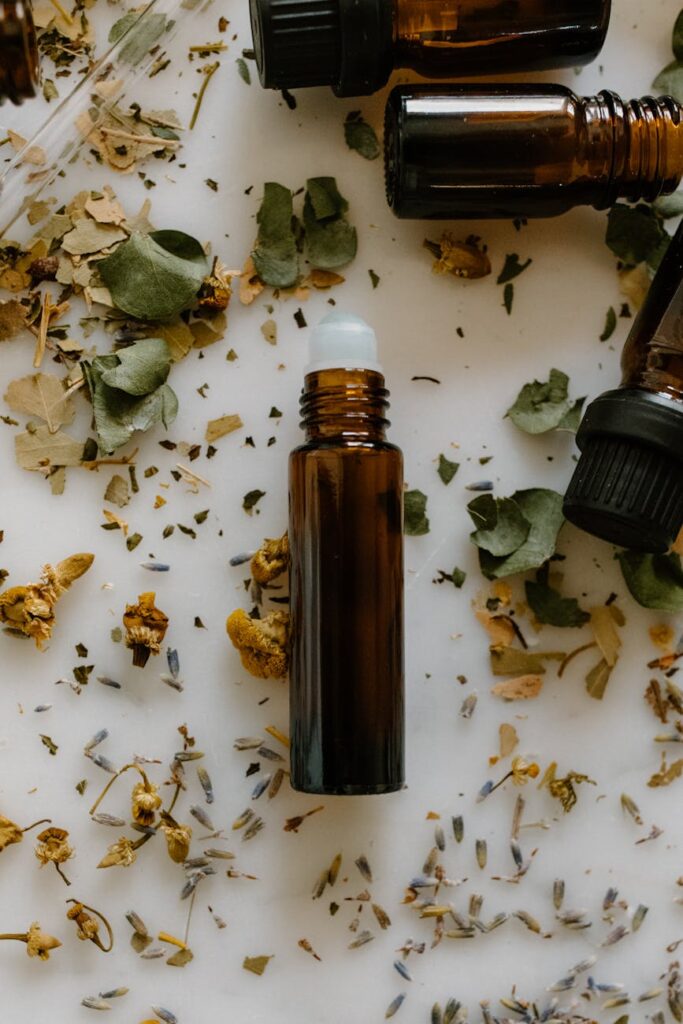
How to Use Herbal Anti-Inflammatory Essential Oil Blends
Introduction
Essential oils have gained popularity in recent years for their potential therapeutic benefits, particularly in the realm of aromatherapy. Among the many categories of essential oils, herbal anti-inflammatory blends have become particularly sought after for their soothing properties. This article explores what these blends are, their benefits, common uses, applications in aromatherapy, safety considerations, and storage tips.
What Is Herbal Anti-Inflammatory Essential Oil Blends?
Herbal anti-inflammatory essential oil blends are mixtures of essential oils derived from various plants known for their anti-inflammatory properties. These oils are extracted through methods such as steam distillation, cold pressing, or solvent extraction. The blends often include oils from herbs and plants like lavender, chamomile, eucalyptus, and peppermint, each contributing unique properties that work synergistically to reduce inflammation.
Composition of Blends
A typical herbal anti-inflammatory essential oil blend may contain:
- Lavender (Lavandula angustifolia): Known for its calming effects, lavender also exhibits anti-inflammatory properties.
- Peppermint (Mentha piperita): Often used for its cooling sensation, peppermint may help alleviate discomfort associated with inflammation.
- Eucalyptus (Eucalyptus globulus): This oil has a fresh scent and is prized for its potential to ease respiratory inflammation.
- Chamomile (Matricaria chamomilla): Chamomile is often used for its calming properties and may contribute to reducing inflammation.
- Reduction of Inflammation: Certain compounds in these oils may help lower swelling and redness in tissues.
- Pain Relief: Many users report relief from discomfort associated with inflammation when using these blends.
- Calming Effects: The aromatic properties can provide a sense of relaxation, which may be beneficial in managing stress-related inflammation.
- Antimicrobial Properties: Some essential oils have natural antibacterial and antifungal effects, supporting overall health and immune function.
- Dilution: Always dilute essential oils in a carrier oil before topical application to prevent skin irritation. A general rule is to use a 2-5% dilution.
- Patch Test: Conduct a patch test by applying a small amount of the diluted blend to a discreet area of skin to check for any allergic reactions.
- Pregnancy and Nursing: Consult with a healthcare professional before using essential oils if you are pregnant or nursing.
- Children and Pets: Some essential oils may not be safe for use around children or pets. Research specific oils and consult experts if necessary.
- Avoid Sensitive Areas: Do not apply essential oils to sensitive areas such as the eyes or mucous membranes.
- Cool, Dark Place: Store oils in a cool, dark area away from direct sunlight and heat to prevent degradation of the oils.
- Seal Tightly: Ensure that bottles are tightly sealed to minimize exposure to air, which can oxidize oils.
- Label Clearly: Clearly label each blend with the date of creation and its ingredients for easy identification.
These oils are usually blended with a carrier oil, such as jojoba or sweet almond oil, to facilitate safe application on the skin.
Key Benefits and Properties
Herbal anti-inflammatory essential oil blends offer a variety of benefits, which may include:
Common Uses
Herbal anti-inflammatory essential oil blends can be utilized in various ways, including:
1. Topical Application: When diluted with a carrier oil, these blends can be applied directly to areas experiencing inflammation or pain.
2. Diffusion: Inhaling the aromatic compounds through a diffuser can help create a calming environment while potentially reducing stress-related inflammation.
3. Baths: Adding a few drops of the blend to a warm bath can provide both relaxation and topical benefits.
4. Massage: Incorporating the blends into massage oils can enhance the soothing effects during a massage.
Aromatherapy Applications
Aromatherapy is a holistic practice that harnesses the power of essential oils to promote physical and emotional well-being. Here are some ways to effectively use herbal anti-inflammatory essential oil blends in aromatherapy:
1. Diffusion
Using a diffuser is one of the most popular methods for dispersing essential oils into the air. To create a soothing atmosphere, add several drops of the herbal anti-inflammatory blend to a water-filled diffuser. This method not only fills the room with calming scents but may also help promote relaxation.
2. Inhalation
For a quick and effective method, direct inhalation can be employed. Place a few drops of the essential oil blend on a tissue or cotton ball and inhale deeply. This technique can provide immediate relief and promote a sense of calm.
3. In-Home Spa
Transform your bathroom into a spa-like environment by adding a few drops of the essential oil blend to a warm bath. This not only allows for topical benefits but also creates a sensory experience through the aromatic properties of the oils.
4. Meditation and Yoga
Incorporate the herbal anti-inflammatory blend into your meditation or yoga practice. Applying a small amount to pulse points or using a diffuser can create a calming space that enhances focus and relaxation.
Safety Considerations
While herbal anti-inflammatory essential oil blends offer numerous benefits, it is essential to be mindful of safety practices:
Storage and Shelf Life
Proper storage of herbal anti-inflammatory essential oil blends is essential to maintain their efficacy. Here are some tips:
The shelf life of essential oils varies, but most can last anywhere from 1 to 3 years, depending on the type of oil and storage conditions. Citrus oils tend to have a shorter shelf life, while oils from roots and woods may last longer.
Frequently Asked Questions
1. Can herbal anti-inflammatory essential oil blends be ingested?
In general, ingesting essential oils is not recommended without the guidance of a qualified healthcare professional. Many essential oils are concentrated and can be toxic if consumed improperly.
2. How often can I use herbal anti-inflammatory blends?
Usage can vary depending on individual needs and the specific blend. It is advisable to start with small amounts and observe how your body reacts. Consult with an aromatherapy practitioner for personalized guidance.
3. Are there any side effects associated with herbal anti-inflammatory essential oil blends?
While many individuals use essential oils without adverse effects, some may experience skin irritation or allergic reactions. Always perform a patch test and consult with a healthcare professional if you have concerns.
4. Can I create my own herbal anti-inflammatory essential oil blends?
Yes, many individuals enjoy blending their own oils. Research the properties of various essential oils and experiment with different combinations, always adhering to safety practices for dilution and application.
5. How do I know if a blend is effective?
Effectiveness can be subjective and may vary from person to person. Pay attention to your body’s response and consult with aromatherapy professionals for advice tailored to your specific needs.
Conclusion
Herbal anti-inflammatory essential oil blends can be a valuable addition to one’s wellness routine. From topical applications to diffusion methods, these blends offer various ways to potentially support relaxation and well-being. As with any natural product, it is essential to prioritize safety and consult professionals when necessary. By understanding how to effectively use and store these blends, individuals can harness the benefits of herbal essential oils in their daily lives.