
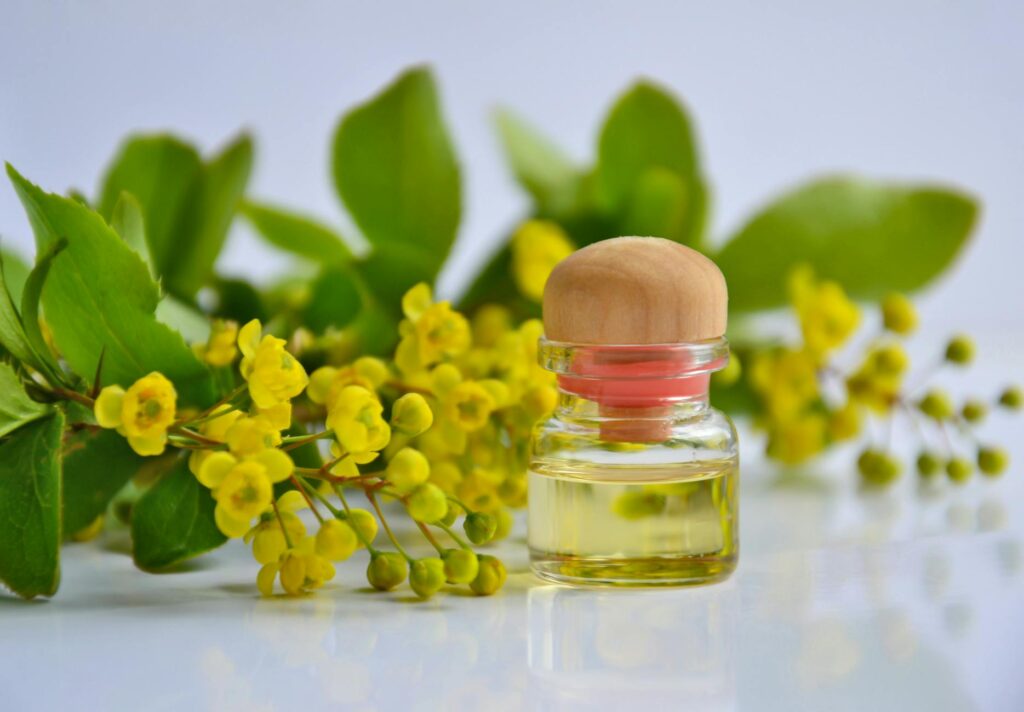
How to Use Herbal Essential Oils
Introduction
Herbal essential oils have gained significant attention in recent years for their potential benefits in promoting wellness, relaxation, and overall quality of life. Derived from various parts of plants, these concentrated oils capture the essence of the plant’s aroma and therapeutic properties. This article delves into the world of herbal essential oils, exploring what they are, their benefits, common uses, and safety considerations, among other topics.
What Is Herbal Essential Oils?
Herbal essential oils are volatile aromatic compounds extracted from different parts of plants, including leaves, flowers, stems, and roots. The extraction methods typically include steam distillation, cold pressing, or solvent extraction, depending on the plant material and the desired qualities of the oil. Each essential oil has its unique chemical composition, contributing to its specific scent and therapeutic properties.
These oils are used not only for their fragrances but also for their potential to influence mood and promote relaxation. Common examples of herbal essential oils include lavender, peppermint, eucalyptus, and tea tree oil, each possessing distinct characteristics that can be harnessed in various contexts.
Key Benefits and Properties
Herbal essential oils are known for their wide-ranging properties, which can include:
1. Aromatherapy: The most well-known use of essential oils, where scents can influence mood and emotions.
2. Antioxidant Properties: Many essential oils contain compounds that can help neutralize free radicals in the body.
3. Anti-inflammatory Effects: Certain oils may help reduce inflammation, providing relief for various conditions.
4. Antimicrobial Activity: Some essential oils possess natural antimicrobial properties, which can help inhibit the growth of bacteria, fungi, and viruses.
5. Relaxation and Stress Relief: Oils such as lavender and chamomile are often used to promote relaxation and reduce anxiety levels.
6. Digestive Support: Oils like peppermint may aid digestion and alleviate discomfort related to digestive issues.
It is important to note that while many people find benefits from using herbal essential oils, scientific research is still ongoing to fully understand their mechanisms and efficacy.
Common Uses
Herbal essential oils can be utilized in various ways, depending on personal preferences and desired outcomes:
1. Diffusion: Adding a few drops of essential oil to a diffuser can disperse the oil into the air, creating a pleasant atmosphere and promoting emotional well-being.
2. Topical Application: Essential oils can be diluted with a carrier oil (like coconut or jojoba oil) and applied to the skin for localized benefits. Common areas for application include pulse points, temples, and sore muscles.
3. Bathing: Incorporating essential oils into bathwater can enhance relaxation and provide a soothing experience. A few drops mixed with a carrier oil can be added to a warm bath.
4. Inhalation: Inhaling essential oils directly from the bottle or from a tissue can provide immediate effects, especially for oils known to clear the airways or promote mental clarity.
5. Household Cleaning: Certain essential oils, such as tea tree oil and lemon oil, can be used in homemade cleaning solutions due to their antimicrobial properties.
6. Cooking and Food Flavoring: Some essential oils, like peppermint or lemon, can be used in cooking or baking, but it is crucial to ensure that they are food-grade and used in moderation.
Aromatherapy Applications
Aromatherapy is a holistic practice that utilizes the scents of essential oils to promote emotional and physical well-being. Here are some common aromatherapy applications:
1. Stress Relief: Oils such as lavender and bergamot are often diffused in stressful environments to create a calming atmosphere.
2. Enhancing Focus: Citrus oils like lemon or grapefruit can invigorate the senses and sharpen concentration, making them suitable for workspaces.
3. Sleep Aid: Lavender and chamomile oils can be beneficial when used in a bedtime routine to encourage relaxation and improve sleep quality.
4. Mood Enhancement: Essential oils like ylang-ylang and frankincense can uplift mood and are often used in personal care products or diffusers.
5. Respiratory Support: Oils such as eucalyptus and peppermint can be beneficial during cold seasons and are often added to steam inhalation practices.
To effectively use essential oils for aromatherapy, it is essential to understand the specific properties of each oil and to select those that align with your goals.
Safety Considerations
While herbal essential oils can offer various benefits, it is crucial to be aware of safety measures:
1. Dilution: Essential oils are highly concentrated and should always be diluted in a carrier oil for topical applications to prevent skin irritation. A typical dilution ratio is 2-3 drops of essential oil per teaspoon of carrier oil.
2. Patch Test: Before applying an essential oil to a larger area of the skin, it is advisable to conduct a patch test by applying a diluted version to a small patch of skin to check for adverse reactions.
3. Pregnancy and Nursing: Some essential oils are not recommended for pregnant or nursing women. Always consult a knowledgeable source before use during these times.
4. Children and Pets: Exercise caution when using essential oils around children and pets, as certain oils can be harmful. Always consult a veterinarian for pet safety and consider child-safe oils for young ones.
5. Quality Matters: Ensure you purchase essential oils from reputable suppliers. Look for oils that are labeled as 100% pure and free from synthetic additives or fillers.
6. Avoid Ingestion: Unless specifically labeled as safe for ingestion and approved for culinary use, do not consume essential oils.
Storage and Shelf Life
Proper storage of herbal essential oils is crucial to maintain their potency and aroma. Here are some guidelines:
1. Cool, Dark Place: Store essential oils in a cool, dark place away from direct sunlight, which can degrade their quality.
2. Tightly Sealed Containers: Use dark glass containers with tight-fitting lids to minimize exposure to air and light, both of which can affect the oil’s properties.
3. Avoid Heat Sources: Keep oils away from heat sources, such as radiators or stoves, which can alter their chemical composition.
4. Shelf Life: The shelf life of essential oils varies by type but generally ranges from 1 to 5 years. Citrus oils may have a shorter shelf life, while oils like sandalwood or patchouli can last longer. Always check for changes in smell or consistency, which may indicate that the oil has gone rancid.
Frequently Asked Questions
Q: Can I mix different essential oils?
A: Yes, blending essential oils can create unique scent profiles and synergistic effects. However, it is advisable to research the properties of each oil to ensure compatibility.
Q: How do I choose the right essential oil for my needs?
A: Consider what you want to achieve, whether it’s relaxation, focus, or respiratory support. Research the properties and benefits of various oils to find those that align with your goals.
Q: Are there any essential oils that should be avoided?
A: Yes, some essential oils can be sensitizing or irritating to the skin. It is essential to research each oil and consult reputable sources for guidance, especially if you have sensitive skin.
Q: Can essential oils go bad?
A: Yes, essential oils can degrade over time, particularly if not stored correctly. Always check for changes in aroma or consistency and discard any oils that seem off.
Q: Are essential oils safe for everyone?
A: While many people use essential oils without issues, they may not be suitable for everyone. Pregnant women, nursing mothers, children, and pets may require special considerations, so consult a knowledgeable source before use.
Conclusion
Herbal essential oils offer a versatile and aromatic approach to enhancing well-being. Understanding their properties, uses, and safety considerations empowers individuals to incorporate these oils into their lives meaningfully. Whether through diffusion, topical application, or aromatherapy practices, the potential benefits of herbal essential oils are vast and varied. As with any wellness practice, informed use and respect for the natural world can lead to enriching experiences with these potent plant extracts.