
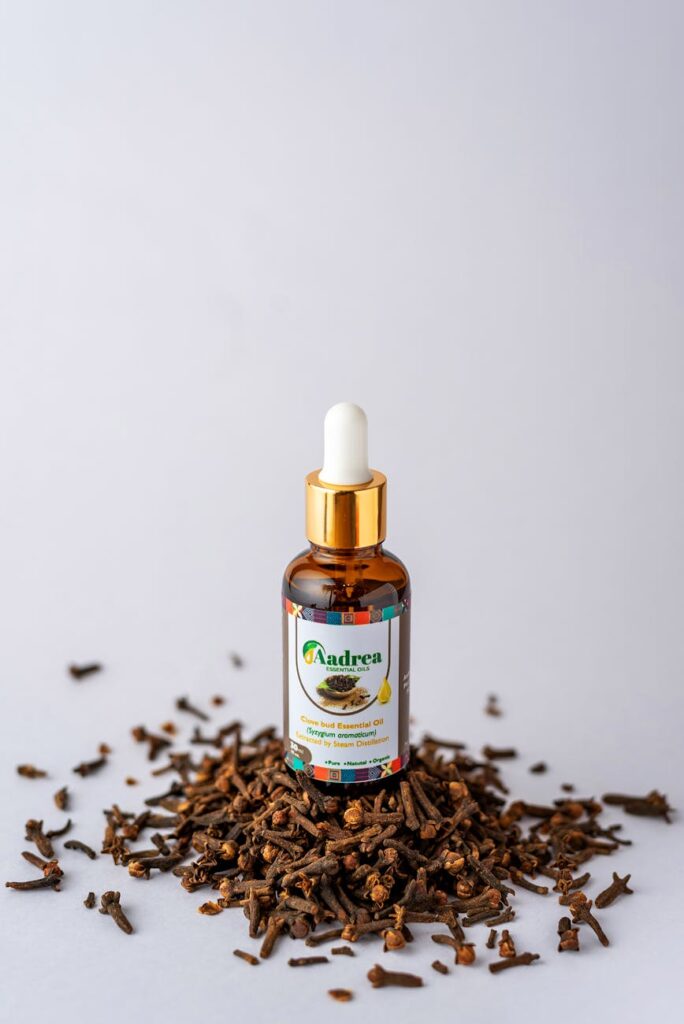
How to Use Herbal Extracts
Introduction
Herbal extracts have been utilized for centuries across various cultures for their therapeutic properties and aromatic qualities. With the rise of natural remedies and holistic practices, understanding how to effectively use herbal extracts has gained significance among enthusiasts and practitioners alike. This article delves into the nature of herbal extracts, their benefits, applications, and safe usage guidelines, providing a comprehensive overview for those interested in incorporating these natural substances into their daily routines.
What Are Herbal Extracts?
Herbal extracts are concentrated preparations derived from plants, capturing their active compounds, aromas, and flavors. These extracts can be obtained through various methods, including maceration, steam distillation, and solvent extraction. The resulting products can vary in potency and composition, depending on the extraction method used and the plant parts involved, such as leaves, flowers, roots, or seeds.
The two primary categories of herbal extracts are:
1. Liquid Extracts: These include tinctures, infusions, and essential oils. Liquid extracts are often more potent and may be used in smaller quantities.
2. Solid Extracts: These are often in the form of powders or pastes, typically produced through evaporation or concentration of the plant material.
Understanding these categories helps in selecting the appropriate type of extract for specific applications.
Key Benefits and Properties
Herbal extracts are celebrated for a multitude of benefits, largely attributed to their rich phytochemical profiles. Some of the key benefits include:
- Therapeutic Properties: Many herbal extracts contain compounds known for their anti-inflammatory, antioxidant, or calming effects. For example, chamomile extract is often recognized for its soothing properties.
- Aromatic Qualities: The natural fragrances of herbal extracts can enhance mood and create a pleasant atmosphere, making them popular in both personal care products and home fragrances.
- Versatility: Herbal extracts can be used in various forms, including topical applications, inhalation, or ingestion (when safe and appropriate).
- Natural Alternatives: Many individuals turn to herbal extracts as a natural alternative to synthetic products, supporting a holistic lifestyle.
- Diffusion: Using an essential oil diffuser, one can disperse the aromatic compounds throughout a space, enhancing mood and creating a calming atmosphere. Common oils for diffusion include lavender, eucalyptus, and citrus oils.
- Topical Application: When diluted with a carrier oil (such as jojoba, almond, or coconut oil), essential oils can be applied directly to the skin. This method is often used in massage practices or for localized treatment.
- Inhalation: Simply inhaling the aroma from an essential oil bottle or a cotton ball can provide immediate olfactory benefits. This method can be particularly effective for managing stress or promoting alertness.
- Baths: Adding a few drops of essential oil to bathwater, combined with a carrier oil or a bath salt, can create a relaxing and aromatic bathing experience.
- Compresses: For localized relief, a compress can be made by adding essential oils to water, soaking a cloth, and applying it to the affected area.
- Dilution: Essential oils should always be diluted before topical application to avoid skin irritation. A common guideline is to use a 1-3% dilution (1-3 drops of essential oil per teaspoon of carrier oil).
- Allergic Reactions: Conduct a patch test before using a new herbal extract on the skin to check for potential allergic reactions.
- Pregnancy and Nursing: Certain herbal extracts may not be suitable for pregnant or nursing individuals. It is advisable to consult a healthcare professional before use.
- Children and Pets: Some essential oils can be harmful to children and pets. Always research the safety of specific extracts before use around these groups.
- Quality of Extracts: Opt for high-quality, pure herbal extracts from reputable sources. The quality of the extract can significantly impact its effectiveness and safety.
- Cool, Dark Place: Store extracts in a cool, dark location to prevent degradation from heat and light. A cabinet or drawer away from direct sunlight is ideal.
- Tightly Sealed Containers: Ensure that containers are tightly sealed to prevent evaporation and contamination.
- Labeling: Clearly label all extracts with the name, date of extraction, and any dilution information. This practice helps keep track of shelf life and usage.
- Shelf Life: The shelf life of herbal extracts can vary. Typically, essential oils can last from 1 to 3 years, while tinctures may last longer due to their alcohol content. Always check for any changes in smell, color, or consistency as indicators of spoilage.
Common Uses
Herbal extracts have a wide range of uses across different fields, including:
1. Cosmetics and Skincare: Extracts such as lavender, rose, and tea tree are commonly found in lotions, creams, and serums, known for their soothing and healing properties.
2. Culinary Applications: Herbal extracts, particularly culinary herbs like basil, oregano, and rosemary, can enhance flavor in cooking and baking. They can also be used in herbal teas and infusions.
3. Household Products: Many household cleaners and air fresheners incorporate herbal extracts for their natural antimicrobial properties and pleasant scents.
4. Aromatherapy: Certain extracts are essential in aromatherapy practices, providing both emotional and physical benefits through inhalation or topical application.
5. Natural Remedies: While not a substitute for professional medical advice, herbal extracts are used by many for wellness purposes, such as promoting relaxation or supporting digestion.
Aromatherapy Applications
Aromatherapy is one of the most popular applications of herbal extracts, particularly essential oils. Here are some common methods of application:
Safety Considerations
While herbal extracts can offer many benefits, it is important to use them safely. Here are some key safety considerations:
Storage and Shelf Life
Proper storage of herbal extracts is essential to maintain their potency and effectiveness. Here are some tips for storing herbal extracts:
Frequently Asked Questions
What is the difference between essential oils and herbal extracts?
Essential oils are concentrated extracts obtained through distillation or cold pressing, capturing the aromatic compounds of plants. Herbal extracts, on the other hand, can include a broader range of methods and may not be solely focused on aroma but also on other active compounds present in the plant.
Can I ingest herbal extracts?
Some herbal extracts, particularly tinctures, may be safe for ingestion, but it is crucial to research individual extracts and consult with a healthcare professional. Many essential oils are not recommended for internal use.
How can I find high-quality herbal extracts?
Look for extracts that are organic, sustainably sourced, and free from synthetic additives. Reputable companies will provide information on their sourcing and extraction methods.
How do I know which herbal extract to use?
Selecting an herbal extract depends on your intended use. Research the properties of various extracts and consider what benefits you are seeking, whether for aromatherapy, skincare, or culinary purposes.
Are there any contraindications for using herbal extracts?
Certain herbal extracts may interact with medications or have contraindications for specific health conditions. Always consult with a healthcare professional if you are unsure about using a particular extract.
Conclusion
Herbal extracts offer a wealth of benefits and applications, from enhancing personal wellness to enriching culinary experiences. By understanding their properties, uses, and safety considerations, individuals can confidently incorporate these natural substances into their lives. Whether for aromatherapy, skincare, or household applications, herbal extracts serve as a versatile and valuable addition to a holistic lifestyle. Always approach their use with proper knowledge and respect for the plants from which they are derived.