
How to Use Herbal Immune Defense Essential Oil Blends
Introduction
In an age where wellness has taken center stage, many individuals are turning to natural remedies to support their health. One such remedy is essential oils, particularly herbal immune defense blends. These blends are crafted from various plant materials, offering a holistic approach to enhancing the body’s natural defenses. This article explores what herbal immune defense essential oil blends are, their benefits, common uses, and safety considerations.
What Is Herbal Immune Defense Essential Oil Blends?
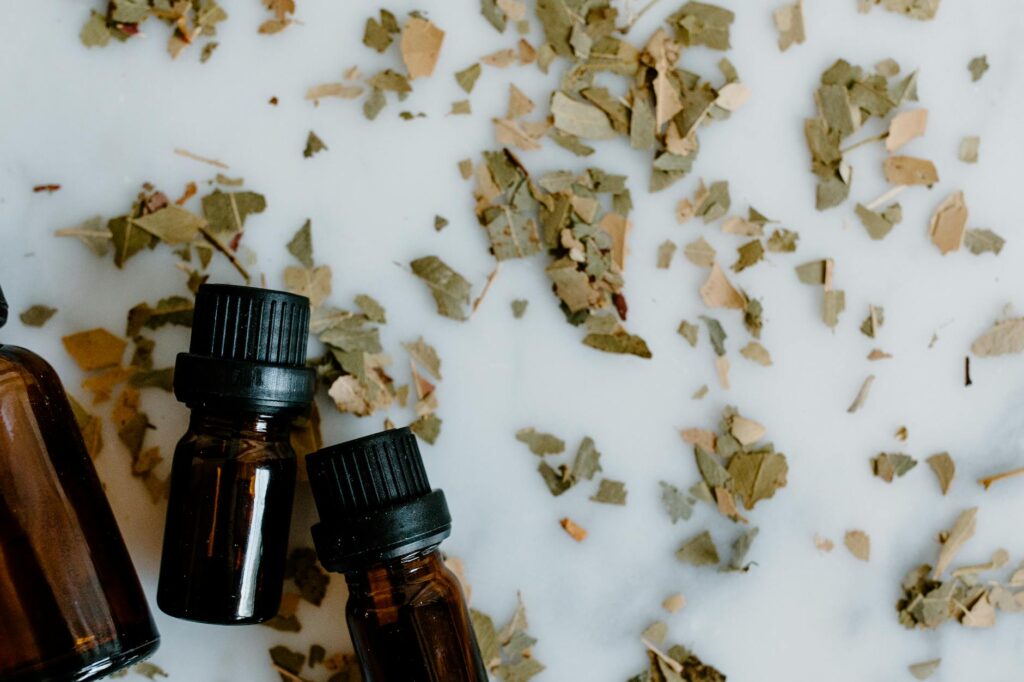
Herbal immune defense essential oil blends are mixtures of essential oils derived from aromatic plants known for their potential to support the immune system. These blends typically incorporate oils from herbs, flowers, and trees, each selected for their unique properties and synergistic effects. Common constituents include oils from eucalyptus, tea tree, lavender, and peppermint, among others.
Essential oils are concentrated extracts obtained through various methods, including steam distillation and cold pressing. They encapsulate the essence of the plant, containing compounds that may influence physical and emotional well-being. When combined, these oils can create a powerful tool for those looking to bolster their immune function naturally.
Key Benefits and Properties
Herbal immune defense essential oil blends offer a variety of potential benefits:
1. Antimicrobial Properties: Many essential oils possess antimicrobial qualities that can help combat bacteria, viruses, and fungi. For example, tea tree oil is renowned for its antibacterial properties, while eucalyptus oil may help clear respiratory pathways.
2. Anti-inflammatory Effects: Certain oils, like lavender and chamomile, are known for their anti-inflammatory properties, which can help reduce inflammation in the body.
3. Stress Relief: Chronic stress can weaken the immune system. Oils like bergamot and frankincense are often used for their calming effects, promoting relaxation and emotional balance.
4. Respiratory Support: Essential oils such as peppermint and eucalyptus are commonly used to support respiratory health. They can help open airways and promote easier breathing.
5. Antioxidant Activity: Some essential oils contain antioxidants that can help neutralize free radicals, supporting overall wellness.
Common Uses
Herbal immune defense essential oil blends can be utilized in various ways:
1. Diffusion: Adding a few drops of the blend to a diffuser can fill a room with aromatic compounds, promoting emotional well-being and potentially enhancing the immune system.
2. Topical Application: Diluting essential oils in a carrier oil and applying them to the skin can provide localized benefits. This method is often used for respiratory support or to soothe inflammation.
3. Inhalation: Direct inhalation of the aroma from the bottle or a cotton ball can provide immediate relief for respiratory discomfort and support emotional well-being.
4. Bath Soaks: Adding essential oils to a warm bath can create a relaxing environment, enhancing the overall experience and promoting emotional and physical wellness.
5. Incorporation into Household Products: Essential oils can be added to homemade cleaning products or personal care items for their antimicrobial properties and pleasant fragrances.
Aromatherapy Applications
Aromatherapy is the practice of using essential oils for therapeutic purposes. Here are some common applications for herbal immune defense blends:
- Stress Management: Use calming oils like lavender and bergamot in a diffuser during stressful times to promote relaxation.
- Cold and Allergy Relief: Oils such as eucalyptus and peppermint can be diffused or used in steam inhalation to relieve symptoms of colds and allergies.
- Immune System Support: Regularly diffusing a blend rich in antimicrobial properties may help support the immune system, especially during seasonal changes.
- Self-Care Rituals: Incorporating essential oils into daily self-care practices, such as yoga or meditation, can enhance the experience by promoting mental clarity and emotional balance.
- Dark Glass Containers: Store essential oils in dark glass bottles to protect them from light degradation. Amber or cobalt blue bottles are ideal.
- Cool, Dry Place: Keep oils in a cool, dry place away from direct sunlight and heat sources. A cabinet or drawer is often suitable.
- Tight Seals: Ensure that the lids of bottles are tightly sealed to prevent evaporation and contamination.
- Shelf Life: The shelf life of essential oils varies. Citrus oils typically last about one to two years, while oils like sandalwood can last for several years. Always check for changes in aroma or consistency, which can indicate spoilage.
Safety Considerations
While essential oils are natural, they are highly concentrated and should be used with caution. Here are some important safety considerations:
1. Dilution: Always dilute essential oils in a carrier oil before applying them to the skin. Recommended dilution ratios typically range from 1% to 5%, depending on the oil and the individual’s sensitivity.
2. Patch Test: Conduct a patch test before using a new essential oil to check for allergic reactions. Apply a small amount of diluted oil to a discreet area of skin and observe for any adverse reactions over 24 hours.
3. Avoiding Sensitive Areas: Keep essential oils away from sensitive areas, such as the eyes and mucous membranes.
4. Pregnancy and Nursing: Some essential oils may not be safe for use during pregnancy or while nursing. Consult a qualified practitioner if unsure.
5. Children and Pets: Certain essential oils can be harmful to children and pets. Ensure that any oils used in homes with children or animals are safe for those demographics.
6. Quality of Oils: Use high-quality essential oils from reputable sources to ensure purity and efficacy. Look for oils that are labeled as 100% pure and free from synthetic additives.
Storage and Shelf Life
Proper storage of essential oils is essential for maintaining their potency and quality. Here are some storage tips:
Frequently Asked Questions
1. Can I use herbal immune defense essential oil blends every day?
Yes, many individuals use essential oils daily as part of their wellness routine. However, it is advisable to rotate oils and blends to prevent sensitivity.
2. Are essential oils safe for children?
While some essential oils are safe for children, others can be too potent. It is crucial to consult guidelines or a qualified practitioner when using essential oils around children.
3. How do I choose the right essential oil blend for my needs?
Selecting an essential oil blend depends on your specific goals. For immune support, look for blends containing antimicrobial and anti-inflammatory oils. For stress relief, consider calming oils.
4. Can essential oils replace medications?
Essential oils are not a substitute for professional medical treatment. They can be used to complement a wellness routine but should not replace prescribed medications.
5. How can I incorporate essential oils into my daily routine?
You can incorporate essential oils through diffusion, topical application, bath soaks, and even by adding them to household products. Experiment with various methods to find what works best for you.
In summary, herbal immune defense essential oil blends offer a natural way to support health and well-being. By understanding their properties, benefits, and proper usage, individuals can incorporate these aromatic treasures into their daily lives effectively and safely.