
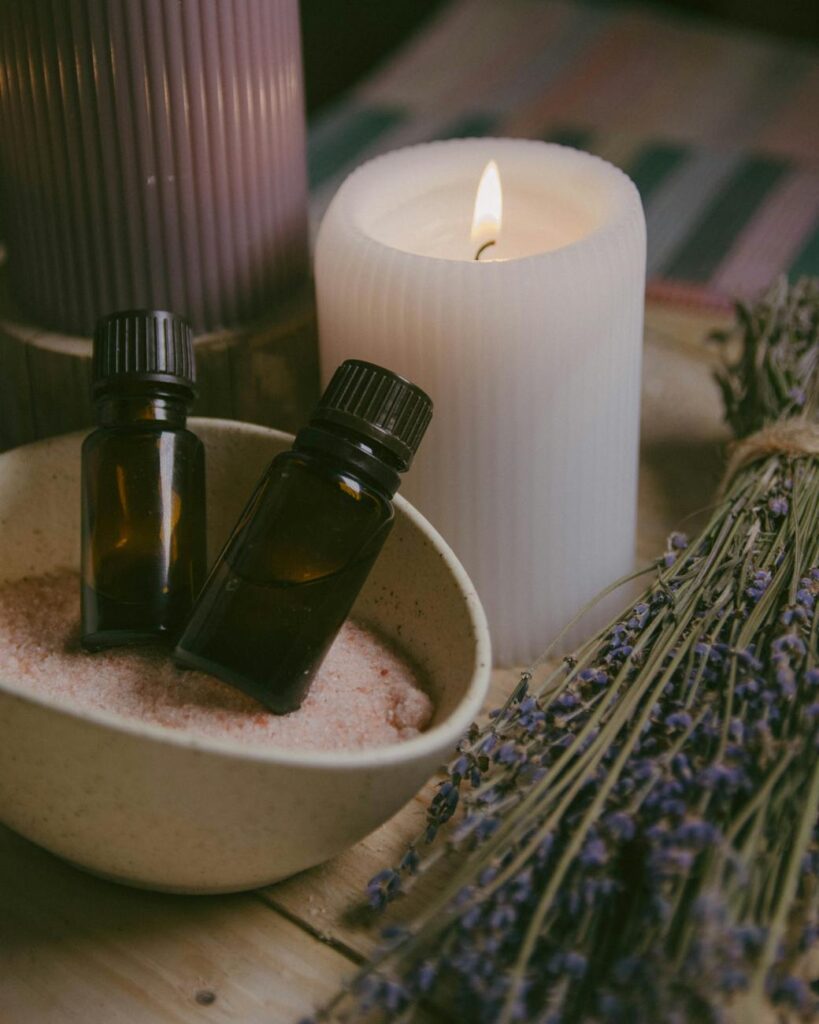
How to Use Herbal Infused Candles for Aromatherapy
Introduction
Aromatherapy is a holistic practice that harnesses the power of essential oils and natural fragrances to enhance emotional and physical well-being. One innovative and aesthetically pleasing way to enjoy the benefits of aromatherapy is through herbal infused candles. These candles not only provide illumination but also release aromatic compounds that can uplift moods, promote relaxation, and create a serene atmosphere. This article explores the concept of herbal infused candles, their benefits, uses, applications, and important safety considerations.
What Are Herbal Infused Candles for Aromatherapy?
Herbal infused candles are candles that incorporate essential oils, herbal extracts, or dried herbs into their composition. These candles are typically made from natural waxes, such as beeswax, soy wax, or palm wax, combined with a blend of essential oils sourced from herbs, flowers, and plants. The infusion of these natural elements allows the candles to emit a pleasant aroma when burned, releasing the therapeutic properties associated with the herbs and oils.
The process of creating herbal infused candles can vary, but it generally involves blending essential oils with melted wax and pouring the mixture into a mold or container along with dried herbs for added visual appeal and fragrance. The resulting candles provide not only a source of light but also a means to experience the benefits of aromatherapy through scent.
Key Benefits and Properties
Herbal infused candles offer several key benefits that align with the principles of aromatherapy:
1. Mood Enhancement: The scents emitted from these candles can influence emotions and mental states. For example, lavender is often used for its calming properties, while citrus scents can promote feelings of happiness and energy.
2. Relaxation and Stress Relief: Many herbal scents are known for their ability to reduce stress and promote relaxation. Burning candles infused with chamomile or sandalwood can create a tranquil environment.
3. Improved Focus and Concentration: Certain herbal aromas, such as peppermint and rosemary, are believed to stimulate mental clarity and enhance concentration.
4. Aesthetic Appeal: Herbal infused candles can serve as decorative elements in a home. The addition of dried herbs adds visual interest and can complement various interior design styles.
5. Natural Air Freshening: Instead of synthetic air fresheners, herbal infused candles provide a natural alternative for freshening the air, creating a pleasant atmosphere without harsh chemicals.
Common Uses
Herbal infused candles can be used in a variety of settings and for numerous purposes, including:
1. Home Fragrance: Place candles in living spaces such as the living room, bedroom, or bathroom to create a welcoming and fragrant environment.
2. Meditation and Yoga: Lighting herbal infused candles during meditation or yoga sessions can enhance relaxation and focus, helping to create a peaceful ambiance.
3. Spa and Self-Care Rituals: Incorporate candles into self-care routines, such as baths or facials, to elevate the experience with soothing aromas.
4. Celebrations and Gatherings: Use candles to set the mood for special occasions, dinners, or gatherings, enhancing the overall atmosphere.
5. Gift-Giving: Herbal infused candles make thoughtful gifts, offering a personal touch and promoting wellness.
Aromatherapy Applications
There are numerous ways to apply aromatherapy principles using herbal infused candles. Here are a few common applications:
1. Creating a Relaxing Environment: For an inviting and calming space, burn candles infused with lavender, chamomile, or vanilla. These scents are known for their soothing properties and can help alleviate stress.
2. Enhancing Focus During Work or Study: Candles infused with peppermint, rosemary, or lemon can invigorate the workspace, promoting mental clarity and concentration.
3. Setting the Mood for Romantic Evenings: Use candles with scents like jasmine, ylang-ylang, or sandalwood to create a romantic atmosphere, enhancing intimacy and connection.
4. Supporting Sleep Hygiene: For those seeking better sleep, candles infused with valerian root, lavender, or bergamot can be burned in the evening to signal the body that it is time to wind down.
5. Seasonal Ambiance: Seasonal scents can enhance the mood during different times of the year. For example, cinnamon, clove, and pine are popular during the winter months, while floral scents can brighten the spring and summer months.
Safety Considerations
While herbal infused candles can offer numerous benefits, it is important to consider safety when using them:
1. Quality of Ingredients: Choose candles made from natural waxes and high-quality essential oils. Avoid candles that contain synthetic fragrances or harmful additives.
2. Proper Ventilation: Ensure that rooms are well-ventilated when burning candles to prevent the buildup of smoke or soot and to allow for the dispersal of fragrances.
3. Supervision: Never leave burning candles unattended. Keep them away from flammable materials and out of reach of children and pets.
4. Wick Maintenance: Trim candle wicks to about ¼ inch before lighting to reduce soot and ensure a clean burn.
5. Allergies and Sensitivities: Be mindful of any allergies or sensitivities to specific scents. It’s advisable to test a small area before using a candle extensively.
Storage and Shelf Life
To ensure the longevity of herbal infused candles, proper storage is essential:
1. Cool, Dark Place: Store candles in a cool, dark location away from direct sunlight and heat sources. Exposure to light and heat can degrade the quality of the wax and essential oils.
2. Avoid Moisture: Keep candles dry to prevent mold growth or degradation. Avoid storing them in damp areas.
3. Shelf Life: While candles do not spoil in the traditional sense, their scent can diminish over time. Most herbal infused candles have a shelf life of one to two years, depending on their ingredients and storage conditions.
Frequently Asked Questions
1. How do I choose the right herbal infused candle for my needs?
Consider your intentions for using the candle. For relaxation, look for lavender or chamomile. For focus, consider peppermint or lemon. Choose scents that resonate with your personal preferences.
2. Can I make my own herbal infused candles at home?
Yes, making herbal infused candles at home is a rewarding DIY project. You will need natural wax, essential oils, and dried herbs. There are numerous tutorials available to guide you through the process.
3. How long do herbal infused candles typically burn?
Burn time can vary based on the size and composition of the candle. Generally, a standard-sized candle can burn for 20 to 50 hours, depending on its size and wick maintenance.
4. Are there any specific herbs that are particularly beneficial for aromatherapy?
Common herbs used in aromatherapy include lavender, chamomile, rosemary, peppermint, and eucalyptus. Each herb has unique properties that can influence mood and well-being.
5. Can I use herbal infused candles in aromatherapy diffusers?
While herbal infused candles are not designed for use in diffusers, you can enjoy their benefits by burning them in a well-ventilated space. Essential oils specifically designed for diffusers are more effective for that application.
Conclusion
Herbal infused candles offer a delightful way to experience the benefits of aromatherapy in a soothing and visually pleasing format. By understanding their properties, uses, and applications, individuals can incorporate these candles into their daily routines for enhanced well-being. Whether used for relaxation, focus, or creating a welcoming atmosphere, these candles serve as a beautiful reminder of nature’s ability to influence our senses and emotions. As with any aromatic practice, safety and quality should always be a priority to ensure a fulfilling experience.