
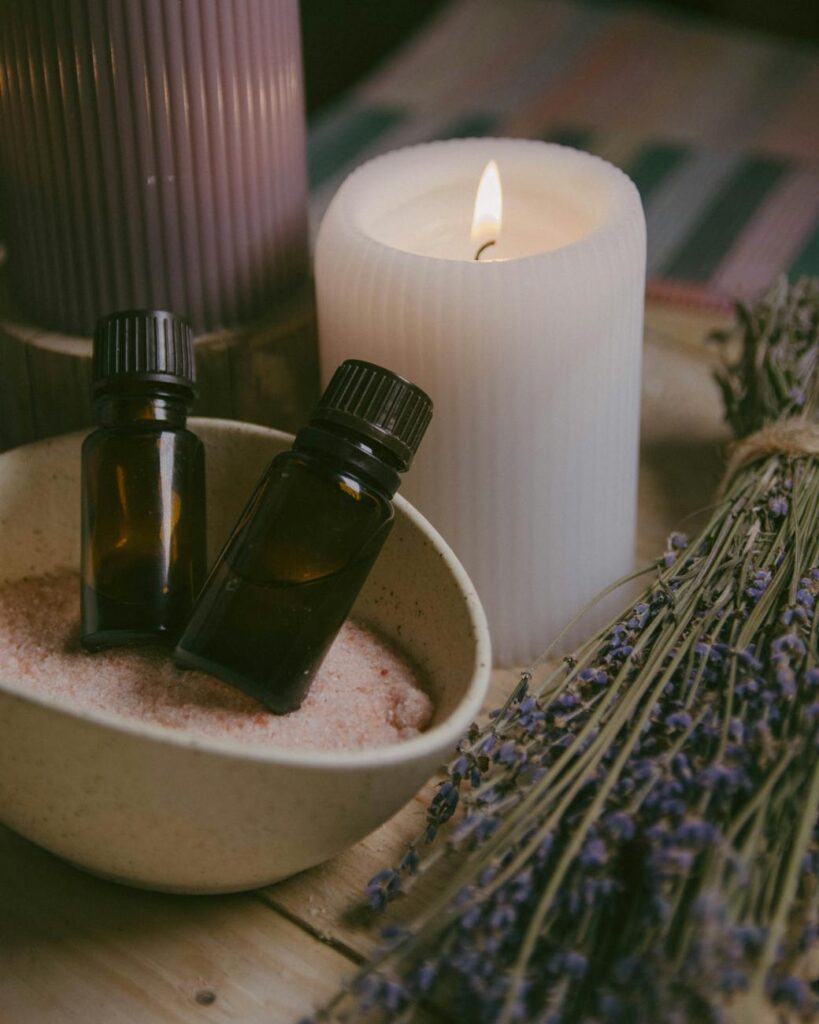
How to Use Herbal Infused Candles
Introduction
In recent years, the allure of herbal infused candles has captivated many individuals seeking to enhance their living spaces with aromatic experiences. Beyond their aesthetic appeal, these candles offer a unique blend of scents derived from natural herbs, providing a sensory journey that can uplift moods, create ambiance, and even promote relaxation. This article delves into the world of herbal infused candles, exploring their properties, benefits, common uses, and safety considerations.
What Is Herbal Infused Candles?
Herbal infused candles are crafted by incorporating various natural herbs and botanical elements into the wax, often combined with essential oils. These candles not only emit light but also release fragrant aromas when burned. The infusion process typically involves steeping dried herbs or adding essential oils directly into the wax, allowing the natural properties of the herbs to permeate the candle.
The types of wax used in these candles can vary, including beeswax, soy wax, or paraffin, with many opting for natural options like soy or beeswax to enhance the eco-friendliness of the product. The choice of herbs and essential oils can be tailored to achieve specific aromatic profiles, resulting in a diverse range of options for users.
Key Benefits and Properties
Herbal infused candles offer several benefits that go beyond their pleasant fragrances:
1. Aromatherapy Effects: Many herbs used in these candles possess natural aromatic properties that can influence mood and emotions. For example, lavender is known for its calming effect, while citrus herbs like lemon balm can invigorate the senses.
2. Natural Ingredients: Unlike conventional candles that may contain synthetic fragrances and chemicals, herbal infused candles often utilize organic and natural materials. This can be particularly appealing to those who prefer holistic living.
3. Mindfulness and Relaxation: The act of lighting a candle and enjoying its fragrance can create a moment of mindfulness, encouraging relaxation and stress relief in a fast-paced world.
4. Decorative Element: Beyond their functional use, these candles can serve as decorative pieces, enhancing the aesthetics of any room. The natural colors and textures of the herbs can add an organic touch to home decor.
5. Environmentally Friendly Options: Many herbal infused candles are made from renewable resources, such as soy or beeswax, which are biodegradable. This sustainability aspect is increasingly important to eco-conscious consumers.
Common Uses
Herbal infused candles can be employed in various settings and situations, including:
1. Home Fragrance: Lighting an herbal infused candle can fill a room with delightful scents, masking unwanted odors and creating a welcoming atmosphere.
2. Meditation and Yoga: The soothing properties of certain herbs make these candles ideal companions for meditation and yoga practices, fostering an environment conducive to relaxation and focus.
3. Special Occasions: These candles can enhance the ambiance of celebrations, such as dinner parties, weddings, or holidays, providing a unique and personalized touch.
4. Self-Care Rituals: Incorporating herbal infused candles into self-care routines, such as baths or spa days, can elevate the experience, promoting relaxation and a sense of well-being.
5. Gift-Giving: Handmade herbal infused candles make thoughtful gifts, particularly for those who appreciate natural products and aromatherapy.
Aromatherapy Applications
When used in aromatherapy, herbal infused candles can be a powerful tool for emotional and psychological well-being. Here are some popular combinations and their potential effects:
1. Lavender and Chamomile: This soothing blend is often used to promote relaxation and sleep, making it ideal for evenings or before bedtime.
2. Peppermint and Eucalyptus: This invigorating combination can help clear the mind and enhance focus, making it suitable for workspaces or study areas.
3. Citrus Blends (Lemon, Orange, and Bergamot): These uplifting scents can create an energizing environment, perfect for social gatherings or mornings.
4. Rosemary and Sage: Known for their cleansing properties, this blend can promote clarity and is often used in spaces that require mental focus.
To maximize the aromatherapy benefits, it is essential to choose high-quality candles made from natural ingredients, as synthetic alternatives may not provide the same effects.
Safety Considerations
While herbal infused candles are generally safe when used properly, there are a few safety considerations to keep in mind:
1. Burning Duration: Avoid burning candles for extended periods. It is advisable to limit burn time to 3-4 hours at a time to prevent overheating and ensure even melting.
2. Wick Maintenance: Keep the wick trimmed to about 1/4 inch before lighting to prevent excessive soot and ensure a steady flame.
3. Ventilation: Always burn candles in well-ventilated areas to avoid the buildup of smoke and fumes.
4. Placement: Position candles away from flammable materials, drafts, and high traffic areas to reduce the risk of accidents.
5. Allergies and Sensitivities: Some individuals may be sensitive to certain herbs or essential oils. It is wise to test a small area of skin if using candles that contain essential oils or to consult with a knowledgeable source if unsure.
Storage and Shelf Life
To maintain the quality and longevity of herbal infused candles, proper storage is essential. Here are some tips:
1. Cool, Dark Place: Store candles in a cool, dark environment away from direct sunlight, which can degrade the wax and herbs over time.
2. Avoid Heat Sources: Keep candles away from heat sources, such as radiators or ovens, which can cause melting or warping.
3. Container Selection: If using glass or ceramic containers, ensure they are kept upright to prevent spills and maintain their shape.
4. Shelf Life: Herbal infused candles can last for several months to years if stored correctly. However, it is recommended to use them within a year for optimal scent and performance.
Frequently Asked Questions
1. How do I choose the right herbal infused candle?
When selecting a herbal infused candle, consider the scents that resonate with you or the environment you aim to create. Look for high-quality ingredients and check for any allergens if you have sensitivities.
2. Can I make my own herbal infused candles?
Yes, making your own herbal infused candles is an enjoyable and rewarding process. You can control the ingredients and customize the scents to your liking. Various online resources and tutorials provide step-by-step instructions.
3. Are herbal infused candles environmentally friendly?
Many herbal infused candles are made from natural materials, such as soy or beeswax, which are biodegradable and renewable. However, always check for eco-friendly certifications and sourcing practices.
4. How can I enhance the scent throw of my herbal infused candle?
To enhance the scent throw, ensure the wick is trimmed, the candle is burned in a well-ventilated area, and avoid drafts. Additionally, consider using larger candles, as they tend to produce a stronger aroma.
5. Can herbal infused candles replace essential oils in aromatherapy?
While herbal infused candles can provide aromatic benefits, they should not entirely replace essential oils. Each has unique properties and uses, and many individuals find value in using both in their wellness practices.
Conclusion
Herbal infused candles offer a delightful and aromatic way to enhance your living spaces while promoting relaxation and mindfulness. With their natural ingredients and various applications, they can become a treasured part of your self-care routine or home decor. By understanding their benefits, uses, and safety considerations, you can fully enjoy the sensory experience that these candles provide. Whether you choose to purchase or create your own, herbal infused candles can illuminate your life in more ways than one.