
How to Use Herbal Infused Lip Balms
Introduction
In the realm of natural beauty and self-care, herbal infused lip balms have garnered significant attention. With their rich blend of botanical ingredients, these balms not only offer hydration but also provide soothing properties that can enhance the overall health of the lips. This article aims to delve into the world of herbal infused lip balms, exploring their formulation, benefits, common uses, and safety considerations.
What Is Herbal Infused Lip Balms?
Herbal infused lip balms are topical products designed to moisturize and protect the lips. Unlike conventional lip balms that may contain synthetic ingredients, herbal infused versions are typically crafted with natural oils, waxes, and extracts derived from various plants and herbs.
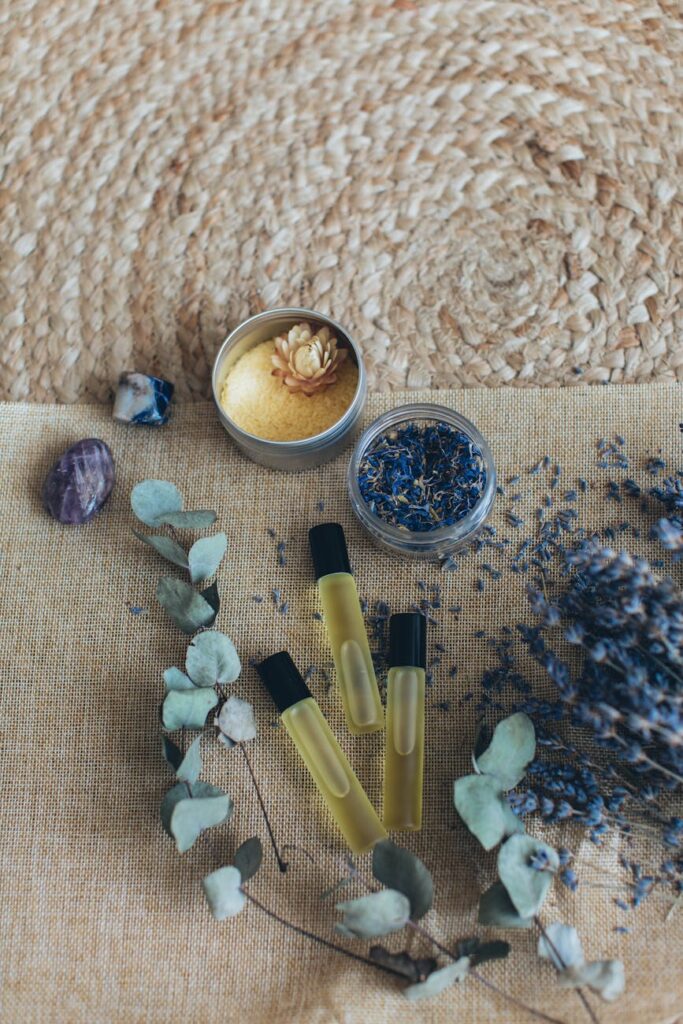
The infusion process involves steeping herbs in carrier oils, allowing the beneficial properties of the herbs to be extracted and incorporated into the final product. Common carrier oils used in these balms include coconut oil, olive oil, and sweet almond oil, while popular herbs may include calendula, chamomile, peppermint, and lavender.
Key Benefits and Properties
Herbal infused lip balms offer a multitude of benefits, making them a popular choice among those seeking natural alternatives for lip care. Some of the key benefits include:
1. Hydration
The primary function of lip balms is to provide moisture to dry and chapped lips. Herbal infused lip balms often contain nourishing oils that lock in moisture, helping to maintain lip suppleness.
2. Soothing Properties
Many herbs possess anti-inflammatory properties that can soothe irritated skin. Ingredients such as calendula and chamomile are known for their calming effects, which can be particularly beneficial for chapped or sensitive lips.
3. Antioxidant Protection
Herbs such as rosemary and green tea are rich in antioxidants, which help to combat free radicals and protect the skin from environmental stressors. This protective barrier may contribute to healthier-looking lips.
4. Natural Aroma
Herbal infused lip balms often carry a pleasant fragrance due to the natural oils and extracts used. This can enhance the sensory experience of using the product, making lip care a more enjoyable ritual.
5. Customizable Formulation
One of the appealing aspects of herbal infused lip balms is the ability to customize formulations according to personal preferences. Users can experiment with different oils, waxes, and herbs to create a unique product tailored to their needs.
Common Uses
Herbal infused lip balms are versatile and can be used in various situations. Some common uses include:
1. Daily Lip Care
Incorporating a herbal infused lip balm into your daily skincare routine can help maintain lip hydration and barrier function, especially in climates that can be harsh on the skin.
2. Protection Against Environmental Factors
Herbal infused lip balms can act as a protective barrier against environmental factors such as wind, cold weather, and sun exposure. Using a balm before going outdoors can help shield the lips from damage.
3. Relief from Chapped Lips
Regular application of herbal infused lip balms can provide relief from the discomfort associated with chapped lips, making them a go-to solution during dry seasons or after prolonged sun exposure.
4. As a Base for Other Products
Some users find that herbal infused lip balms can serve as an excellent base for other lip products. Applying a balm before lip color can create a smoother canvas and enhance the longevity of the color.
5. Aromatherapy Applications
The inclusion of essential oils in herbal infused lip balms can provide additional aromatherapeutic benefits, which may enhance mood and promote relaxation.
Aromatherapy Applications
The aromatic properties of herbal infused lip balms can be harnessed for their potential benefits in aromatherapy. When selecting a lip balm, consider the following essential oils that can enhance your experience:
1. Peppermint
Peppermint essential oil can provide a refreshing and invigorating sensation. It is often used in lip balms for its natural cooling effect.
2. Lavender
Lavender oil is well-known for its calming properties. Incorporating it into a lip balm may help promote relaxation and reduce stress.
3. Lemon
Lemon essential oil offers a bright and uplifting aroma. It may also provide a sense of clarity and focus when inhaled.
4. Tea Tree
Tea tree oil is recognized for its antiseptic properties. Including it in a lip balm may contribute to a feeling of cleanliness and freshness.
5. Rose
Rose oil is often associated with emotional well-being and can impart a sense of warmth and love. It adds a luxurious touch to any lip balm formulation.
When using herbal infused lip balms with essential oils, consider the potency of the oils and their potential effects.
Safety Considerations
While herbal infused lip balms are generally considered safe for topical use, there are several important safety considerations to keep in mind:
1. Skin Sensitivity
Some individuals may experience allergic reactions or skin sensitivities to specific herbs or essential oils. Conducting a patch test before widespread use is advisable.
2. Quality of Ingredients
Ensure that the ingredients used in the formulation are of high quality. Look for organic and non-GMO sources whenever possible to avoid exposure to harmful pesticides or additives.
3. Essential Oil Dilution
If you are formulating your own lip balm and including essential oils, it is crucial to dilute them appropriately. Essential oils are highly concentrated and should be used in moderation.
4. Avoid Ingestion
Herbal infused lip balms are intended for external use only. While some ingredients may be safe to ingest in small amounts, it is best to avoid intentionally consuming lip balm.
5. Storage Conditions
Store herbal infused lip balms in a cool, dry place away from direct sunlight to maintain their efficacy and prolong shelf life.
Storage and Shelf Life
The longevity of herbal infused lip balms depends on the ingredients used and how they are stored. Here are some tips for optimal storage:
1. Airtight Containers
Using airtight containers can help prevent the degradation of oils and maintain the balm’s consistency.
2. Cool, Dark Environment
Storing the lip balm in a cool, dark place can help extend its shelf life. Heat and light can break down the oils and diminish their effectiveness.
3. Check for Signs of Spoilage
Regularly inspect your lip balm for changes in color, scent, or texture. If any signs of spoilage are present, it is best to discard the product.
4. Shelf Life
Typically, herbal infused lip balms can last anywhere from six months to two years, depending on the ingredients and storage conditions. Always refer to the specific formulation for guidance on shelf life.
Frequently Asked Questions
1. Can I make my own herbal infused lip balm at home?
Yes, making your own herbal infused lip balm is a rewarding process. There are numerous recipes available that guide you through the infusion and formulation process.
2. How often should I apply herbal infused lip balm?
The frequency of application may vary based on individual needs and environmental conditions. Generally, applying balm several times a day, especially after eating or drinking, is recommended.
3. Are herbal infused lip balms suitable for children?
Most herbal infused lip balms are safe for children, but it is always best to check the ingredients for potential allergens and consult with a pediatrician if unsure.
4. Can I use herbal infused lip balms on other areas of my skin?
While primarily designed for lips, herbal infused lip balms can be used on other dry areas of the skin, such as cuticles or elbows, as long as the ingredients are safe for those areas.
5. What should I do if I have an allergic reaction to a lip balm?
If you experience an allergic reaction, discontinue use immediately and consult a healthcare professional if symptoms persist.
Conclusion
Herbal infused lip balms present a natural and effective solution for lip care. With their nourishing properties and customizable formulations, they offer benefits that extend beyond simple hydration. By understanding their key properties, common uses, and safety considerations, individuals can embrace the art of herbal lip care, enhancing their beauty regimen while celebrating the wonders of nature. Whether you choose to purchase ready-made balms or embark on a DIY journey, these herbal wonders are sure to elevate your self-care routine.