
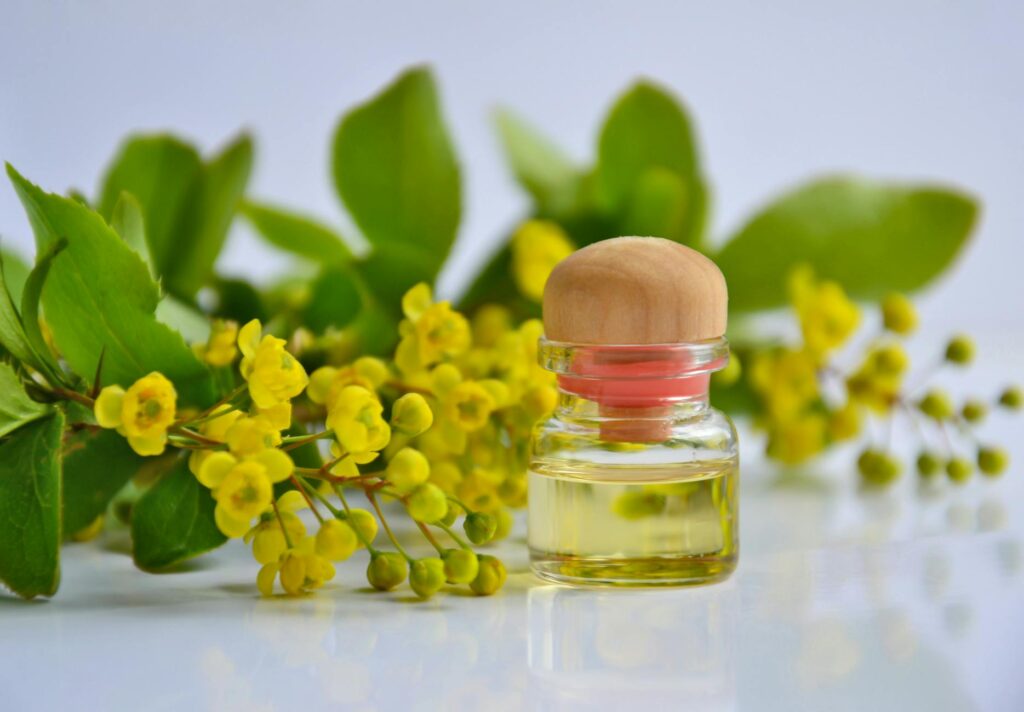
How to Use Herbal Infused Oils for Aromatherapy Blends
Introduction
Aromatherapy is a holistic practice that harnesses the therapeutic properties of essential oils and plant extracts to promote emotional and physical well-being. One of the lesser-known yet impactful components of aromatherapy is herbal infused oils. These oils, derived from the infusion of herbs in carrier oils, can enhance the benefits of essential oils, providing a richer aromatic experience. This article explores the nature of herbal infused oils, their benefits, common uses, applications in aromatherapy, and safety considerations.
What Are Herbal Infused Oils for Aromatherapy Blends?
Herbal infused oils are created by steeping herbs in a carrier oil, allowing the properties of the herbs to be extracted into the oil. This process captures the essence of the herbs, creating a product that is aromatic and rich in phytonutrients. Common carrier oils include olive oil, jojoba oil, and sweet almond oil.
The infusion process typically involves placing dried herbs in a jar and covering them with the chosen carrier oil. The mixture is then left to steep for several weeks, allowing the oil to absorb the colors, fragrances, and beneficial compounds of the herbs. This oil can be used alone or blended with essential oils to create personalized aromatherapy mixtures.
Key Benefits and Properties
Herbal infused oils carry a variety of benefits that can enhance the effects of aromatherapy. Some of the key properties include:
1. Aromatic Qualities: The infusion process extracts the unique scents of the herbs, providing an aromatic base that can enhance the overall sensory experience.
2. Therapeutic Properties: Depending on the herbs used, infused oils can possess calming, uplifting, or grounding properties. For example, lavender-infused oil is known for its soothing effects, while rosemary-infused oil can invigorate the senses.
3. Nutrient-Rich: Herbal infused oils often contain antioxidants, vitamins, and fatty acids from the herbs, which can contribute to skin health and overall wellness.
4. Versatility: These oils can be used in various applications, from massage to skincare, making them a versatile addition to any aromatherapy toolkit.
Common Uses
Herbal infused oils can be employed in various ways, including:
- Massage Oils: Combining infused oils with essential oils can create rejuvenating massage blends that promote relaxation and relief from tension.
- Skin Care: The nourishing properties of herbal infused oils make them suitable for topical application. They can be used to moisturize and soothe the skin or included in homemade skincare products.
- Diffusion: When blended with essential oils, herbal infused oils can be used in diffusers to create a calming or invigorating atmosphere.
- Bathe: Adding infused oils to bathwater can create a luxurious and aromatic bathing experience.
- Hair Treatments: Herbal infused oils can be used as hair treatments to nourish and condition the hair and scalp.
- Allergic Reactions: Always perform a patch test before using a new herbal infused oil on the skin to check for allergic reactions.
- Dilution: When using herbal infused oils topically, ensure they are adequately diluted with a carrier oil, especially for sensitive skin.
- Pregnancy and Nursing: Pregnant or nursing individuals should consult a healthcare professional before using herbal infused oils, as certain herbs may not be safe.
- Children: Use caution when applying herbal infused oils to children. Always consult with a healthcare provider for guidance on appropriate oils and dilution.
- Quality of Ingredients: Ensure that the herbs and carrier oils used are of high quality and sourced from reputable suppliers.
- Container: Use dark glass containers to protect the infused oil from light, which can degrade its quality.
- Temperature: Store the infused oils in a cool, dark place to prolong their shelf life. Avoid exposure to heat or direct sunlight.
- Shelf Life: Herbal infused oils typically have a shelf life of 6 months to 1 year, depending on the herbs and carrier oils used. Regularly check for changes in smell, color, or consistency, which can indicate spoilage.
Aromatherapy Applications
The application of herbal infused oils in aromatherapy can be tailored to individual preferences and needs. Here are some common methods of application:
1. Diffusion
Using an essential oil diffuser, herbal infused oils can be blended with essential oils to fill a room with a pleasant aroma. This method is particularly effective for creating an inviting atmosphere or for promoting relaxation.
2. Topical Application
To use herbal infused oils topically, they should be diluted with a carrier oil if necessary. Common areas for application include pulse points, such as wrists and behind the ears, or areas of tension, such as the neck and shoulders.
3. Massage
Blending herbal infused oils with complementary essential oils can create a relaxing massage oil. Essential oils like lavender or chamomile can enhance the calming properties of the infused oil, providing a soothing experience.
4. Baths
Adding a few drops of herbal infused oil to a warm bath can enhance relaxation and provide aromatherapy benefits. It is advisable to mix the infused oil with a natural emulsifier, such as milk or a bath salt, to ensure even distribution in the water.
5. Inhalation
Inhalation is a straightforward way to experience the benefits of herbal infused oils. This can be done by placing a few drops on a tissue and inhaling the aroma or by adding them to a bowl of hot water for steam inhalation.
Safety Considerations
While herbal infused oils are generally safe for use, some precautions should be observed:
Storage and Shelf Life
Proper storage is essential for maintaining the quality of herbal infused oils. Here are some guidelines:
Frequently Asked Questions
1. Can I make my own herbal infused oils at home?
Yes, making herbal infused oils at home is a simple process. Choose your desired herbs, a carrier oil, and follow the infusion process described earlier. Ensure to use dried herbs to prevent mold growth.
2. What herbs are commonly used for infusion?
Common herbs for infusion include lavender, rosemary, chamomile, calendula, and peppermint. Each herb brings its unique aroma and therapeutic properties.
3. Can I mix herbal infused oils with essential oils?
Yes, herbal infused oils can be mixed with essential oils to create customized blends. This combination can enhance the aromatic and therapeutic properties of your aromatherapy experience.
4. How do I know if an infused oil has gone bad?
Signs of spoilage include off-smells, changes in color, or separation of the oil. If you notice any of these changes, it is best to discard the infused oil.
5. Are herbal infused oils suitable for all skin types?
While many herbal infused oils are gentle and suitable for most skin types, it is crucial to perform a patch test, especially for sensitive or reactive skin.
Conclusion
Herbal infused oils offer a unique and enriching dimension to aromatherapy. By understanding their properties, uses, applications, and safety considerations, individuals can integrate these oils into their wellness routines effectively. Whether creating personalized blends or enjoying them in their pure form, herbal infused oils can enhance the aromatic experience and contribute to holistic well-being. As with any natural product, mindful use and quality sourcing are key to ensuring a satisfying aromatherapy journey.