
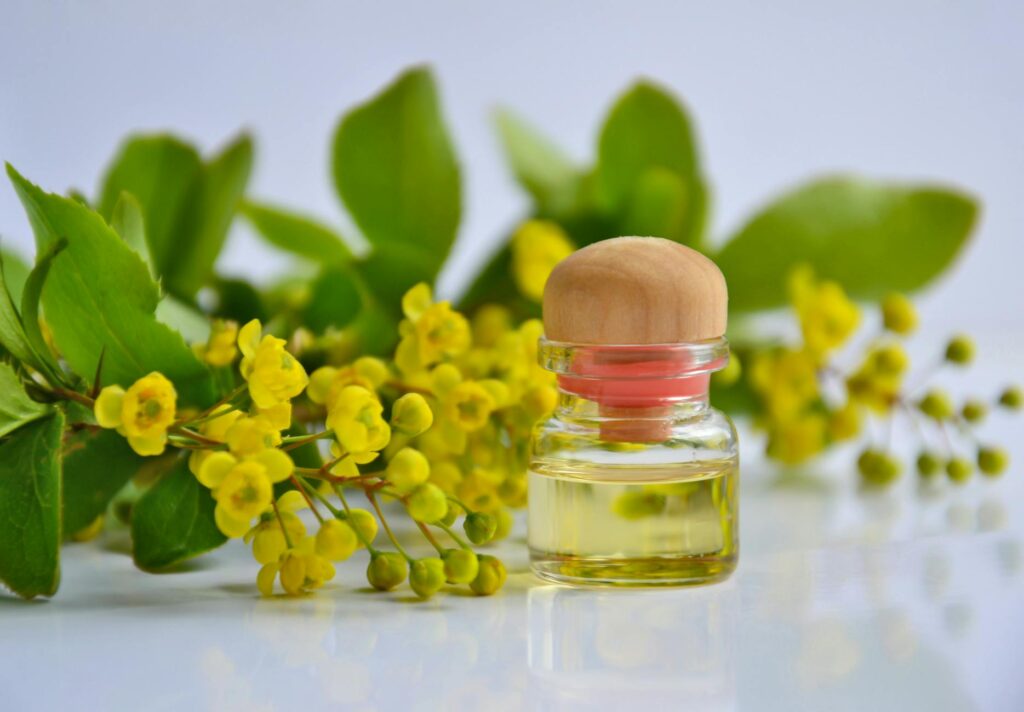
How to Use Herbal Infused Oils for Aromatherapy
Introduction
Aromatherapy has gained popularity as a holistic approach to enhancing well-being through the use of essential oils and herbal infused oils. These oils, derived from plants, can be utilized in various applications, promoting relaxation, invigorating the senses, and supporting emotional balance. Among the many tools available in the realm of aromatherapy, herbal infused oils stand out for their rich composition and multifaceted benefits. This article explores what herbal infused oils are, their benefits and properties, common uses, and safety considerations.
What Are Herbal Infused Oils for Aromatherapy?
Herbal infused oils are created by steeping plant materials—such as herbs, flowers, and leaves—in a carrier oil. This process allows the beneficial properties of the plant to be extracted and incorporated into the oil. Common carrier oils include olive oil, jojoba oil, and sweet almond oil. The infusion process can take anywhere from a few days to several weeks, depending on the method used and the desired potency.
The primary purpose of herbal infused oils in aromatherapy is to harness the aromatic compounds of the plants, which can have various effects on the mind and body. These oils can be used on their own or blended with essential oils for enhanced effects.
Key Benefits and Properties
Herbal infused oils offer a range of benefits and properties, making them valuable in the practice of aromatherapy. Some of the key benefits include:
1. Aromatic Qualities: The scent of herbal infused oils can evoke emotions and memories, providing a sensory experience that can enhance mood and promote relaxation.
2. Therapeutic Properties: Many herbs possess properties that can support physical and emotional health. For example, lavender is often associated with calming effects, while peppermint can be invigorating.
3. Skin Nourishment: Herbal infused oils can be beneficial for the skin, providing hydration and nourishment. They can also help soothe irritated skin, depending on the herbs used.
4. Versatility: These oils can be employed in a variety of applications, from massage and bath treatments to DIY beauty products.
5. Natural Ingredients: Using herbal infused oils allows individuals to harness the power of nature, avoiding synthetic fragrances and chemicals.
Common Uses
Herbal infused oils can be utilized in numerous ways in both personal care and aromatherapy practices. Some common uses include:
1. Massage Oil: When blended with other essential oils, herbal infused oils can serve as an effective massage medium, providing both relaxation and nourishment to the skin.
2. Bath Oils: Adding herbal infused oils to bath water can create a soothing and aromatic experience, promoting relaxation and stress relief.
3. Skin Care: These oils can be incorporated into lotions, balms, and creams for their moisturizing and soothing properties.
4. Hair Care: Herbal infused oils can be applied to the hair and scalp for nourishment and to promote healthy hair.
5. Diffusion: While not as concentrated as essential oils, some herbal infused oils can be used in diffusers to create a pleasant atmosphere.
Aromatherapy Applications
The application of herbal infused oils in aromatherapy can be versatile. Here are several methods for using these oils:
1. Topical Application
Herbal infused oils can be applied directly to the skin. It is advisable to perform a patch test on a small area of skin first to check for any adverse reactions. They can also be mixed with essential oils for enhanced benefits.
2. Diffusion
While herbal infused oils may not be as potent as essential oils, they can still be used in diffusers. When diffused, they release their aromatic properties into the air, creating a calming atmosphere. It is recommended to use them in moderation, as their scent may not be as strong.
3. Bathing
Adding a few drops of herbal infused oil to warm bath water can transform a regular bath into a therapeutic experience. The heat from the water helps to release the aromatic qualities of the oil, enhancing relaxation.
4. Inhalation
Inhaling the scent directly from the bottle or placing a few drops on a cotton ball can provide immediate aromatic benefits. This method can be especially useful for promoting mental clarity or relaxation.
5. DIY Products
Herbal infused oils can be incorporated into a variety of DIY products, such as lotions, balms, and scrubs. Their natural properties can enhance the overall quality of these items.
Safety Considerations
While herbal infused oils are generally considered safe for use, a few safety considerations are important to note:
1. Patch Testing: Before applying an infused oil to larger areas of the skin, conduct a patch test to ensure no allergic reactions occur.
2. Dilution: If using herbal infused oils on the skin, it is recommended to dilute them with a carrier oil to minimize the risk of irritation.
3. Quality of Ingredients: Use high-quality, organic herbs and carrier oils to ensure the best possible outcome and to avoid introducing harmful chemicals.
4. Avoid Contact with Eyes: Like essential oils, herbal infused oils should not come into direct contact with the eyes or mucous membranes.
5. Consultation for Special Conditions: Individuals who are pregnant, nursing, or have specific health conditions should consult a healthcare professional before using herbal infused oils.
Storage and Shelf Life
Proper storage is crucial to maintaining the quality and effectiveness of herbal infused oils. Here are some guidelines for storage:
1. Dark Glass Bottles: Store herbal infused oils in dark glass bottles to protect them from light exposure, which can degrade the oil.
2. Cool, Dark Place: Keep the oils in a cool, dark area, such as a cabinet or pantry, to prolong their shelf life.
3. Labeling: Clearly label the bottles with the date of infusion and the type of oil to prevent confusion.
4. Shelf Life: The shelf life of herbal infused oils can vary depending on the type of carrier oil used and the herbs infused. Generally, they can last from 6 months to 2 years if stored properly. Regularly check for any off smells or changes in appearance.
Frequently Asked Questions
1. Can I use any herb for infusion?
While many herbs can be used, it is advisable to research their properties and ensure they are safe for use. Common herbs for infusion include lavender, chamomile, and calendula.
2. How long should I infuse the herbs?
The infusion time can vary. Cold infusions may take several weeks, while warm infusions can be ready in a few days. The longer the infusion, the more potent the oil will become.
3. Can I use herbal infused oils for cooking?
Herbal infused oils intended for aromatherapy may not be suitable for culinary use, as they may contain compounds not meant for ingestion. Always use oils specifically labeled for cooking.
4. Are there any specific herbs to avoid?
Some herbs may cause adverse reactions or are not recommended for certain populations. It’s best to do thorough research or consult with an expert when selecting herbs for infusion.
5. Can I mix different herbal infused oils?
Yes, blending different herbal infused oils can create unique scents and benefits. Experimenting with combinations can lead to personalized aromatic experiences.
Conclusion
Herbal infused oils provide a rich and versatile addition to the world of aromatherapy. With their diverse applications and potential benefits, they offer an opportunity to connect with nature on a deeper level. Whether used in massage, skincare, or diffusion, these oils can enhance well-being and create a soothing atmosphere. By understanding their properties, applications, and safety considerations, individuals can effectively incorporate herbal infused oils into their holistic wellness practices.