
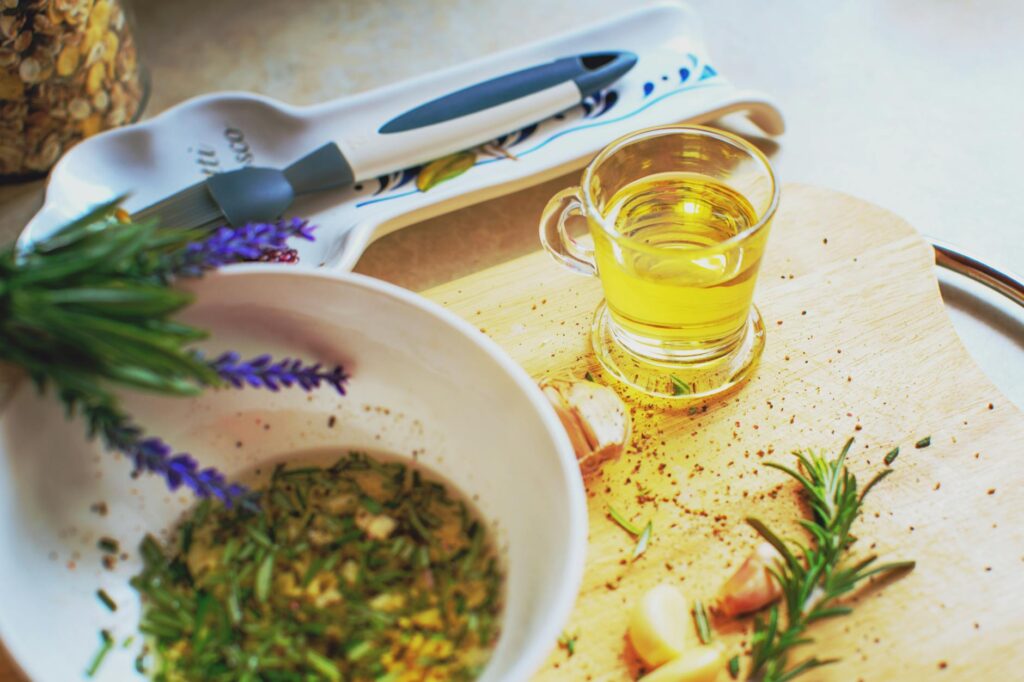
How to Use Herbal Infused Oils for Cooking
Introduction
Herbal infused oils have gained popularity in culinary practices due to their rich flavors and potential health benefits. These oils are created by steeping herbs in a carrier oil, allowing the oil to extract the aromatic compounds, flavors, and properties of the herbs. This article explores the essence of herbal infused oils for cooking, their benefits, applications, and safety considerations, providing a comprehensive guide for culinary enthusiasts and home cooks.
What Is Herbal Infused Oils for Cooking?
Herbal infused oils are oils that have been enhanced with the flavors, aromas, and beneficial properties of various herbs. The infusion process involves submerging fresh or dried herbs in a carrier oil, such as olive oil, sunflower oil, or avocado oil, and allowing the mixture to sit for a specified period. This infusion can be done through a cold or warm method:
- Cold Infusion: The herbs are combined with the oil and allowed to steep at room temperature for several weeks. This method preserves the delicate flavors and aromas of the herbs.
- Warm Infusion: The herbs and oil are gently heated together, typically using a double boiler. This method speeds up the infusion process but requires careful temperature control to prevent damaging the herbs.
- Salad Dressings: Use infused oils as a base for vinaigrettes. Combining basil or oregano-infused oil with vinegar creates a flavorful dressing.
- Marinades: Enhance the flavor of meats, vegetables, or tofu by incorporating infused oils into marinades. Rosemary or thyme-infused oil can add depth to grilled dishes.
- Finishing Oils: Drizzle infused oils over finished dishes like roasted vegetables, pasta, or pizza to add a burst of flavor.
- Baking: Substitute infused oils for plain oils in baking recipes to impart subtle herbal notes to breads and pastries.
- Dipping Oils: Serve infused oils with bread for a unique dipping experience. Garlic and chili-infused oils can provide an exciting twist.
The resulting oil can be used in a variety of culinary applications, enhancing dishes with the unique flavors of the herbs used.
Key Benefits and Properties
Herbal infused oils offer a multitude of benefits, both in cooking and beyond:
1. Flavor Enhancement: Infused oils provide a depth of flavor that can elevate simple dishes. For instance, basil-infused olive oil adds a fresh, aromatic touch to salads and pasta.
2. Culinary Versatility: These oils can be used for sautéing, drizzling, dressing, or marinating, making them a versatile ingredient in the kitchen.
3. Potential Health Properties: While not a substitute for medical treatment, many herbs possess properties that are valued in culinary traditions. For example, garlic is often praised for its flavor as well as its antioxidant properties.
4. Customization: Home cooks can create personalized blends tailored to their taste preferences, experimenting with different herbs and oils to find the perfect combination.
5. Natural Preservation: Infused oils can have a longer shelf life than fresh herbs, allowing cooks to enjoy the flavors of their favorite herbs year-round.
Common Uses
Herbal infused oils can be employed in numerous culinary applications:
Aromatherapy Applications
While primarily used in cooking, herbal infused oils can also serve aromatic purposes. The essential oils from herbs can impart delightful scents that enhance the ambiance of a space. However, it is essential to note that not all culinary infused oils are suitable for aromatherapy. For those interested in incorporating the aromatic aspects of herbal oils into their homes, consider the following:
1. Aromatherapy Diffusion: Some infused oils can be combined with a diffuser to release their aromatic compounds into the air, promoting a pleasant atmosphere.
2. Massage Oils: Certain herbal infused oils can be used for massage, offering both aromatic and potential skin benefits. However, it is crucial to ensure they are safe for topical use.
3. Potpourri and Sachets: Infused oils can be added to potpourri mixes or used in sachets to provide a subtle, lingering aroma in closets or drawers.
Safety Considerations
When using herbal infused oils for cooking, it is essential to adhere to safety guidelines:
1. Quality of Ingredients: Use high-quality, food-grade carrier oils and fresh or dried herbs. Avoid using oils that have additives or preservatives that may affect flavor or safety.
2. Infusion Process: Ensure that the infusion process is done correctly to prevent spoilage. If using the warm method, avoid overheating the oil, as high temperatures can damage the herbs and create unwanted flavors.
3. Storage: Store infused oils in clean, dark glass containers to protect them from light and air. This minimizes the risk of oxidation and spoilage.
4. Check for Spoilage: Before using infused oils, check for off odors or discoloration. If the oil exhibits any unusual characteristics, it is best to discard it.
5. Allergies and Sensitivities: Individuals should be aware of any allergies or sensitivities to specific herbs and oils. Always conduct a patch test if using infused oils for topical applications.
Storage and Shelf Life
Proper storage is essential to maximize the shelf life of herbal infused oils. Here are some key points to consider:
1. Container: Use dark glass bottles or jars to protect the oil from light, which can degrade its quality. Ensure the container is clean and free from contaminants.
2. Temperature: Store infused oils in a cool, dark place, such as a pantry or cupboard. Avoid exposure to heat sources, which can hasten rancidity.
3. Shelf Life: The shelf life of herbal infused oils varies based on the type of carrier oil and herbs used. Generally, infused oils can last between 3 to 12 months, depending on the specific ingredients and storage conditions. Monitor the oil for any signs of spoilage.
4. Labeling: Consider labeling your infused oils with the date of preparation and the type of herbs used. This practice helps track freshness and usage.
Frequently Asked Questions
What herbs are best for infusing oils?
Common herbs for infusing oils include basil, rosemary, thyme, garlic, and chili peppers. However, the choice of herbs can be tailored to personal preferences and culinary needs.
Can I use fresh herbs for infusing oils?
Yes, fresh herbs can be used; however, it is essential to dry them slightly to reduce moisture content, which can lead to spoilage.
How long does the infusion process take?
The infusion process can take anywhere from a few days to several weeks, depending on the method used and personal flavor preferences.
Can I use herbal infused oils for frying?
While it is possible to use herbal infused oils for frying, it is advisable to use oils with a high smoke point for deep frying to prevent the degradation of flavors.
Are herbal infused oils safe for consumption?
Yes, as long as they are made with food-grade ingredients and stored properly, herbal infused oils are safe for consumption.
Can I reuse the herbs after infusion?
Once herbs have been infused into oil, their flavor and aroma will be diminished. It is generally recommended to discard the herbs after infusion.
How can I enhance the flavor of my cooking with infused oils?
Start by drizzling infused oils over finished dishes, using them in marinades, or incorporating them into salad dressings to enhance the overall flavor profile of your meals.
Conclusion
Herbal infused oils are a delightful addition to any kitchen, offering unique flavors and versatility across various culinary applications. With proper preparation and storage, these oils can enrich dishes and elevate the dining experience. By understanding the benefits, uses, and safety considerations of herbal infused oils, culinary enthusiasts can explore a world of flavors and creativity in their cooking.